
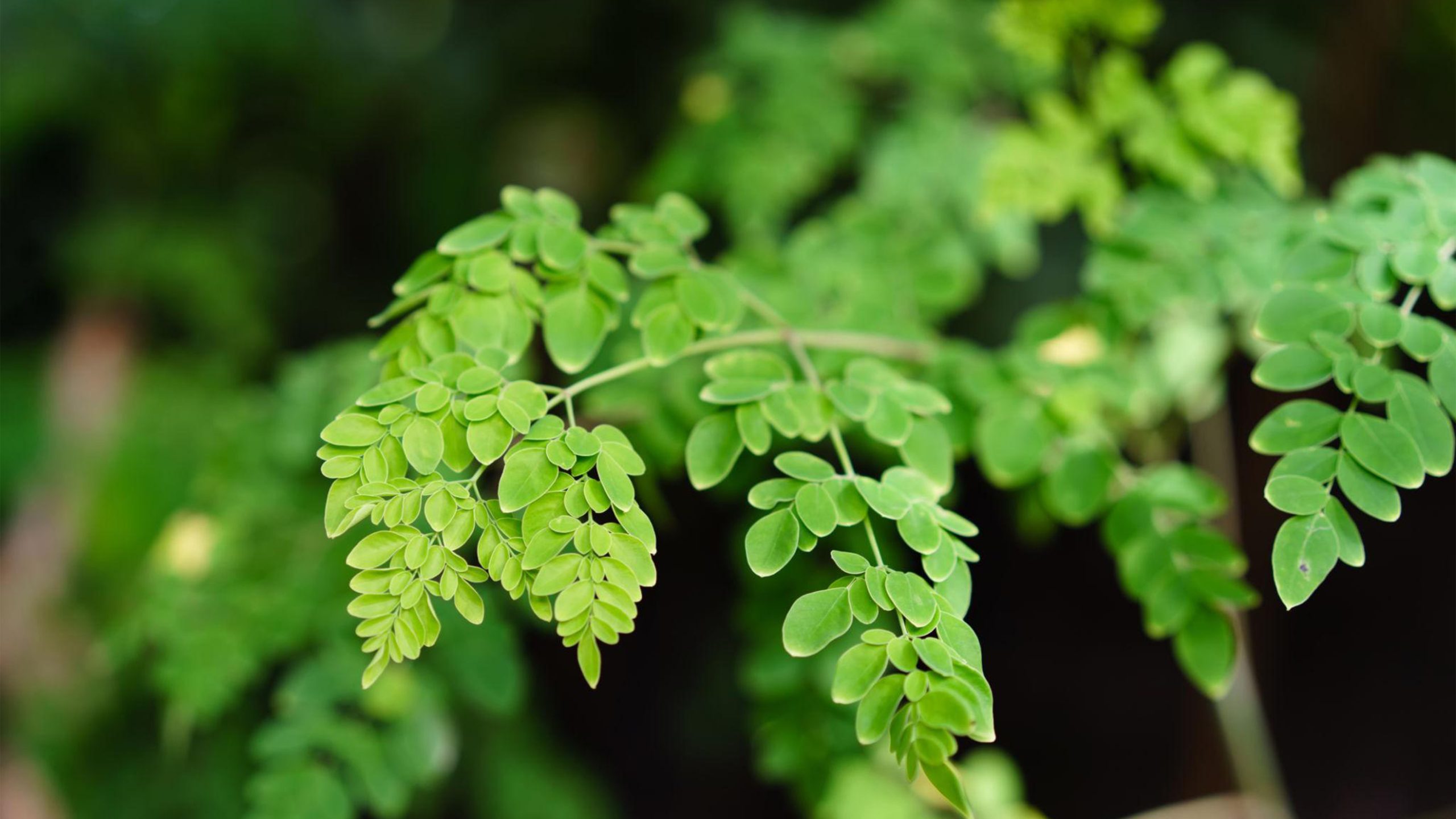
Malunggay benefits go beyond its role as a familiar ingredient in Filipino dishes. Rich in essential nutrients and capable of growing in relatively dry conditions, malunggay is gaining attention as a practical source of nutrition for households preparing for the effects of El Niño. As concerns about water shortages and food security grow in the Philippines, this locally available vegetable offers an affordable addition to balanced meals and backyard gardens.
According to the Department of Science and Technology–Philippine Atmospheric, Geophysical and Astronomical Services Administration (DOST-PAGASA), a Very Strong El Niño is currently present in the tropical Pacific and is expected to persist through the first half of 2027. The phenomenon increases the likelihood of below-normal rainfall, dry spells, and drought in several parts of the country.
While malunggay cannot prevent the effects of El Niño, its nutritional benefits and drought tolerance make it a useful plant for household food preparedness.
Why Malunggay Is a Nutritious Choice
Malunggay (Moringa oleifera) is widely grown in the Philippines and commonly added to dishes such as chicken tinola, monggo, and vegetable soups.
Its leaves contain important nutrients, including beta-carotene, vitamin C, calcium, iron, and dietary fiber. These nutrients contribute to normal immune function, healthy bones, blood production, and digestive health.
According to the Philippine Food Composition Table maintained by DOST-FNRI, 100 grams of boiled malunggay leaves provide approximately 63 calories, 3.1 grams of protein, and 53 milligrams of vitamin C.
Including malunggay in everyday meals can help families improve their nutritional intake without relying entirely on expensive supplements.
Why Malunggay Matters During El Niño
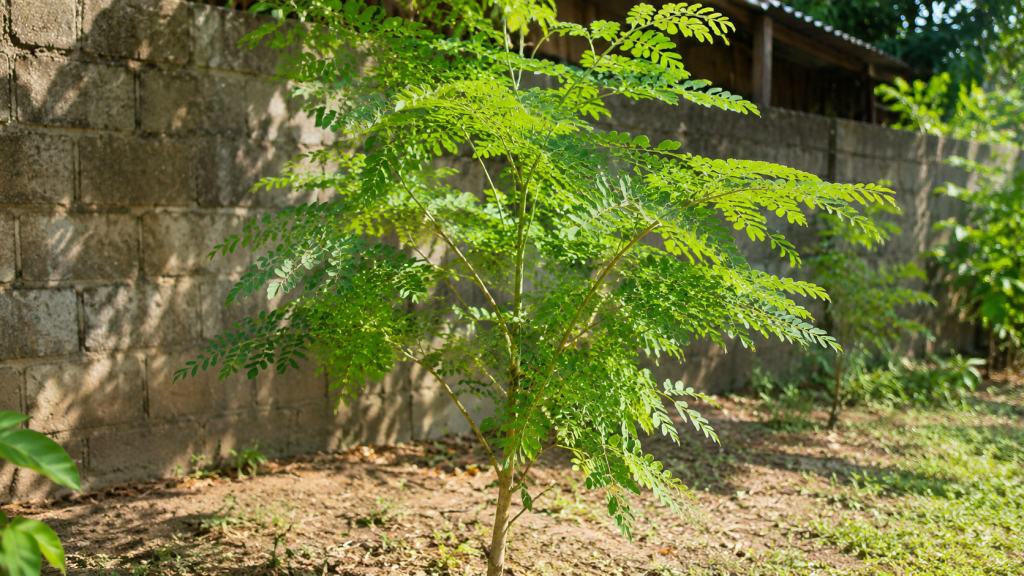
One notable characteristic of malunggay is its ability to survive in relatively dry environments.
Research documented by FAO Feedipedia indicates that the plant can survive in areas receiving as little as 400 millimeters of annual rainfall. However, its foliage production decreases under these conditions.
This makes malunggay a potentially useful option for backyard gardening, particularly in communities experiencing water shortages.
Families can grow malunggay in suitable soil with good drainage and access to sunlight. Young plants still require adequate watering to establish healthy roots, while established trees need proper care during prolonged dry periods.
How Families Can Include Malunggay in Their Diet
Fresh malunggay leaves can be incorporated into affordable Filipino meals. Families can add them to tinola, monggo, vegetable soup, and omelets.
Growing malunggay at home may also provide a convenient source of fresh vegetables, although successful production depends on water availability, soil conditions, and proper maintenance.
What Science Says About Its Health Benefits
Malunggay contains naturally occurring antioxidants and nutrients that contribute to normal body functions. Researchers are also studying its potential effects on blood sugar, cholesterol, and other health indicators.
However, current human research does not establish malunggay as a treatment or cure for diabetes, hypertension, or other diseases. It should be considered part of a balanced diet rather than a replacement for prescribed medication.
A Practical Plant for Filipino Households
As El Niño raises concerns about water availability and food security, locally available vegetables deserve greater attention.
Malunggay is not a solution to drought or food shortages, but its nutritional value, affordability, and ability to tolerate dry conditions make it a practical addition to household gardens and everyday Filipino meals.
For families preparing for warmer and potentially drier months, growing nutritious local plants can be one small but meaningful step toward better food preparedness.

 Facebook
 Twitter