
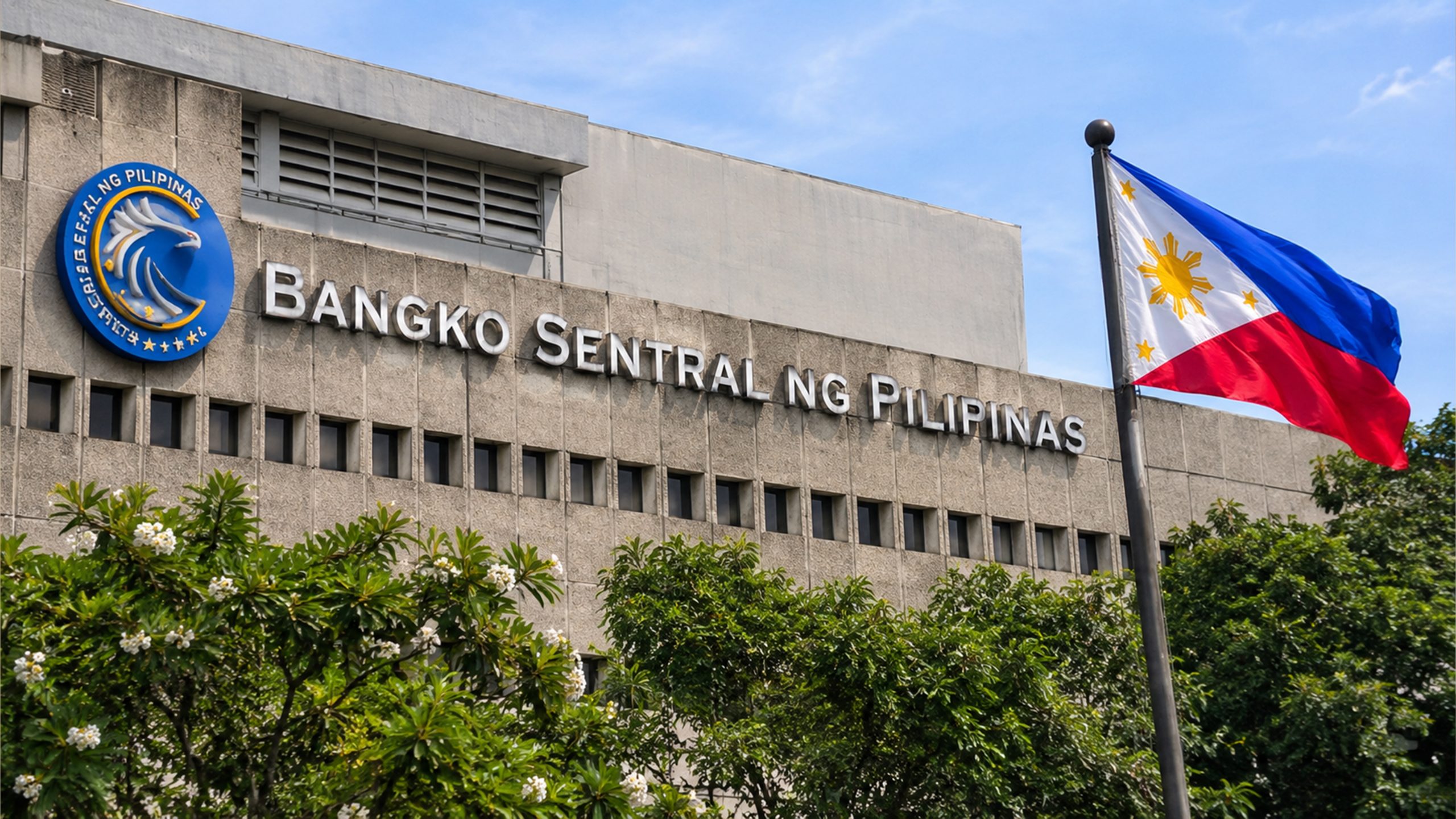
BSP ₱1 million cash withdrawal rules are temporarily changing as the Bangko Sentral ng Pilipinas (BSP) suspends the automatic enhanced due diligence requirement for large cash transactions. Effective November 13, 2026, the measure allows banks to process legitimate high-value withdrawals with fewer automatic verification requirements until January 31, 2027, ahead of the expected increase in cash demand during the holiday season.
The suspension took effect on November 13, 2026, and will remain in place until January 31, 2027, following the approval of the Monetary Board on November 12.
Under BSP Memorandum No. M-2026-050, the central bank temporarily lifted the automatic enhanced due diligence (EDD) threshold for large-value cash transactions. The measure is intended to facilitate legitimate financial transactions and address the expected increase in public demand for cash during the Christmas and New Year period.
The development is particularly relevant to individuals and businesses that regularly handle large cash payments, including payroll disbursements, business expenses and other legitimate financial transactions.
What the Suspension Means for Bank Customers
The temporary suspension means that cash withdrawals exceeding ₱1 million will no longer automatically trigger the specific enhanced due diligence requirement previously imposed under the BSP’s large-value cash transaction rules.
Before the suspension, BSP Circular No. 1230 required banks and other BSP-supervised financial institutions to conduct enhanced due diligence on large cash payouts exceeding ₱1 million. The threshold could be reached through a single transaction or multiple transactions within one banking day.
Enhanced due diligence involves additional checks to establish the legitimacy of transactions and assess potential money laundering and other financial crime risks.
With the temporary suspension, customers may experience fewer automatic verification requirements when making legitimate large cash transactions.
However, this does not mean that banks must approve every large withdrawal without questions or additional checks.
Banks Must Still Monitor Suspicious Transactions
Despite the temporary relief, the BSP emphasized that financial institutions must continue complying with existing anti-money laundering, counterterrorism financing and counter-proliferation financing regulations.
Banks are still required to conduct customer due diligence and apply enhanced verification whenever a transaction presents unusual activity, significant changes in a customer’s financial profile or other suspicious indicators.
They must also maintain effective transaction monitoring systems and submit suspicious transaction reports whenever required under existing regulations.
The central bank has directed financial institutions to remain vigilant while ensuring that legitimate transactions are not unnecessarily delayed.
This means a customer making a large withdrawal may still be asked to provide additional information or supporting documents if the bank identifies potential risks or unusual transaction patterns.
Is ₱1 Million the Maximum Amount You Can Withdraw?
No. The ₱1-million threshold was not an absolute limit on how much money a customer could withdraw from a bank.
It served as a trigger for enhanced due diligence under the previous regulations.
Customers could still make legitimate withdrawals exceeding ₱1 million, provided they satisfied the applicable verification requirements.
The temporary suspension removes that automatic threshold for the specified period, but individual banks may continue implementing their own internal cash transaction limits based on their risk assessments and customers’ financial profiles.
Customers planning to withdraw substantial amounts should still coordinate with their respective banks to confirm branch cash availability and any applicable requirements.
Why the BSP Suspended the Requirement
The BSP’s decision comes ahead of the holiday season, when economic activity and demand for physical cash are expected to increase.
Businesses may need larger amounts of cash for payroll, employee bonuses, supplier payments and other operational expenses. Individuals may also require additional cash for holiday spending and other personal transactions.
The central bank said the temporary suspension aims to facilitate legitimate transactions and support the public’s cash requirements during this period.
The move follows earlier adjustments to the country’s large-value cash transaction regulations after consultations with banks and industry groups.
Background: How the ₱1-Million Threshold Was Introduced
The BSP introduced enhanced safeguards for large-value cash transactions through Circular No. 1218, issued on September 18, 2025. The original rules established a ₱500,000 threshold for enhanced due diligence.
In February 2026, the central bank recalibrated the requirement through Circular No. 1230, raising the EDD trigger threshold to ₱1 million.
The adjustment considered legitimate business transactions that frequently exceeded the original threshold, including payroll payments, loan releases and project-based disbursements.
The latest memorandum temporarily suspends the ₱1-million EDD threshold from November 13, 2026, through January 31, 2027.
After the suspension period, banks and other covered financial institutions will need to follow the applicable BSP regulations and subsequent guidance.
What Customers Should Remember
The temporary suspension provides additional flexibility for legitimate large cash transactions, particularly during the busy holiday season.
However, it does not remove the responsibility of banks to monitor financial activities and comply with anti-money laundering regulations.
Customers making large withdrawals should still expect banks to exercise appropriate checks whenever a transaction raises concerns or requires further verification.
For now, the BSP’s measure is intended to make legitimate cash transactions more convenient without weakening safeguards against financial crimes.

 Facebook
 Twitter