
Words and Photos by Henrylito D. Tacio
More than four decades ago, during the celebration of World Food Day, the Rome‑based United Nations Food and Agriculture Organization (FAO) issued a warning that has only grown more urgent with time. “We are losing biological diversity at an unprecedented rate,” the agency declared.
It was a sobering message then; today, it is a haunting reality.
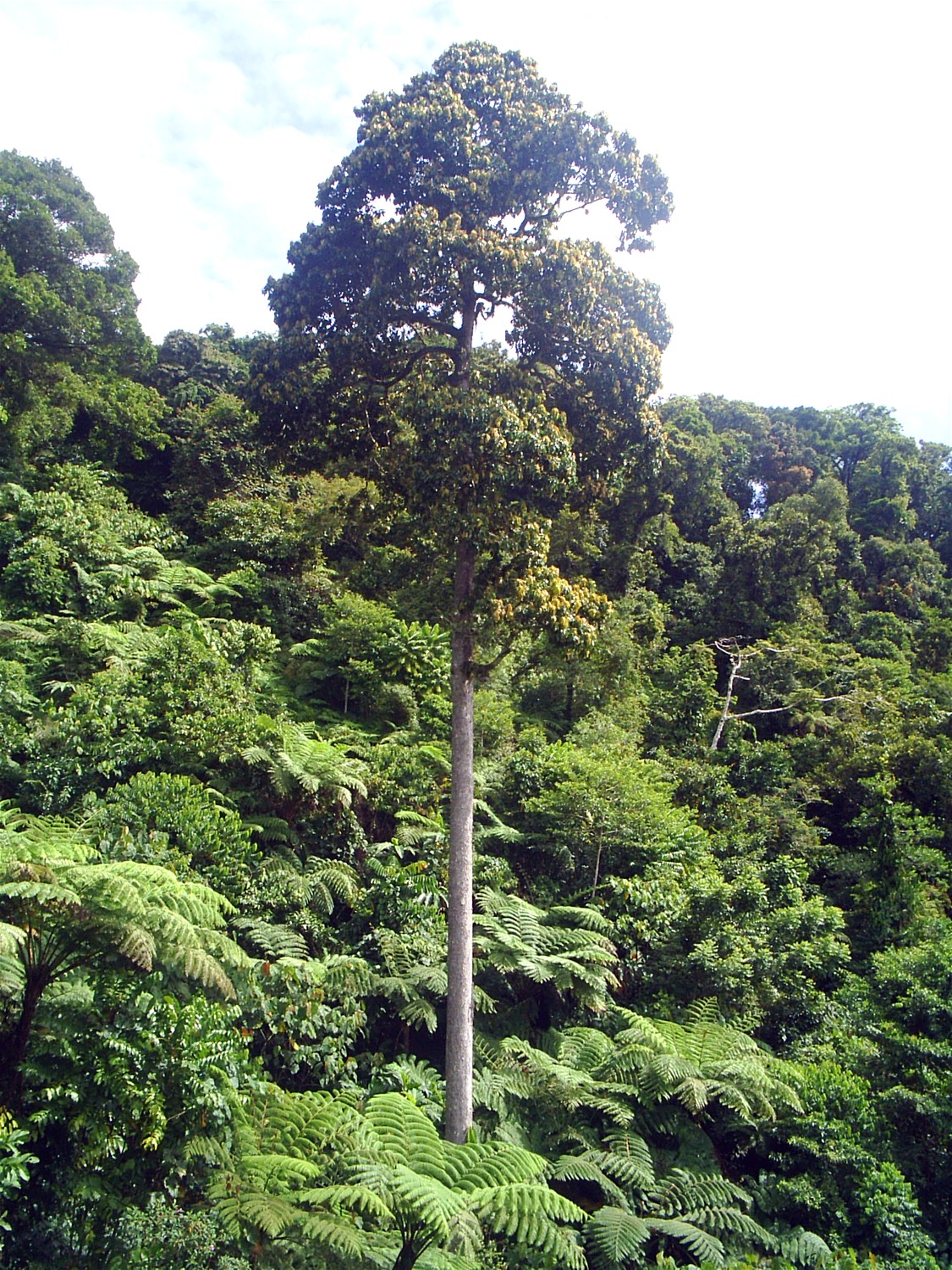
Biological diversity—more popularly known as biodiversity—is the full spectrum of life on Earth. It encompasses all species of plants and animals, the genetic material within them, and the ecosystems they form. Scientists often describe biodiversity as the planet’s living library: a vast collection of genes, species, and ecological interactions that sustain life and support human survival.
The Value of Variety
Species diversity refers to the variety of species within a given area, while genetic diversity pertains to the variation of genes and genotypes between and within species. Genetic diversity is particularly crucial. It is the reservoir of traits that allow organisms to adapt to changing environments, shifting climates, evolving agricultural practices, and emerging pests and diseases.
“Diversity within a species gives the ability to adapt to change,” the FAO explains. Without this diversity, species become vulnerable—and so do the humans who depend on them.
In food production, biodiversity is the foundation of innovation. High‑yielding rice varieties developed at the International Rice Research Institute (IRRI) are the result of crossing a Chinese dwarf strain with a tall, traditional Indonesian plant. Asian cattle have been crossed with European dairy breeds to improve milk and meat output. Every improvement in agriculture is anchored on the availability of diverse genetic material.
The same is true in medicine. Two of the world’s most important anti‑cancer drugs come from the rosy periwinkle found in Asia’s tropical rainforests. Taxol, a breakthrough drug for breast and ovarian cancer, was first discovered in the western yew.
Artemesin, the only medicine effective against all strains of malaria‑causing Plasmodium, is extracted from Artemisia annua, a natural wormwood. A compound from the African vine Ancistroladus koropensis shows remarkable anti‑HIV activity. Even the toxin of the puffer fish is used in nervous system research.
These examples represent only a tiny fraction of biodiversity’s contributions to human well‑being. Thousands more remain undiscovered—or worse, are disappearing before scientists can even identify them.
A Crisis of Extinction
The scale of biodiversity loss is staggering. The New York Times once reported that one of the world’s 5–10 million species becomes extinct each day. Today, scientists estimate that the world is losing one species every hour.
Dr. Peter Raven, director of the Missouri Botanical Gardens, warns: “Of all the global problems that confront us, species extinction is the one that is moving the most rapidly and the one that will have the most serious consequences.” Unlike other environmental crises, extinction is irreversible. As the Worldwatch Institute bluntly puts it: “Extinction is forever.”
A Mega‑Diverse Nation Under Threat
The Philippines, with its more than 7,000 islands, is one of the world’s recognized mega‑diversity countries. The Biodiversity Management Bureau (BMB) describes the archipelago as “rivaled only by a few countries when it comes to variety of ecosystems, species, and genetic resources.”
The country hosts more than 52,000 described species, over half of which are found nowhere else. “On a per unit area basis,” the BMB notes, “the Philippines probably harbors more diversity of life than any other country on the planet.”
The Department of Environment and Natural Resources (DENR) paints a vivid picture of this richness:
· Forests: At least 13,500 plant species—5% of the world’s flora—are found in Philippine forests. Twenty‑five plant genera are endemic, and about 10% of the flora remains unidentified.
· Terrestrial vertebrates: Of the 1,085 species recorded, 45% are endemic. These include 179 mammals, 558 birds, 252 reptiles, and 96 amphibians.
· Wetlands: These ecosystems harbor 1,616 species of flora and 3,308 species of fauna.
· Coastal and marine habitats: Some 4,951 species thrive here, including 3,967 species in coral reefs, 481 in seagrass beds, and 370 in mangroves.
Nearly three decades ago, Time magazine named the Philippines one of the world’s top 25 biodiversity hot spots—areas rich in unique species but severely threatened by human activity.
“At the rate our ecosystems are getting destroyed, many species may no longer be there when we need them,” lamented Samuel Peñafiel, then director of the Protected Area and Wildlife Bureau, the precursor of BMB.
The Forests That Vanished
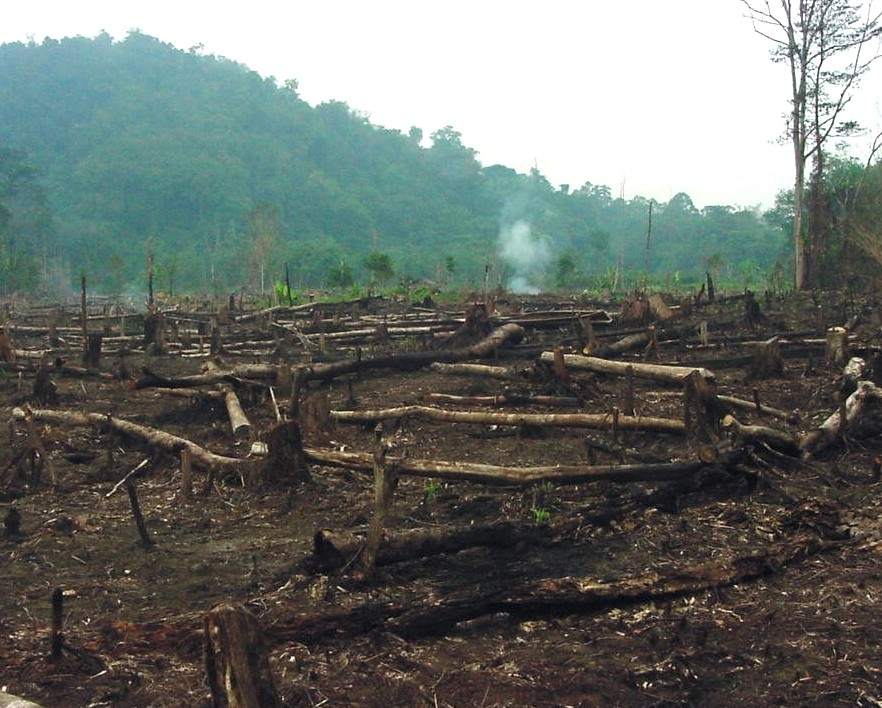
Deforestation remains the single biggest driver of biodiversity loss in the Philippines. When Ferdinand Magellan arrived in 1521, the archipelago was blanketed in forests. By the 1950s, forest cover had shrunk to three‑fourths of the country. By 1972, it was down to half. By 1988, only a quarter remained—and only a tiny fraction of that was virgin forest.
The causes are familiar: destructive logging (legal and illegal), fires, slash‑and‑burn farming, mining, volcanic eruptions, and pests and diseases. The Foundation of Philippine Environment (FPE) warns that “deforestation is a leading cause of habitat destruction that negatively impacts biodiversity on an exponential scale.”
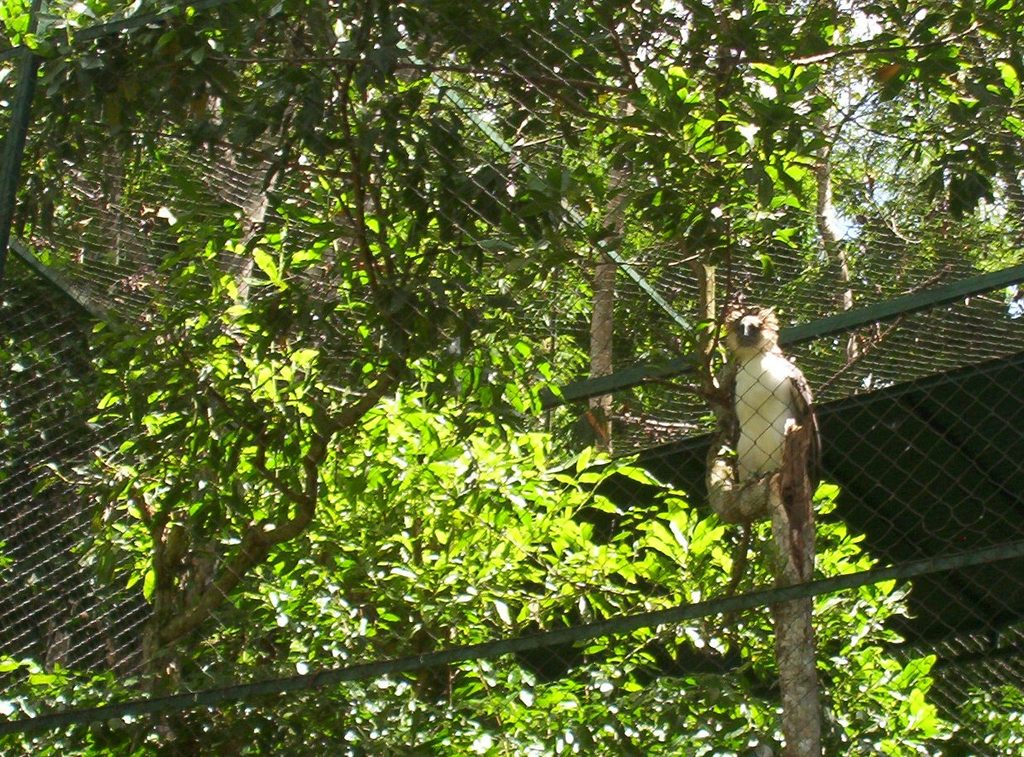
The Philippine eagle is a tragic example. “The Philippine eagle has become critically endangered because the loss of the forest had made it lose its natural habitat,” explains Dennis Joseph Salvador of the Philippine Eagle Foundation.
A pair of eagles needs at least 7,000 to 13,000 hectares of forest as nesting territory. Without forests, the species cannot survive.
The Trade That Kills
Another major threat is wildlife trade. Philippine monkeys are prized abroad for chemical and biomedical research. Thousands of birds are exported for pets or delicacies. Dugongs, once abundant, are hunted for their meat, which is said to taste like beef. Crocodiles are hunted for their hides, fueling a lucrative market for shoes, belts, and bags.
Overhunting nearly wiped out the tamaraw, the country’s largest endemic land mammal. From a population of 10,000 in the early 1900s, only around 345 remained by 2013.
Coral reefs have also suffered from illegal harvesting. Of the 1.5 million kilograms of corals traded globally each year, the Philippines accounts for more than a third. Coral smugglers supply markets in the United States, Japan, and other countries.
The Folly of Destructive Fishing
Filipino fishing practices have long contributed to the destruction of marine ecosystems. Dynamite fishing shatters coral reefs. Cyanide fishing poisons coral polyps, killing the very organisms that build reefs. “Coral polyps die when exposed to the chemical,” explains Dr. Rafael Guerrero, former director of the Philippine Council for Aquatic and Marine Research and Development.
Seagrasses are also declining due to siltation from agriculture and mining. Heavy sedimentation buries seagrass beds, reducing productivity and killing entire ecosystems.
Facing the Truth
“It is about time that we, Filipinos, stop making ourselves internationally blind to the real status of our wildlife resources,” wildlife expert Dioscoro Rabor once said. “We should face the fact that our country is no longer rich in forests and consequently, of wildlife which used to be a normal component of our forests.”
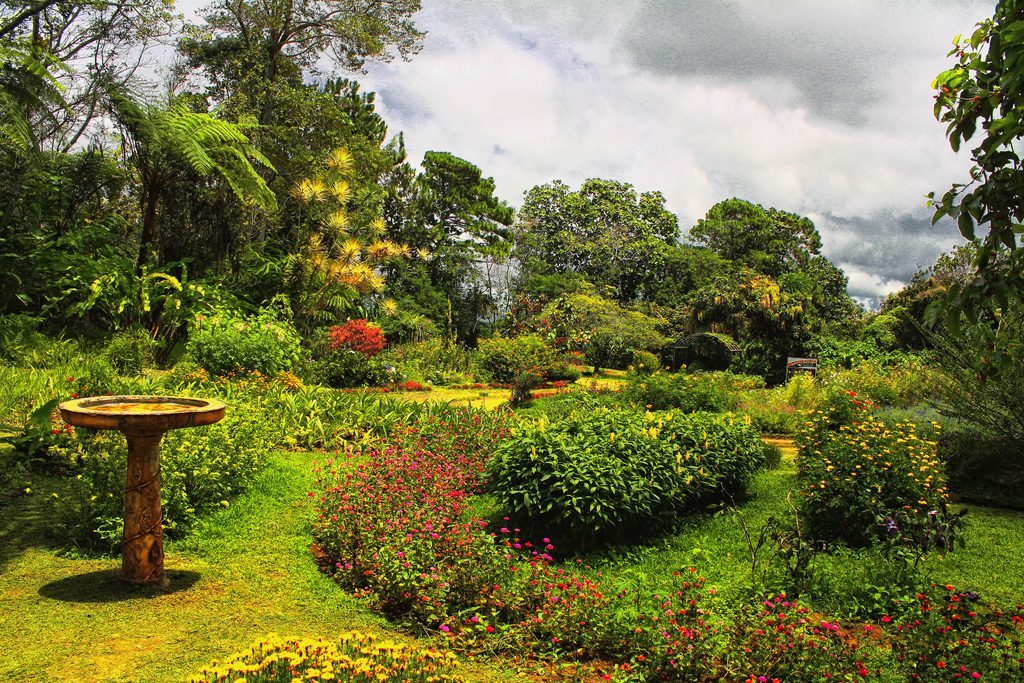
His words echoed louder today. The Philippines remains a nation of extraordinary biological wealth—but also extraordinary biological peril. The choices made now will determine whether future generations inherit a land of living wonders or a land of vanished memories.
The crisis is real. The consequences are irreversible.

 Facebook
 Twitter