
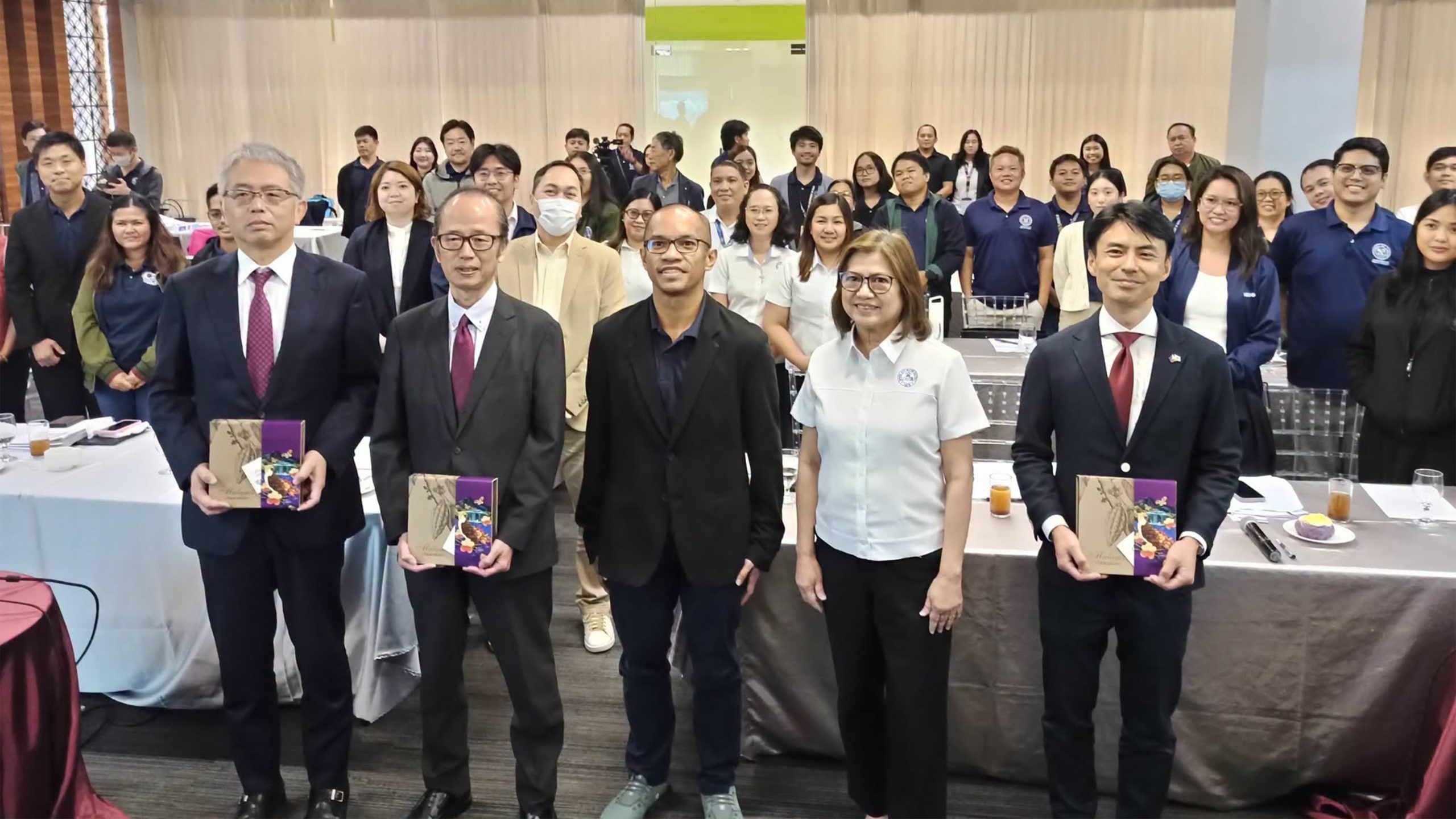
DAVAO CITY, Philippines – Davao City wastewater management efforts are moving forward as local officials and Japanese representatives review a comprehensive master plan designed to improve sanitation, strengthen wastewater treatment, and address water pollution. The latest discussions took place on November 19, 2026, during a project coordination meeting involving the Japan International Cooperation Agency (JICA) and other key stakeholders.
Deputy Consul General Hattori of the Consulate General of Japan in Davao attended the Third Joint Coordinating Committee (JCC) meeting and workshop for the Japan International Cooperation Agency (JICA)-supported project titled The Project for Master Plan Study for Comprehensive Wastewater Management in Davao City.
The meeting, held at the Arcadia Event Center in Davao City, brought together representatives from the Davao City Government, Davao City Water District (DCWD), and Kitakyushu City in Japan.
According to the Japanese Consulate, the gathering focused on reviewing the project’s progress and discussing the next steps toward completing the study.
Japan Supports Davao’s Wastewater Management Plans
The initiative aims to develop a comprehensive wastewater management master plan and conduct feasibility studies for potential projects that could improve sanitation and address water pollution in Davao City.
The project seeks to identify infrastructure and management improvements needed to address wastewater challenges associated with urban development and increasing demand for sanitation services.
JICA’s involvement provides technical assistance and expertise in developing long-term wastewater management strategies that can guide the city’s future infrastructure investments.
The master plan study is also expected to help identify priority projects and assess their feasibility before any major implementation decisions are made.
Project Started in 2023
The cooperation between Davao City and Japan began taking a formal step in September 2023, when the city government and JICA signed the Records of Discussion for the wastewater management master plan study.
The initiative was developed in response to concerns about water pollution and the need to strengthen wastewater management as Davao continues to grow.
Earlier assessments identified the need to improve existing wastewater management systems and determine the infrastructure requirements necessary to address the city’s sanitation challenges.
A September 2023 report by MindaNews also identified Poblacion and Agdao as priority areas covered by the initial feasibility study.
However, the broader master plan is intended to provide a more comprehensive approach to wastewater management across Davao City.
Kitakyushu Shares Environmental Expertise
Kitakyushu City, Japan, is also participating in the initiative, bringing experience in environmental management and sustainable urban development.
Kitakyushu became Davao City’s first environmental sister city in Japan, establishing a partnership focused on sharing knowledge and developing environmental solutions.
The Japanese city has a history of addressing industrial pollution and developing environmental technologies and management practices.
Its participation in the wastewater management project provides an opportunity for Davao to learn from Japan’s experience in addressing environmental challenges through technical cooperation and institutional development.
During the November 19 meeting, representatives from Kitakyushu shared insights into wastewater treatment, highlighting the continuing partnership between the two cities.
Davao Establishes Project Management Unit
The city government has also taken steps to strengthen its coordination of the initiative.
In November 2025, Davao City issued Executive Order No. 26, establishing a Project Management Unit (PMU) for the Master Plan Study for Comprehensive Wastewater Management.
The unit brings together several local government offices and agencies, including the City Engineer’s Office, City Environment and Natural Resources Office, City Health Office, City Planning and Development Office, and Davao City Water District.
The PMU is responsible for coordinating and monitoring the study, helping ensure that relevant government offices participate in the planning process.
The involvement of multiple agencies reflects the project’s broad scope, which covers engineering, environmental protection, public health, urban planning, and water management.
Potential Benefits for Davao Residents
A comprehensive wastewater management system could provide long-term environmental and public health benefits for Davao City.
Improved wastewater collection and treatment could help reduce the discharge of inadequately treated wastewater into rivers and other waterways.
It could also strengthen sanitation services, protect aquatic ecosystems, and support the city’s growing residential and commercial areas.
As urban development continues, having a long-term wastewater management strategy will be increasingly important in ensuring that infrastructure and sanitation services can meet future demand.
However, the November 19 meeting announcement did not specify the project’s total cost, proposed construction schedule, number of treatment facilities, or expected completion date.
These details will depend on the findings of the master plan study and subsequent government decisions.
Japan-Davao Partnership Moves Forward
The latest meeting highlights the continuing environmental cooperation between Davao City and Japan, particularly through JICA and its partnership with Kitakyushu City.
While the initiative remains focused on planning and feasibility studies, its eventual recommendations could help shape the city’s future wastewater infrastructure and environmental management policies.
For Davao residents, the project’s long-term significance will depend on how its findings are translated into actual infrastructure improvements, better sanitation services, and cleaner waterways.
The completion of the master plan will be an important step toward determining how Davao City can address its wastewater challenges as it continues to develop.
Sources: Consulate General of Japan in Davao; Japan International Cooperation Agency (JICA); City Government of Davao; MindaNews.

 Facebook
 Twitter