
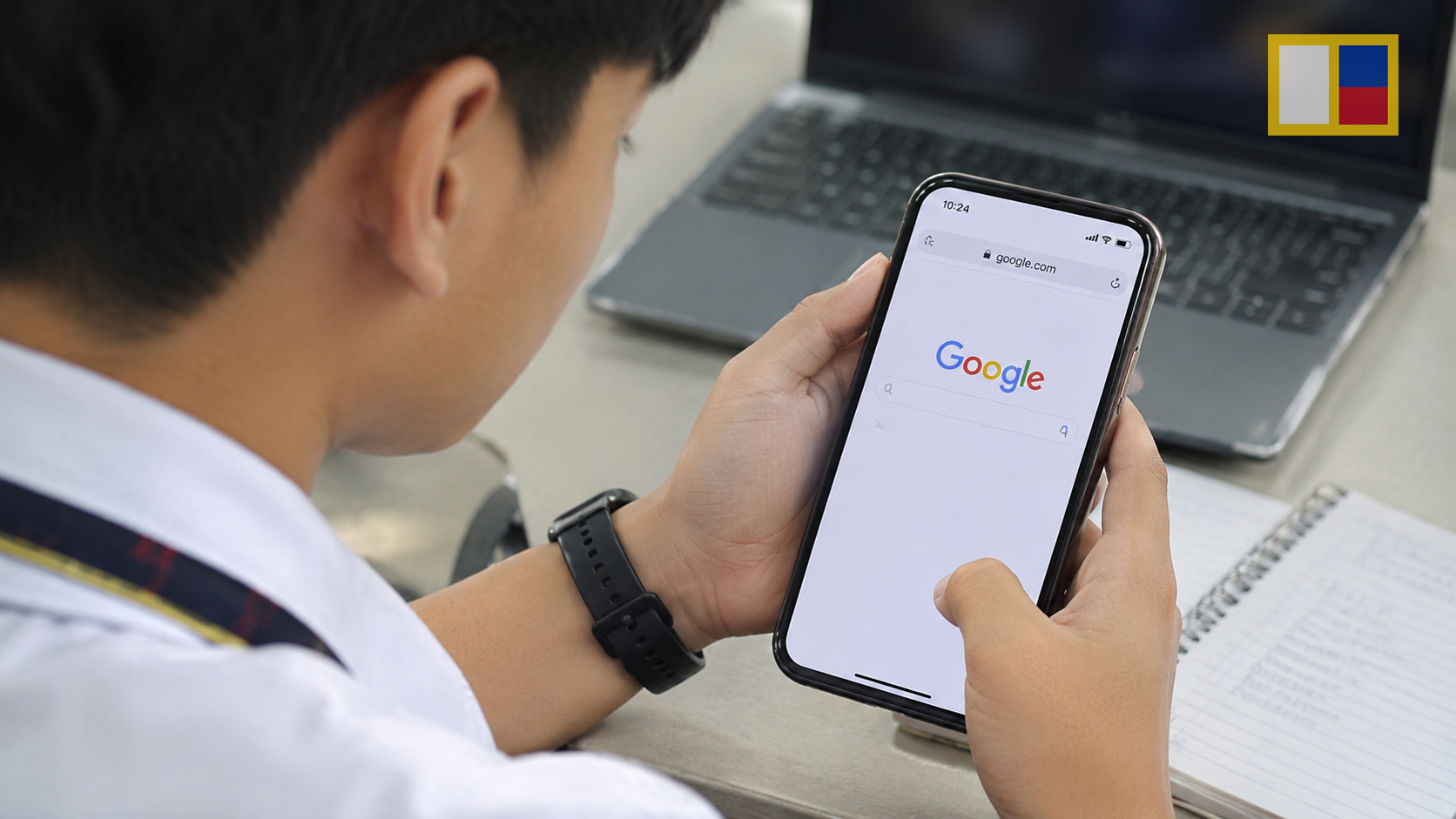
Google AI for students is becoming subject to tighter restrictions as Google changes access to its artificial intelligence tools on school-managed accounts. Under the new policy, several services will be disabled by default for K-12 students unless school administrators decide to activate them.
The announcement, made on November 3, 2026, follows growing criticism from educators, parents, researchers, and policymakers over the increasing use of artificial intelligence in schools.
Under the updated policy, access to Gemini, Gemini Notebook, Gemini in Classroom, and Google Search will be turned off by default for accounts managed by K-12 schools. Administrators will have to explicitly activate the services before students can use them.
Google said the changes are intended to give schools greater control over how AI technology is introduced into classrooms and ensure that digital tools support learning rather than replace students’ own thinking.
Google Gives Schools More Control Over AI Access
In an announcement published on its official blog, Google said it had listened to feedback from schools, teachers, researchers, and policymakers before updating its approach to educational technology.
Chris Phillips, Google’s vice president and general manager of Education, explained that school administrators should have the ability to decide how AI products are used in their institutions.
The updated controls will cover Gemini, Gemini Notebook, Gemini in Classroom, and Google Search.
Rather than automatically providing access, Google will require administrators to enable these services for their managed student accounts.
The company said it would share additional implementation details with schools in the coming months to allow institutions enough time to prepare for the transition.
Google Search Could Also Be Affected by the Decision
One of the most controversial aspects of the announcement involves Google Search.
Although the policy is intended to give schools more control over artificial intelligence, restricting AI access could also affect students who rely on Google’s search engine for research and school assignments.
Google has explained that its search service is increasingly integrated with artificial intelligence features, including AI Overviews and AI Mode.
This means schools that choose to block AI-powered Search access could also prevent students from using Google Search through their managed school accounts.
The situation has raised questions about whether schools should have to accept AI-generated features just to maintain access to a widely used information-search service.
Critics argue that students should be able to use traditional search tools without necessarily being exposed to AI-generated summaries and answers.
Google, however, maintains that its updated controls give administrators more flexibility in deciding which services students can access.
Growing Concerns Over AI Use Among Students
The policy change comes amid increasing debate about the effects of artificial intelligence on children’s education.
Teachers and parents have expressed concerns that students could become overly dependent on AI tools to complete homework, write essays, and solve academic problems.
Instead of learning how to research information, analyze arguments, and develop solutions independently, students may simply rely on AI-generated responses.
There are also concerns about the accuracy of AI-generated information and whether younger users can consistently identify incorrect or misleading answers.
In August 2026, Google’s expansion of Gemini access for younger students using Google Classroom attracted criticism from educators and other stakeholders.
The latest policy adjustment follows continued pressure for stronger safeguards and greater school oversight of AI technology.
Google Introduces Guided Learning for Students
Alongside the updated access controls, Google is also expanding its Guided Learning features to encourage students to understand concepts instead of simply receiving answers.
The company wants its AI tools to function more like learning assistants that help students work through problems step by step.
For example, a student asking Google Search for help with a complicated physics problem could receive prompts that explain the underlying concepts and encourage independent problem-solving.
Google said Guided Learning in Google Classroom is globally available, while its planned Search experience will initially be tested in selected US schools.
The approach is intended to make AI more useful in education by supporting teachers and helping students develop a deeper understanding of their lessons.
What the Changes Could Mean for Philippine Schools
Although Google’s announcement focuses on managed K-12 student accounts, the development could also be relevant to schools in the Philippines as educational institutions increasingly explore artificial intelligence.
Filipino students already use AI-powered tools for research, writing assistance, explanations, and other school-related activities.
However, the growing availability of these technologies also presents challenges for teachers who must ensure that students develop essential academic skills instead of relying entirely on automated answers.
Schools in the Philippines may eventually face similar decisions about whether to allow AI tools in classrooms, how to supervise their use, and what restrictions should apply to younger students.
Google’s announcement does not mean that all Filipino children will immediately lose access to Gemini or Google Search.
The policy specifically concerns school-managed K-12 accounts. Students using personal Google accounts are not automatically covered by the new administrative restrictions.
Google has yet to provide a specific worldwide implementation date for the changes.
Schools Face New Questions About the Role of AI in Education
Google’s decision highlights a growing challenge for the education sector as artificial intelligence becomes more integrated into everyday digital services.
While AI can help students understand difficult subjects and access information more efficiently, educators must also consider its potential effects on independent thinking, academic integrity, and learning development.
The debate is no longer simply about whether students should use artificial intelligence. Schools must also determine how these tools should be introduced without compromising the skills students are expected to develop.
For Google, the challenge will be balancing its push toward AI-powered education with the concerns of parents, teachers, and school administrators who want greater control over how children learn.

 Facebook
 Twitter