
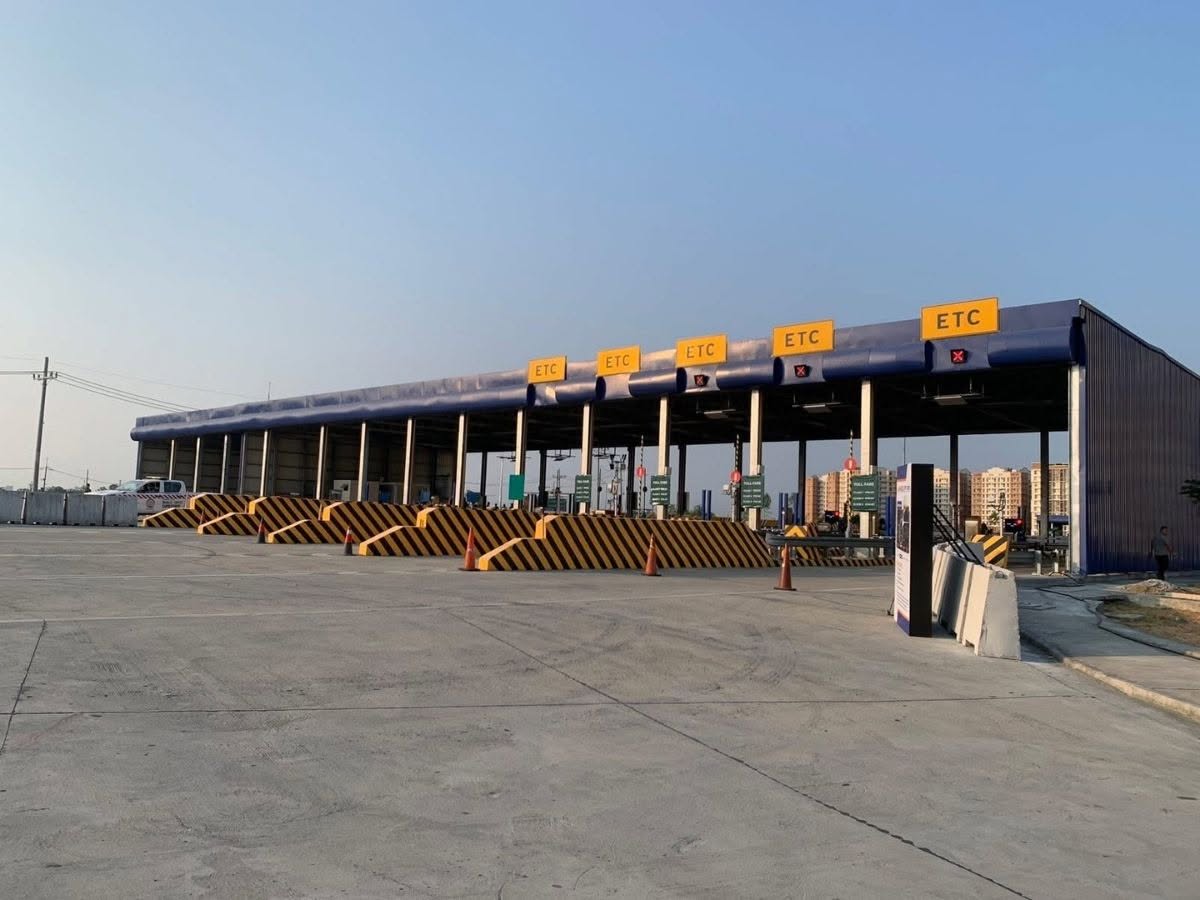
Barrier-less tollways in the Philippines are moving closer to pilot testing, as the Department of Transportation (DOTr) prepares to introduce a Multi-Lane Free Flow (MLFF) system across expressways before the end of 2026. The initiative aims to reduce congestion at toll plazas, shorten travel times and allow motorists to pass through designated tolling points without stopping at traditional barriers.
President Ferdinand Marcos Jr. has ordered the pilot testing of the system, which will allow vehicles to pass through designated tolling points without stopping at conventional toll barriers.
In a directive issued on November 19, Transportation Secretary Vince Dizon instructed tollway operators and concerned agencies to accelerate preparations for the nationwide pilot of the Barrier-less or Multi-Lane Free Flow (MLFF) Program.
The initiative aims to reduce long queues at toll plazas, shorten travel times, lower fuel consumption and minimize vehicle emissions caused by idling traffic.
According to the DOTr, removing physical toll barriers is now an urgent national priority as the government seeks to modernize the country’s expressway network.
Toll Operators Given December 21 Deadline
Under the directive, tollway operators must submit a comprehensive Action Plan and Readiness Assessment through the Toll Regulatory Board (TRB) on or before December 21, 2026.
The required submissions must cover four major areas, including electronic toll collection adoption, infrastructure and technology readiness, operational procedures and implementation timelines.
Operators are expected to outline strategies for increasing RFID adoption among motorists, including expanding installation locations, digital registration services, promotional activities and public information campaigns.
They must also report the readiness of their infrastructure, particularly toll gantries, automatic license plate recognition cameras, high-speed RFID readers and integrated payment systems.
The DOTr is also requiring operators to establish procedures for handling vehicles without registered accounts, insufficient RFID balances and transactions involving different expressway operators.
Each company must provide a month-by-month implementation roadmap detailing testing activities, dry runs and target dates for full operations.
How the Barrier-Less Toll System Will Work
The proposed Multi-Lane Free Flow system will use electronic toll collection technology to identify vehicles and process payments while motorists continue driving through designated tolling points.
Instead of stopping at a tollbooth and waiting for a barrier to open, vehicles will be detected through RFID readers and automatic number or license plate recognition cameras.
The RFID system will identify the vehicle’s electronic toll account, while cameras will capture its license plate information to help verify the transaction.
The collected information will be processed through an integrated backend system to determine the appropriate toll charge.
By eliminating the need for vehicles to stop at physical barriers, the government expects traffic to move more continuously, particularly during rush hours and peak travel periods.
SMC Tollways Already Equipped With AI Cameras
Some expressway operators have already invested in technology that could support the planned transition.
San Miguel Corporation (SMC) Infrastructure previously announced that it had installed 522 artificial intelligence-enabled Automatic License Plate Recognition (ALPR) cameras across its 220-kilometer expressway network.
The cameras work alongside the company’s existing Autosweep RFID system to verify vehicle information and improve the accuracy of toll transactions.
SMC said its infrastructure network includes the Skyway System, South Luzon Expressway (SLEX), STAR Tollway and Tarlac-Pangasinan-La Union Expressway (TPLEX), among other facilities.
The company also reported that initial testing involving raised toll barriers had been conducted along portions of SLEX and the at-grade Skyway system.
However, the availability of these technologies does not mean that all expressways are already ready for full barrier-less operations. Coordination among operators and the integration of their respective systems remain important requirements.
What Motorists Need to Know About RFID
The transition to barrier-less tollways is expected to increase the importance of electronic toll collection among motorists.
Under the proposed system, RFID technology will play a major role in identifying vehicles and processing toll payments without requiring drivers to stop.
The existing One RFID, All Tollways initiative has also helped improve interoperability between the Autosweep and Easytrip systems, allowing eligible motorists to use a single RFID account across participating expressways.
However, the DOTr has not yet announced all the final rules governing motorists under the new barrier-less system.
Questions remain about how vehicles without RFID accounts will be charged, what procedures will apply to insufficient account balances and whether additional requirements or penalties will be introduced.
Motorists should therefore wait for official guidelines from the DOTr and TRB before making changes to their existing RFID accounts or assuming that current toll payment procedures will immediately be discontinued.
Government Eyes Faster and More Efficient Expressway Travel
The government expects the Multi-Lane Free Flow Program to improve the capacity of existing expressways by reducing bottlenecks at toll plazas.
Dizon said removing physical toll barriers could significantly reduce travel time, fuel consumption and carbon emissions caused by vehicles waiting in line.
The success of the initiative, however, will depend on the readiness of toll operators, widespread adoption of electronic payments and reliable coordination between different toll collection systems.
The December 21 deadline will give the government an opportunity to assess the readiness of operators and determine the necessary steps before moving toward wider implementation.
While the nationwide pilot is targeted before the end of 2026, the government has yet to establish a definitive schedule for the full operational rollout across all expressways.
For motorists, the proposed change could eventually mean shorter queues, fewer stops and a more convenient expressway experience. The actual benefits will depend on how effectively the new system is implemented and how well it addresses payment, enforcement and technology-related challenges.
Sources:
- ABS-CBN News – Marcos orders pilot testing of barrier-less system in expressways (November 21, 2026).
- TV5 News – Government eyes barrierless expressway pilot test before year-end (November 21, 2026).
- SMC Infrastructure – SMC Tollways now with AI-enabled license plate-recognition cameras, ready for barrier-less expressways.
- DOTr directive dated November 19, 2026, as reported by ABS-CBN News and other Philippine news organizations.

 Facebook
 Twitter