
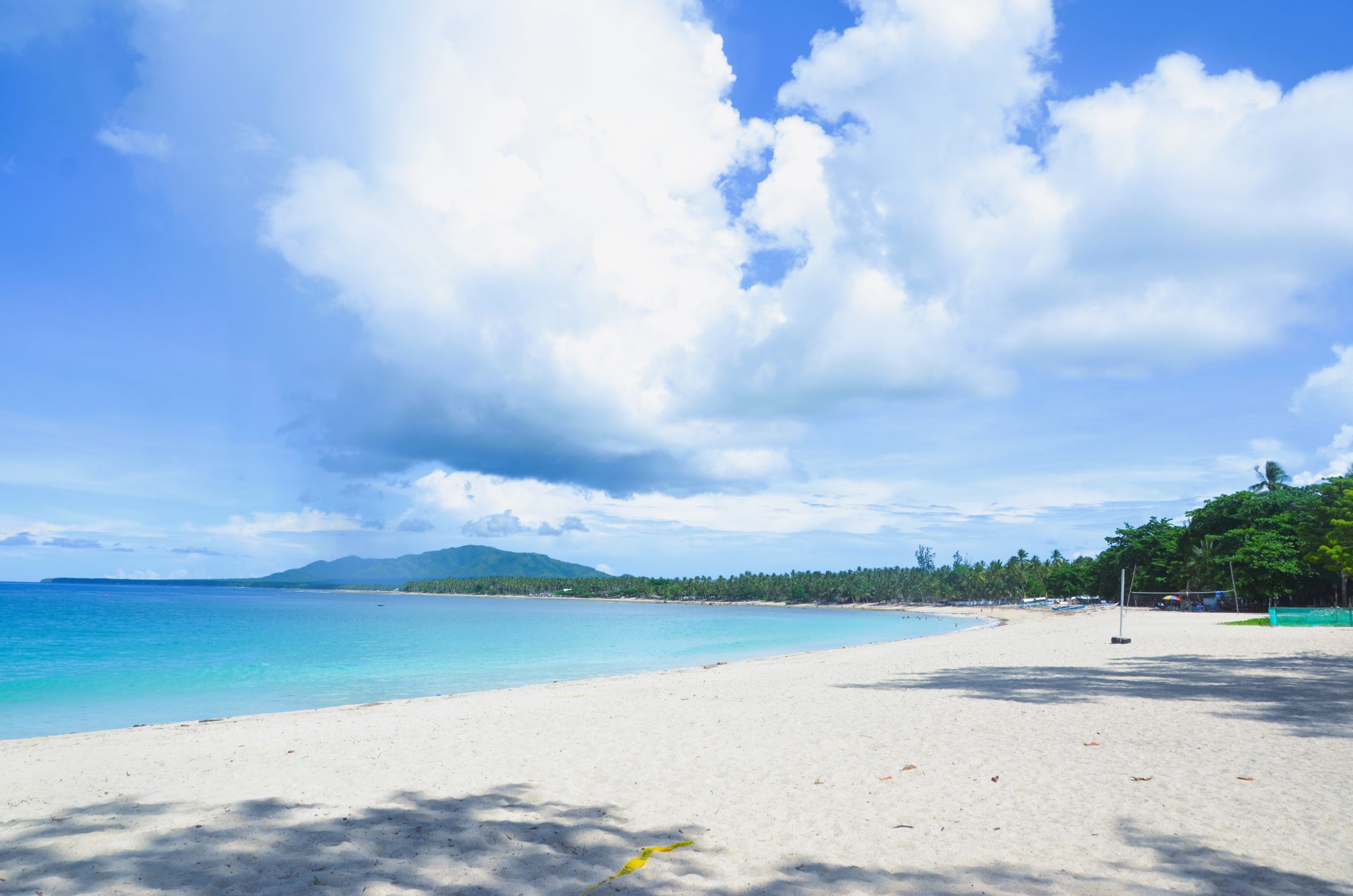
Mati Davao Oriental offers a combination of coastal scenery, natural landscapes, and outdoor attractions that make it one of the notable destinations in southeastern Mindanao. Facing the Pacific Ocean, the city is known for its extensive coastline and three prominent bays: Pujada Bay, Balite Bay, and Mayo Bay. These natural features, together with its beaches and surrounding landscapes, give visitors several reasons to explore the provincial capital beyond its role as a center of commerce and government.
There are places in the Philippines that can easily be described by a single attraction. Boracay is known for its white sand beaches, Siargao for its legendary waves, Baguio for its winding mountain roads, and Palawan for its stunning ecotourism sites. But there is one place where all these attractions seem to come together in one remarkable destination: Mati City, the lone city of Davao Oriental.
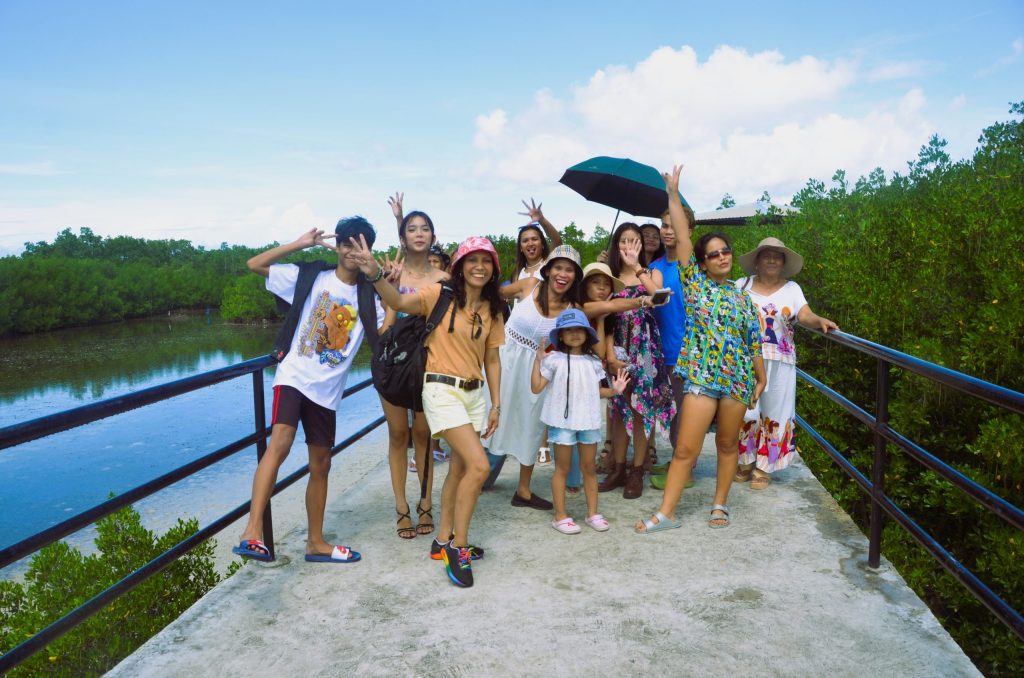
Our recent family trip brought us to this easternmost jewel of Mindanao. The journey began when my sister Elena, who had arrived from the United States a few weeks earlier, expressed her desire to visit a place she had never seen before. The choice fell on Mati. Soon, three of our other sisters joined the adventure, bringing along their children before the new school year began.
For most of them, it was their first time to experience Mati’s wonders. What followed was a memorable journey through one of the country’s most underrated tourism destinations.
A City Blessed by Nature
Located on the eastern edge of the Philippines, Mati serves as the capital of Davao Oriental and the center of commerce, education, and government in the province. Covering nearly 800 square kilometers, more than half of its land area remains forested.
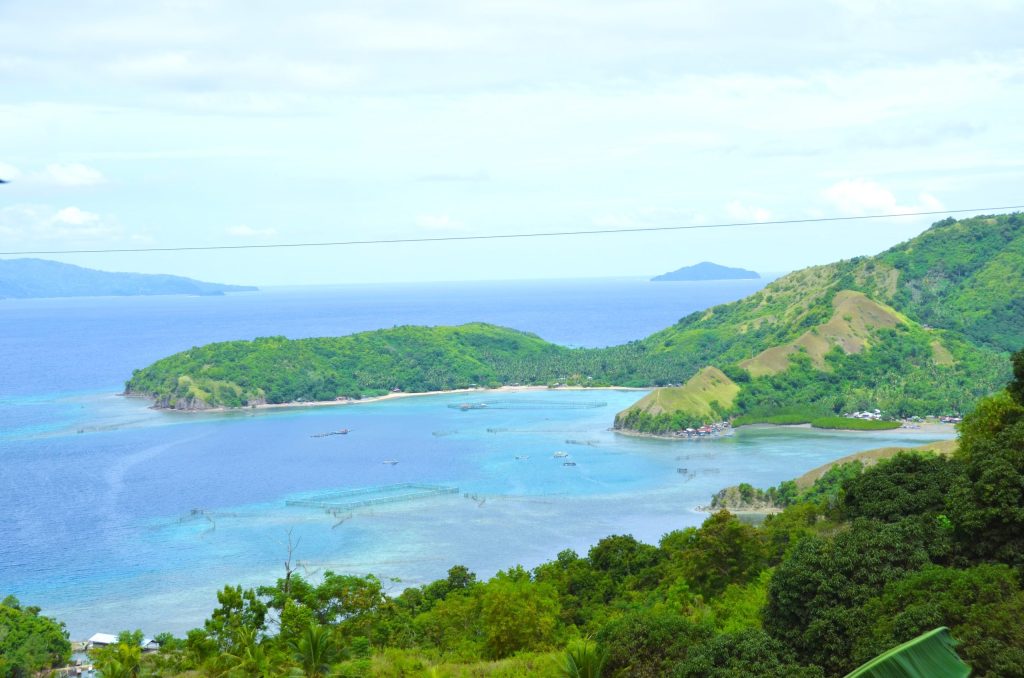
Facing the vast Pacific Ocean, Mati boasts an impressive 150-kilometer coastline and three magnificent bays: Pujada Bay, Balite Bay, and Mayo Bay. Together, these bays cover some 418 square kilometers and are considered among the city’s most valuable natural assets.
Guy Rousset of the Most Beautiful Bays in the World Organization could not hide his admiration for the area: “This place beguiles and inspires, sedates and stirs, where the distance between heaven and earth collapses and you will be able to catch glimpses of the divine or the infinite as you are united with nature.”
Such praise is hardly surprising. Everywhere one looks, nature dominates the landscape with breathtaking beauty.
Dahican: Mindanao’s Mini-Hawaii
No visit to Mati is complete without experiencing Dahican Beach, perhaps the city’s most famous attraction. Just 15 minutes from the city center, Dahican stretches for 17 kilometers with powdery white sand and crystal-clear waters. Looking out over the beach, it is easy to understand why visitors compare it to Boracay.
As local businessman Michael Rabat proudly said: “You don’t have to go to Boracay to experience white sand. We have it here.”
But Dahican is more than just a beach. Facing the Pacific Ocean, it offers ideal conditions for surfing, skimboarding, and windsurfing. This has earned it the nickname “Mindanao’s Mini-Hawaii.”
The steady winds and powerful waves attract adventure seekers from across the country, while its pristine shoreline remains perfect for leisurely walks and quiet relaxation.
Mayo Beach: A Slice of Blue Lagoon
About 30 minutes from the city proper lies another hidden gem: Mayo Beach. Its deep-blue waters and refreshing spring-fed lagoon evoke memories of the classic film The Blue Lagoon. The cool waters and gentle sea breeze provide a refreshing escape from the tropical heat.
For visitors seeking tranquility, Mayo offers an ideal setting for picnics, family gatherings, and quiet moments surrounded by nature.
Island Treasures of Pujada Bay
One of the highlights of our trip was the much-anticipated tri-island hopping adventure. After spending the night at Bahia Beach Resort, we rose early and headed to Barangay Macambol, where the crew of Laagan Tourist Boat Rental welcomed us and briefed us before departure.
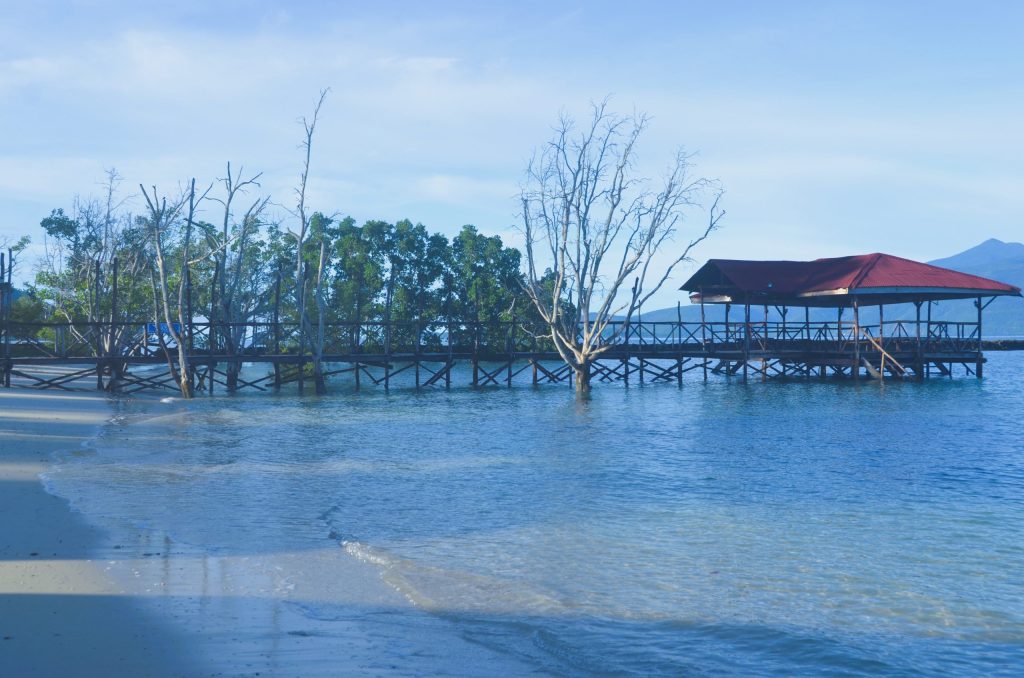
Our first stop was Oak Island, a fascinating sandbar that appears only during low tide and disappears when the sea rises. Spending time on a vanishing island felt almost magical.
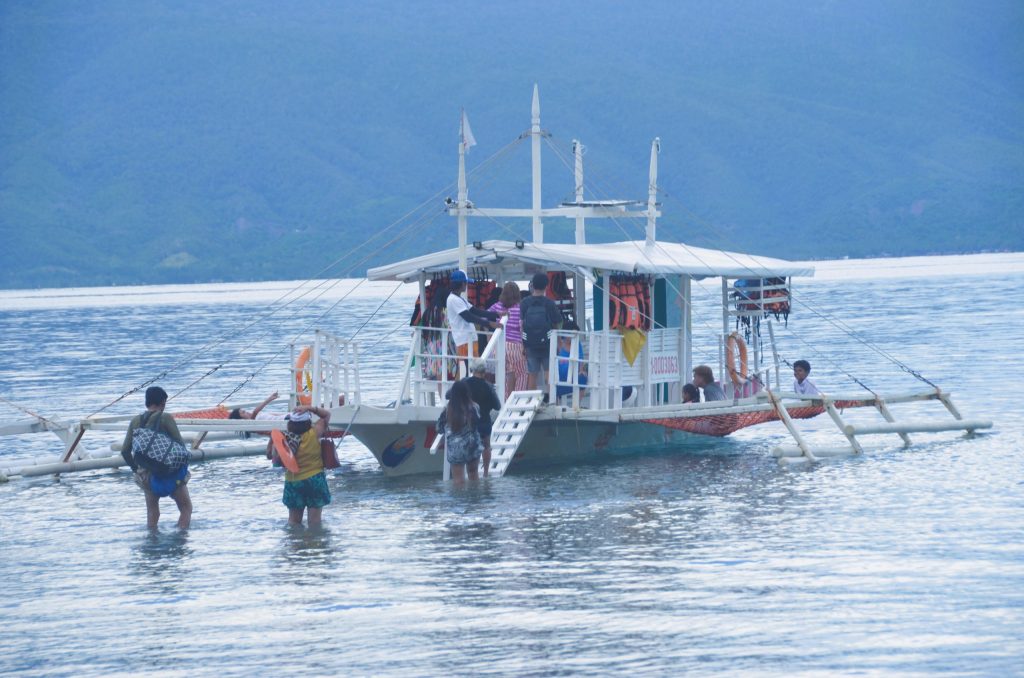
From there, we journeyed to Pujada Island, a 156-hectare island surrounded by white sand beaches and turquoise waters. Here, the family enjoyed swimming, sightseeing, and sharing lunch under the summer sun.
French tourism executive Bruno Bodard described the area best: “Pujada Bay is almost a virgin paradise. It is much more beautiful than we expected. The Philippines is a very nice country. You have the jewel in Pujada.”
The final destination was Waniban Island, a tiny coral-fringed paradise known for its white sand and rich marine life. Though currently protected from tourism activities, its beauty remains undeniable.
A Sanctuary for Marine Life
Beneath Mati’s waters lies one of Southeast Asia’s richest marine ecosystems. Pujada Bay hosts thousands of marine species, including lobsters, sea cows, manta rays, hammerhead sharks, blue whales, and several species of endangered sea turtles.
Visitors can also take part in Dahican cruises, offering opportunities to spot dolphins, dugongs, and pawikan in their natural habitat.
In an age when many marine ecosystems are threatened, Mati remains a rare sanctuary where wildlife continues to thrive.

The Living Forest by the Sea
Before checking into our resort, our family visited the Guang-Guang Mangrove Forest. Covering approximately 21,000 hectares, this protected area shelters 18 rare and mostly endangered mangrove species. Community members, with support from the Department of Environment and Natural Resources (DENR), continue to protect and manage this invaluable ecosystem.
Walking along the mangrove area provided a powerful reminder that tourism and environmental conservation can work hand in hand.
The Vista from Badas
If Dahican showcases Mati’s coastal beauty, Badas reveals its scenic grandeur from above. The winding road snakes along a cliff overlooking the blue expanse of Pujada Bay. Similar to Baguio’s famous zigzag roads, every curve reveals another breathtaking vista.
The viewpoint also offers a spectacular look at the so-called “Sleeping Dinosaur,” a 579-hectare land formation resembling a giant prehistoric creature resting beside the sea. The view alone is well worth the journey.
A Quiet Retreat at Bahia Beach Resort
Our family stayed at Bahia Beach Resort, located away from the busy tourist crowds. Simple yet comfortable, the resort offered air-conditioned accommodations, clear waters, and white sand beaches. Because it lies away from the more crowded Dahican area, we enjoyed an almost private beach experience.
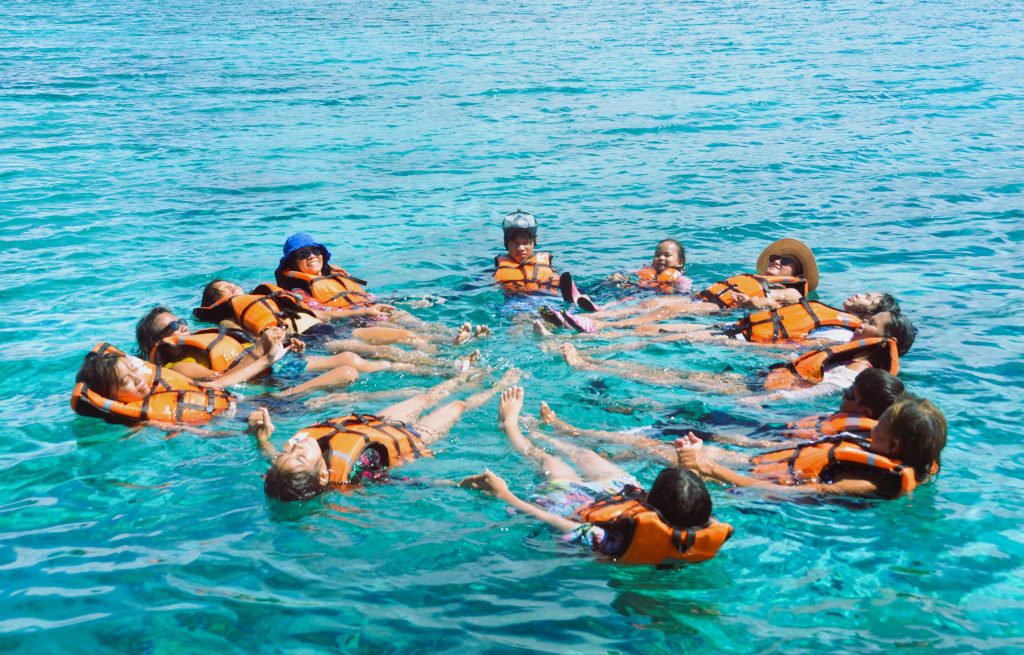
The children swam freely in calm, crystal-clear waters that felt more like a giant swimming pool than an ocean shoreline.
As the sun set over the horizon, our family gathered for a hearty dinner of home-cooked food and local delicacies. It was one of those rare evenings when time seemed to slow down.
A Tourism Haven Worth Discovering
Many destinations boast a single attraction. Mati offers an entire collection of them. It has Boracay’s white sands, Siargao’s surfing waves, Baguio’s winding roads, Palawan’s island paradise, Aklan’s mangrove forests, Davao’s endangered wildlife, and Camiguin’s mysterious vanishing island.
Years ago, after visiting the city for the first time, then Congressman Lorenzo Reyes Tañada III summed up Mati’s appeal in a few simple words: “This is a tourism haven.”
After experiencing its beaches, islands, mangrove forests, wildlife, scenic roads, and warm hospitality firsthand, one cannot help but agree.
Indeed, Mati City is not merely a destination. It is a celebration of nature’s finest gifts gathered in one extraordinary corner of the Philippines.

 Facebook
 Twitter