
Abandoned children in the Philippines face emotional, physical, and psychological challenges due to lack of adequate care, supervision, and long-term support.
Child abandonment is the act of leaving a child without adequate care, supervision, or support, frequently leading to emotional, physical, and psychological trauma for the children involved.
Estimates regarding the number of abandoned and orphaned children in the country differ, yet sources consistently indicate millions, with figures ranging from 1.8 to 2 million orphaned or abandoned children reported by organizations such as World Without Orphans, United Children Emergency Fund, and Care for Children.
Some non-governmental organizations even propose higher estimates, suggesting that there are between 5 to 7 million vulnerable children, often as a result of poverty, natural disasters, and insufficient education.
Various government agencies and non-profit organizations are working to address child abandonment in the Philippines. No Longer Abandoned, founded by an American couple, is one of these non-government organizations. Right now, they are still in the process of attaining a license to operate from the Department of Social Welfare and Development (DSWD).
While waiting, they are already building a home for girls, ages 12-18, who have been abandoned, neglected, or sexually abused.
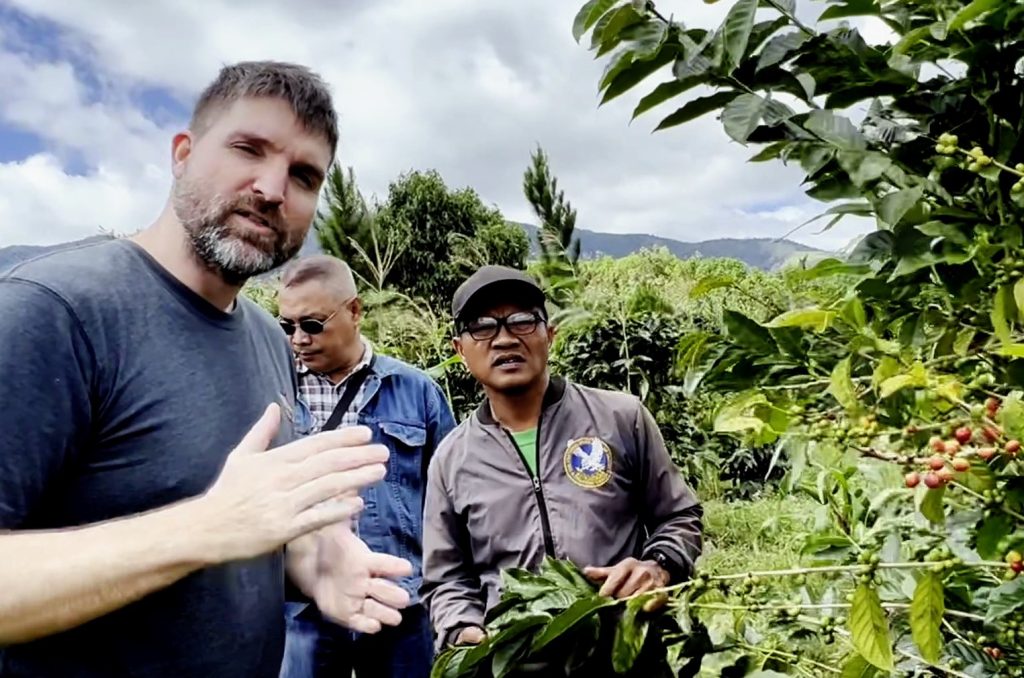
“The Philippines has over two million abandoned children, not to mention all of the runaways, internally displaced children, etc.,” says Casey Burnett, an American missionary who’s from South Carolina. “Think of all the children we pass by when we go eat at a restaurant, how many of those children are on their own? Have you stopped to talk to them to get their story? How many of these girls have run away to escape being forced into marriage? It would shock you some of the things these children go through.”
Most of these abandoned children, he surmises, “are the most vulnerable to sex trafficking, gangs, drug use, and hopelessness, among others. It’s easy to blame the government, or parents of the children, but if we are Christian people, it’s up to us to do something.”
Burnett came to the Philippines in 2010 as a member of the Nehemiah Teams, a Baptist missionary organization affiliated with the Richmond-based International Mission Board. He was assigned to Butuan City, where he met Judith, a Filipina who would later become his wife.
Following the expiration of his contract with Nehemiah Teams, Burnett relocated to the United States with his wife, where they operated Cup of Hope of Coffee for around five years. The couple then paused their coffee business for a few years until they felt called by God to establish a children’s home for abandoned children in the Philippines.
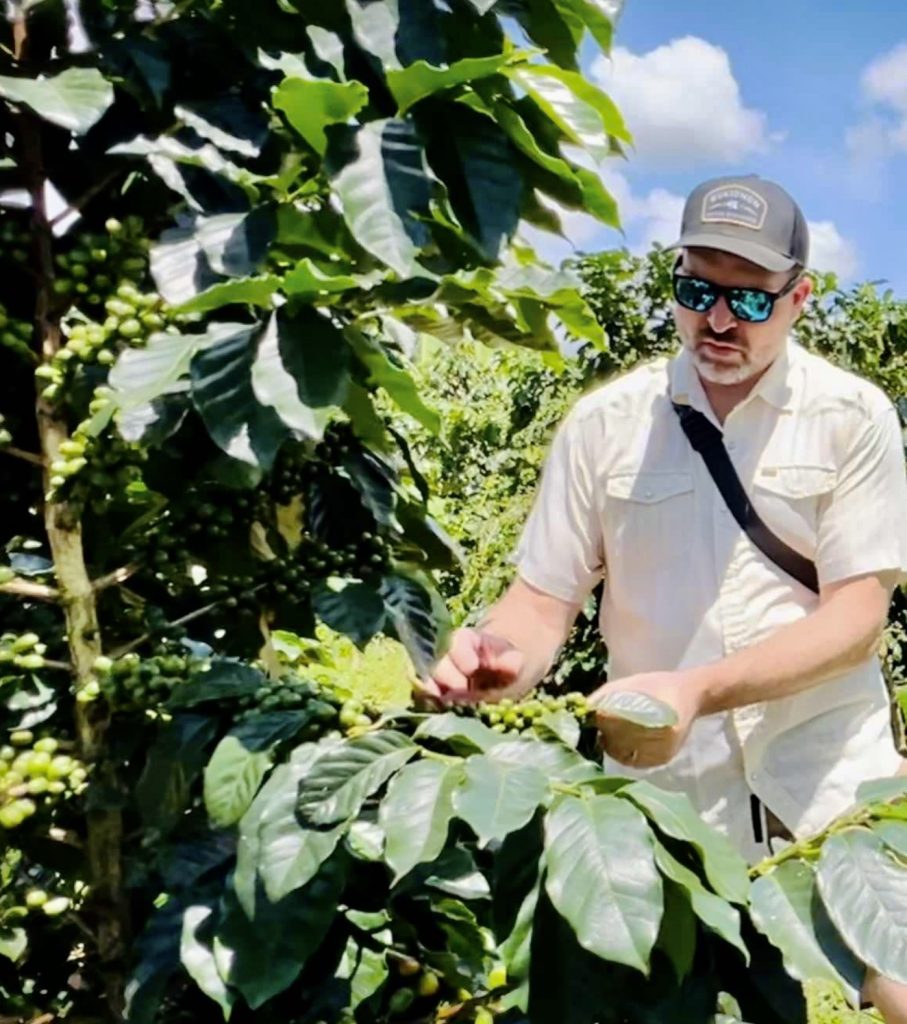
But before doing so, the couple developed businesses that could sustain themselves financially in subsequent years.
At the beginning of 2023, the Burnetts returned to the Philippines and settled in Bukidnon.
No Longer Abandoned, which provides homes for abandoned children, collaborates with the Solid Rock Children Development Foundation, Inc., a foundation registered in the Philippines. The Philippine-based program works in partnership with the DSWD.
“Being a foreigner, I can’t just go and pick kids off of the street,” Burnett says. “We have spent the last two years setting up the foundation, buying a property, getting the certificate of occupancy, hiring a social worker and staff to care for children under the DSWD guidelines.”
After all of the requirements are met, “our social workers can take in children that the DSWD needs to help find shelter for. Our first home will be a temporary shelter for girls, ages 12-18, and we will cover all costs for food, education, and medicine, among others.
“We are big believers in healthy routines,” he continues. “We will make sure the girls sit down and eat a meal in a family environment every day. The routine of being able to sit down and talk about the day in a family structure helps bring stability to children. We’ll do an educational assessment of each of the children to make an individual plan to help the children get caught up in school.”
Christian ethics are also part of it. “We will have daily prayer time and Bible study,” Burnett says. “This helps children know how valuable they are to God and also helps them see their own self-worth. We will also teach vocational and entrepreneurship skills through all of these small businesses that we start.”
The overall goal is to treat these children like their own. “The goal of any parent is to help their children to grow up to be strong,” he says. “We don’t want these children graduating through our programs, we want them to graduate with confidence to face the world, and to have healthy families moving forward.”
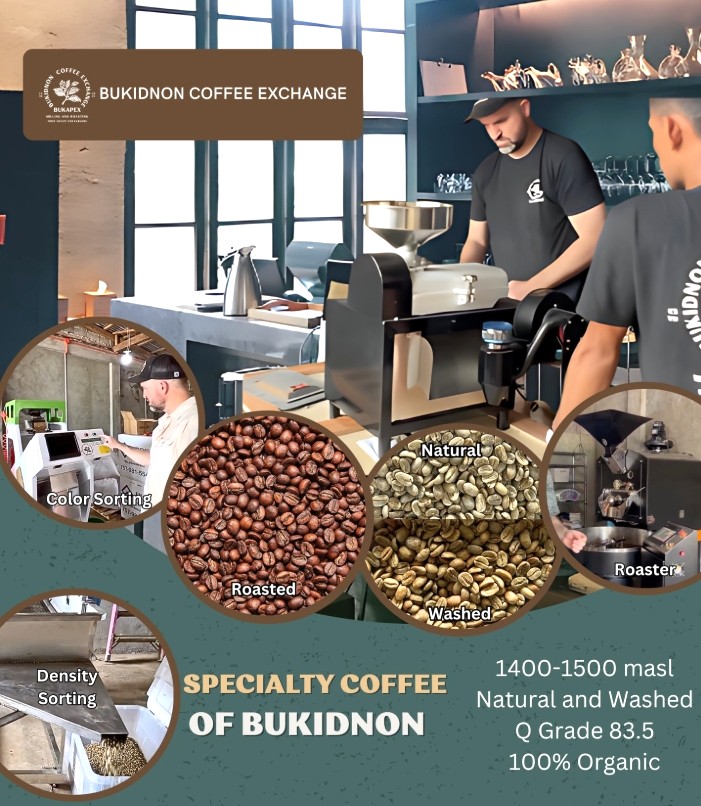
But the question is: Who will support the program financially? That’s where the Bukidnon Coffee Exchange (BUKAPEX) come into the picture. He launched it in 2024 with the aim of providing the highest quality local coffee in the province.
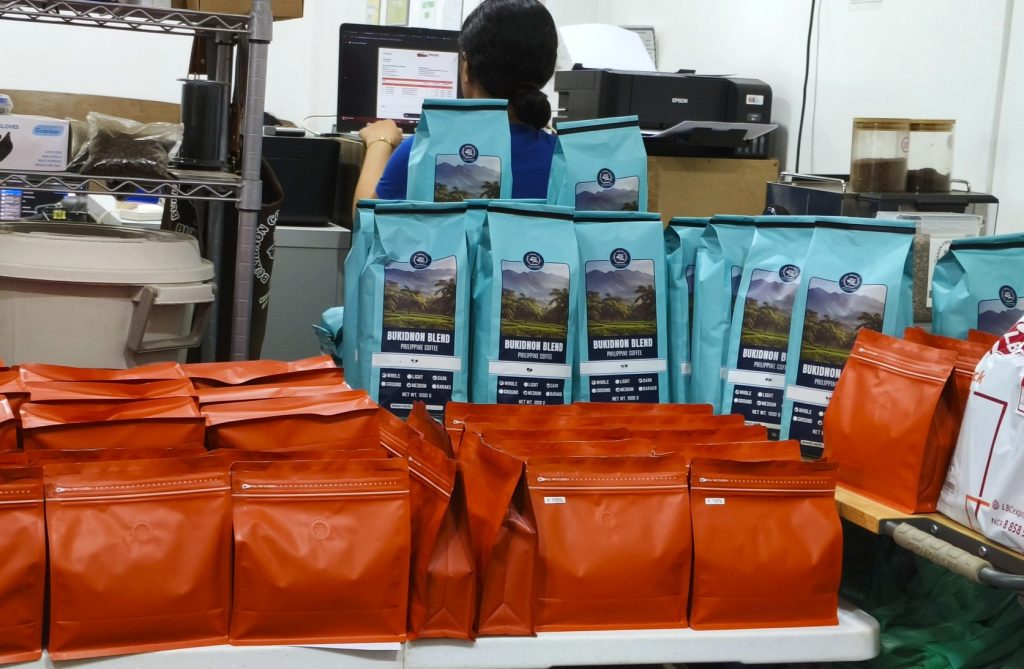
“Coffee is one of the businesses I first learned about when I lived in China, then moved to the Philippines back in 2010,” Burnett says, adding that he started his first coffee mill in barangay MJ Santos and traded Robusta coffee, which he bought from farmers in Agusan del Norte.
“One of the things that I liked about having a buying station and coffee mill was that we were able to impact the lives of so many people by just helping create the supply chain,” he recalls. “At the end of the day, farmers want to know that they have a stable buyer, so the challenge is to make sure you have access to enough money to continue to buy.”
Based on such an experience, he thought of making BUKAPEX a money-venture project that will support No Longer Abandoned. “Using our background in agriculture and community development, our business goal is to help coffee farmers make more money by creating and strengthening cooperatives,” he explains.
Right now, BUKAPEX has a privately owned full-service coffee mill and roasting facility. “We buy from three main cooperatives, and we have done growing contracts with these groups of farmers,” he says.
The contract stipulates that the groups make sure they have liquidity to buy coffee for the harvest season and BUKAPEX gets a good price by buying early. “The cooperatives can use the money to buy coffee, and they can sell to us at ‘spot’ price which will typically be higher than the contract price,” he explains. “It’s a win-win for both parties, and I think a better deal than a shady lender.”
BUKAPEX is also helping to start a cooperative in the town of Pangantucan to increase coffee production in that area. “We are currently helping build more solar dryers to increase the drying capacity during harvest,” Burnett says.
According to Burnett, they buy most of their coffee from Pangantucan farmers, who have really worked hard to continually improve their processes. “We also have several growers from the region find us and deliver coffee for us to process or to purchase. I would say we work in total with at least 30-50 growers, but that number is hard to pin down because sometimes it is a cooperative that brings their coffee.
“We have helped the growers mainly by becoming the steady buyer, also we have one group we helped build some solar dryers and helped sort their coffee for the annual Philippine Coffee Quality Competition,” he adds.
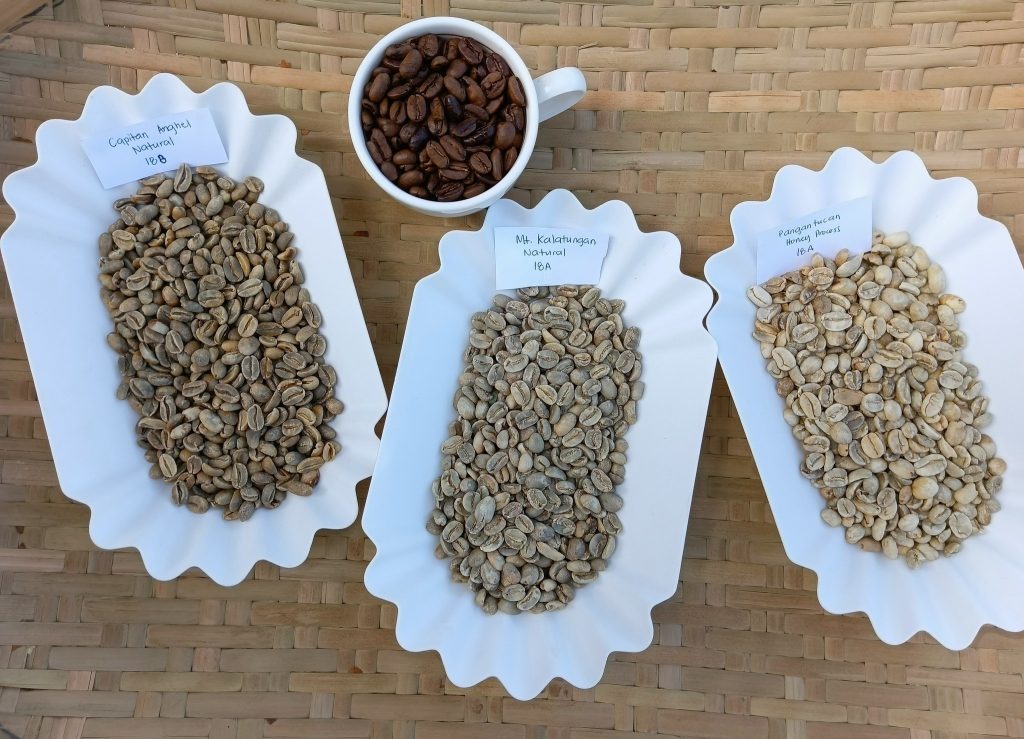
In addition, BUKAPEX helps farmers as well if they want to sell their own green or roasted coffee to other buyers. “We just charge for our milling or roasting services, so they can get the benefit of the value added sale compared to just the farmgate price for coffee,” he says.
According to Burnett, the Philippines is one of the few countries in the world where the four types of coffee can be grown. “For us, we just focus on Arabica and Robusta,” he says. “Of the Arabica, the cultivars are typically Catimor (commercial grade typically, but more disease resistant), Bourbon, Typica, and some Ethiopian Landrace (sweet coffee).”
There is a high demand for locally-produced Arabica. “The Philippines consumes much more coffee than is grown, therefore, farmers can get higher than the world market prices if the quality is right,” he says. “While we are trying to establish an export market, there is still a strong domestic market.”
Coffee production is very labor intensive. “Traditionally, coffee is harvested and the entire coffee berries are dried to around 12% to 13% moisture content,” Burnett says. “Coffee is usually dried on the road or near the ground and it absorbs whatever odor is near it. Once it rains, they cover it with a tarp until the sun comes out and then continues to dry it. This is the most common method and this is one of the reasons why the coffee quality is poor.”
The process of selling coffee is relatively straightforward. “All of our green and roasted coffee is available for purchase via our BUKAPEX Facebook page,” Burnett says. “We offer nationwide shipping and have had numerous customers discover our coffee and take it overseas. Our goal is to begin exporting once we reach sufficient volume.”
They have quickly developed a strong social media presence, and that has helped them move hundreds of kilos of roasted coffee. “We are currently roasting and selling around 400-700 kilos a month of roasted coffee just online or with walk-in customers,” he says.
The response to their coffee – both green and roasted – has been overwhelmingly good. “I think there is a real hunger to promote local products, and both our growers and customers are excited to experience this coffee that is grown, processed, and packaged right here,” he says.
Recently, BUKAPEX has received the Coffee Export Accreditation. “I am planning to ship a ‘test’ shipment of one ton of Pangantucan Arabica to the United States for me to try to use to build contracts for the future,” he reports.
BUKAPEX serves four primary objectives, according to Burnett. Firstly, he aims to generate revenue for Solid Rock Children Development Foundation. Secondly, he seeks to establish stable employment opportunities, ideally for their graduating students in the future. Another objective is to transform into the regional hub for Arabica processing. Lastly, he intends to develop a supply chain for the entire province to enhance the promotion and marketing of Bukidnon coffees.
Currently, BUKAPEX has partnered with Solid Rock Children Development Foundation to provide job training and life skills through the scholarship program known as the Junior Leadership Program. “While these girls don’t live with us, we do cover their expenses and help them finish school, then teach them job skills here at Bukidnon Coffee Exchange,” Burnett says. “They actually helped sort much of the coffee that we submitted to the Philippine Coffee Quality Competition, so that was cool to be a part of that.”
One of these young ladies is 22-year-old Nica, who now works as both a house parent to the children and works on staff at BUKAPEX. Just this year, through the Alternative Learning System program of the Department of Education, she is now in Senior High School.
“I have learned many things through the program that has assisted in my personal development,” she admits. “I am now more confident in myself and more determined to achieve my goals. I am more disciplined now and have acquired the ability to manage my time and responsibilities effectively.
“I have learned to live with patience and maintain a positive outlook on life,” she continues. “My communication skills and interactions with others have also improved, and I am more grateful for the opportunities that come my way. Thanks to the program, I am stronger now, better prepared to face challenges, and more motivated to continue pursuing my dreams in life.”
Meanwhile, when asked how he balances his initiative (coffee) and cause (abandoned children), Burnett replies, “We actually mix them together. Everything we do is ‘hands-on.’ We demonstrate the value of hard work, and have the kids work with us if they are not in school. ‘Work’ is a loose term for kids, right now they are just sorting coffee beans, just like my own small children. It’s a small task but they will learn to show up, work hard, and then they will pick up additional job skills as they go along.”


 Facebook
 Twitter