
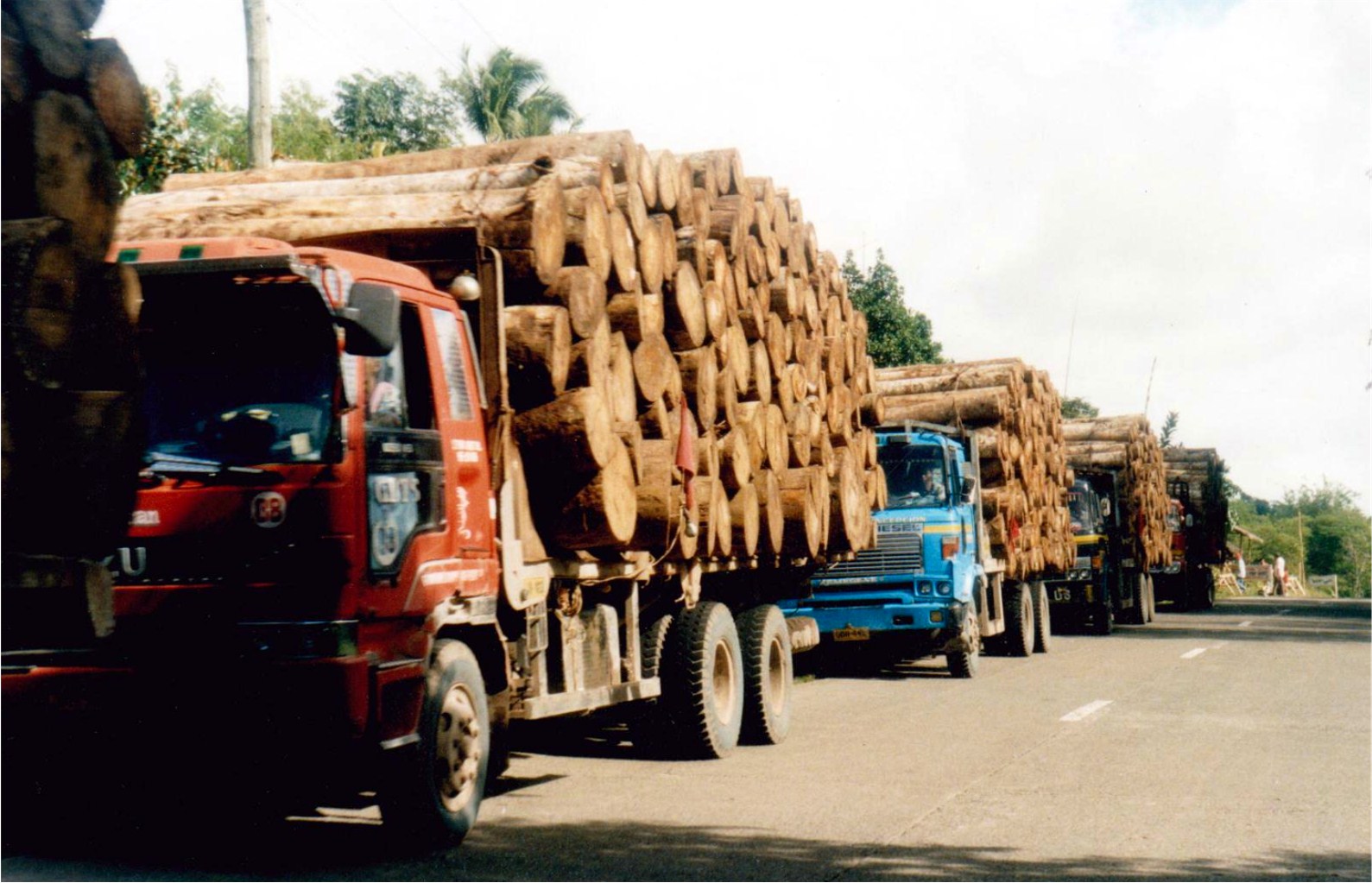
Forest conservation in the Philippines is becoming increasingly important as growing demands for land, natural resources, and development put pressure on the country’s remaining forests. These ecosystems play a critical role in maintaining clean air, protecting watersheds, supporting biodiversity, and sustaining communities that depend on natural resources. Environmental advocates warn that continued forest degradation could have serious consequences for future generations, making responsible resource management and long-term protection essential to the country’s environmental and economic well-being.
When God created the earth, the Almighty entrusted humanity with dominion over it. From the Christian perspective, this stewardship was not a license for exploitation but a responsibility to nurture, protect, and sustain creation.
Yet history shows that man has done a lousy job. Instead of caring for what was rightly his, he chose to ruin it. From two people during Creation, the world is now home to approximately 7.5 billion individuals—this despite decades of attempts to slow the demographic explosion.
Before 2050, the global population is projected to swell to 10 billion, according to a three‑year study by the US Council on Environmental Quality and the State Department titled Reconnaissance of the Future Global 2000. Ten billion mouths to feed, ten billion bodies to shelter, and ten billion lives dependent on the earth’s finite resources.
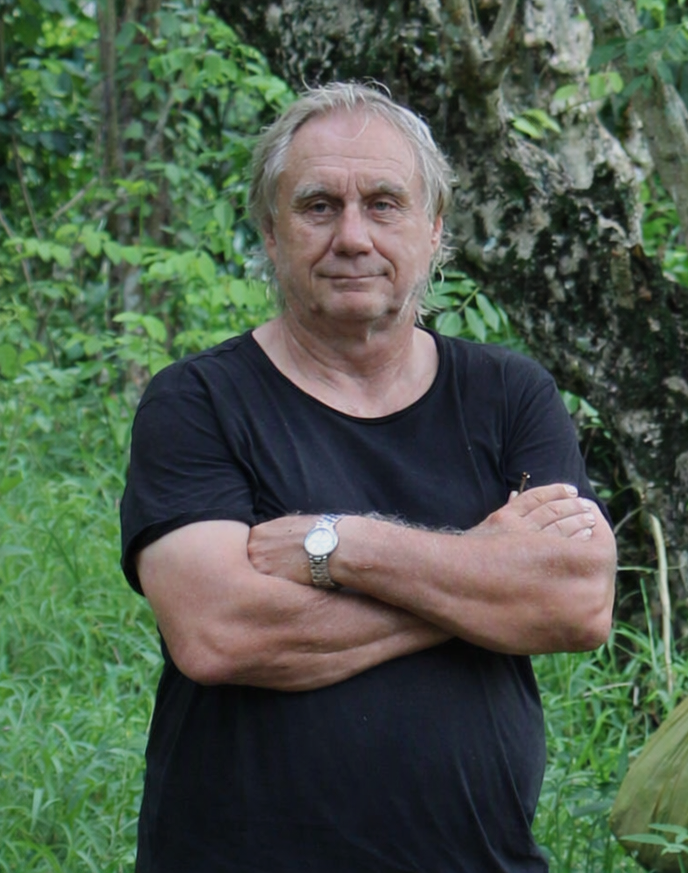
“More inhabitants mean greater needs,” said Ulrich Kronberg, a German national and president of the Davao‑based Mama Earth Foundation. “This has led to an increase in demand for raw materials, which are being extracted from the earth to the hilt.”
If this trend continues, Kronberg fears the world “might collapse.” In our conversation, he emphasized that mitigation is urgently needed to reverse the impending disastrous effects. “There are no simple solutions. The connections that keep organisms on Earth alive are too complicated,” he said.
Kronberg considers people as the “fulcrum” in the entire scheme of things. “First of all, people need at least 10,000 liters of clean air daily for breathing,” he explained. “Clean air takes precedence over all other needs. Crystal-clear water and abundant meals are worthless without adequate breathing air.”
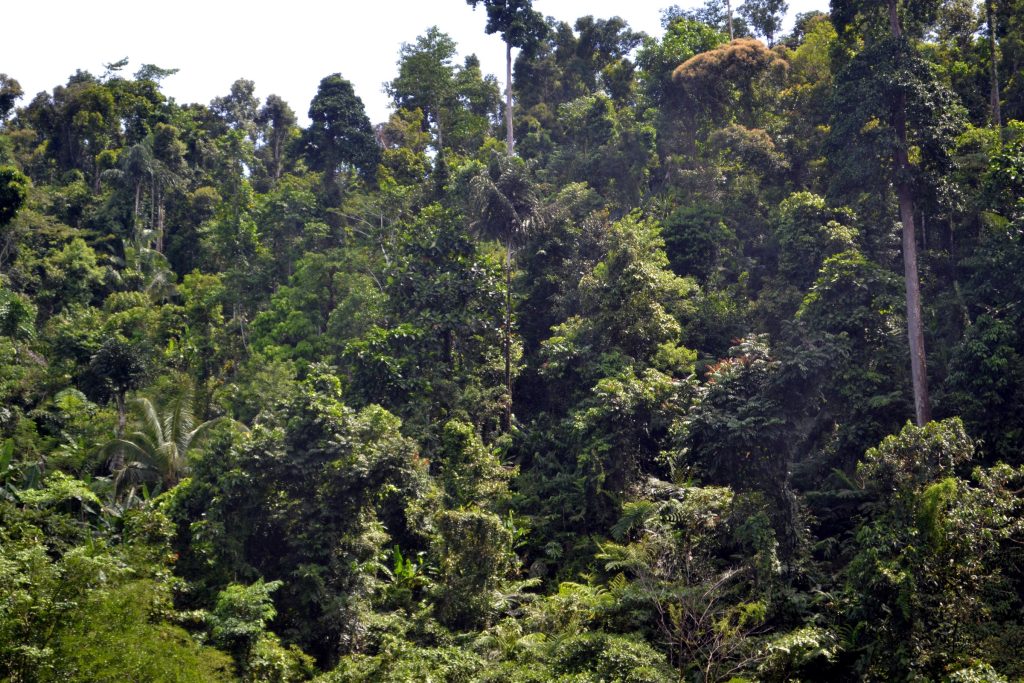
To produce the oxygen required for aerobic respiration, plants and trees are essential. They process carbon dioxide emitted by humans and convert it into oxygen. “Trees and forests produce abundant oxygen, so we need more of them,” Kronberg said. “A full-grown tree can supply at least 10 people with breathing air.”
He learned this from Dr. Jorn Wittern, a German professor, who explained: “A broad-leafed tree produces 2 kilograms of oxygen in 1 hour. A person consumes 2 kilograms of oxygen per day. Every liter of gasoline which powers a motor or a turbine consumes 2 kilograms of oxygen.”
The equation is simple: fewer trees mean less oxygen. More cars mean more oxygen consumed. Yet humanity continues to cut forests at an alarming rate.
“A few hundred years ago, at least 95 percent of the Philippines was covered by rain forest; only a few patches of open woodland and seasonal forest, mostly on Luzon, broke the expanse of moist, verdant land,” noted Dr. Lawrence R. Heaney, an American curator with honorary appointments at the Philippine National Museum.
By the time the Spanish arrived in the 16th century, scattered coastal areas had been cleared for agriculture and villages. Three hundred years later, rainforest still covered about 70 percent of the country.
Today, the Philippines is almost devoid of its forest cover. According to the UN Food and Agriculture Organization (FAO), only 25.7 percent of the country’s total land area of 30 million hectares is forested. Of this, a mere 11.2 percent (861,000 hectares) is classified as primary forest.
Between 1990 and 2010, the Philippines lost an average of 54,750 hectares of forest annually. “Most of the once rich forest are gone,” said the FAO publication Sustainable Forest Management. “Forest recovery, through natural and artificial means, never coped with the destruction rate.”
The Department of Environment and Natural Resources (DENR) identifies logging—both legal and illegal—forest fires, natural calamities, conversion to agricultural lands, human settlements, and urbanization as principal drivers of forest loss. Mining operations, which also cause pollution, add further pressure. Fuelwood collection remains widespread; in developing countries, 85 percent of meals are cooked over wood or charcoal.
The removal of forest cover makes the Philippines susceptible to environmental catastrophes. “Most of these were not seen in such intensity and magnitude before our time,” said Jethro P. Adang, director of the Mindanao Baptist Rural Life Center Foundation, Inc. “The signs cry out for immediate, nationwide attention.”
Deforestation is often equated with calamities like landslides and flash floods. Without trees in the uplands, rainwater rushes down to the lowlands with destructive force. “Rain which falls over a bare slope acts differently,” Gifford Pinchot wrote in A Primer for Forestry. “It is not caught by the crowns nor held by the floor, nor is its flow into the streams hindered by the timber. The result is that a great deal of water reaches the streams in a short time, which is the reason why floods occur.”
Continuous deforestation also reduces the world’s ability to shield itself from the sun’s scorching heat. With rapid industrialization, more carbon dioxide accumulates in the atmosphere, trapping heat and raising global temperatures.
Climate change, as scientists call it, is driven by greenhouse gases—water vapor, carbon dioxide, methane, and man-made chlorofluorocarbons. “As a result of rising concentration of greenhouse gases in the atmosphere, the global mean temperature has increased 0.8 degrees Centigrade above pre-industrial levels,” explained a World Bank report. “Most warming has occurred since 1970, with the rate of warming in the past decade being nearly double that of the past century.”
To counter climate change, Mama Earth Foundation advocates reforestation because “every tree counts.” Kronberg considers forests as “air conditioning systems.” They regulate temperature, maintain humidity, and make the planet conducive for living.
He offers a sobering calculation: “Any individual who drives 10,000 kilometers yearly with his car that consumes on average 8 liters of gasoline per 100 kilometers burns 800 liters of gasoline. This results in 1,864 kilograms of carbon dioxide per year.”
To balance that carbon dioxide emission, a person needs to plant 133 trees annually. The numbers are staggering, but they reveal a truth humanity can no longer ignore: our lifestyles are incompatible with the planet’s limits. The dominion granted to man was meant to be exercised with wisdom, restraint, and reverence. Instead, it has been wielded with greed, negligence, and short-term thinking.
The world stands at a crossroads. Population continues to rise. Forests continue to fall. Temperatures continue to climb. The earth’s natural systems—air, water, soil, climate—are straining under the weight of human activity.
Yet the path to redemption remains open. Every tree planted, every forest protected, every ecosystem restored is a step toward healing. The question is whether humanity will choose that path before it is too late.
In the beginning, man was given dominion over the earth. Today, the earth is asking whether he still deserves it.

 Facebook
 Twitter