
Nanobiopesticide armyworm larvae control may soon become easier for onion farmers as a locally developed formulation from Central Luzon State University has proven capable of eliminating the pest within 48 hours.
Onion farmers now have a tool that would help them eliminate armyworms attacking their crops. The tool is in the form of a nanobiopesticide formulation developed by the Central Luzon State University (CLSU).
Based on the study conducted at its research site in Muñoz, Nueva Ecija, the locally-formulated nanobiopesticide was able to exterminate 100% of the armyworm larvae within just 48 hours after application.
This good news was reported by Dr. Danila Paragas, CLSU project leader, during the project review meeting and field monitoring and evaluation visit held in the province.
The nanobiopesticide is an output of a research project funded by the Philippine Council for Agriculture, Aquatic and Natural Resources Research and Development (PCAARRD), a line agency of the Department of Science and Technology (DOST).
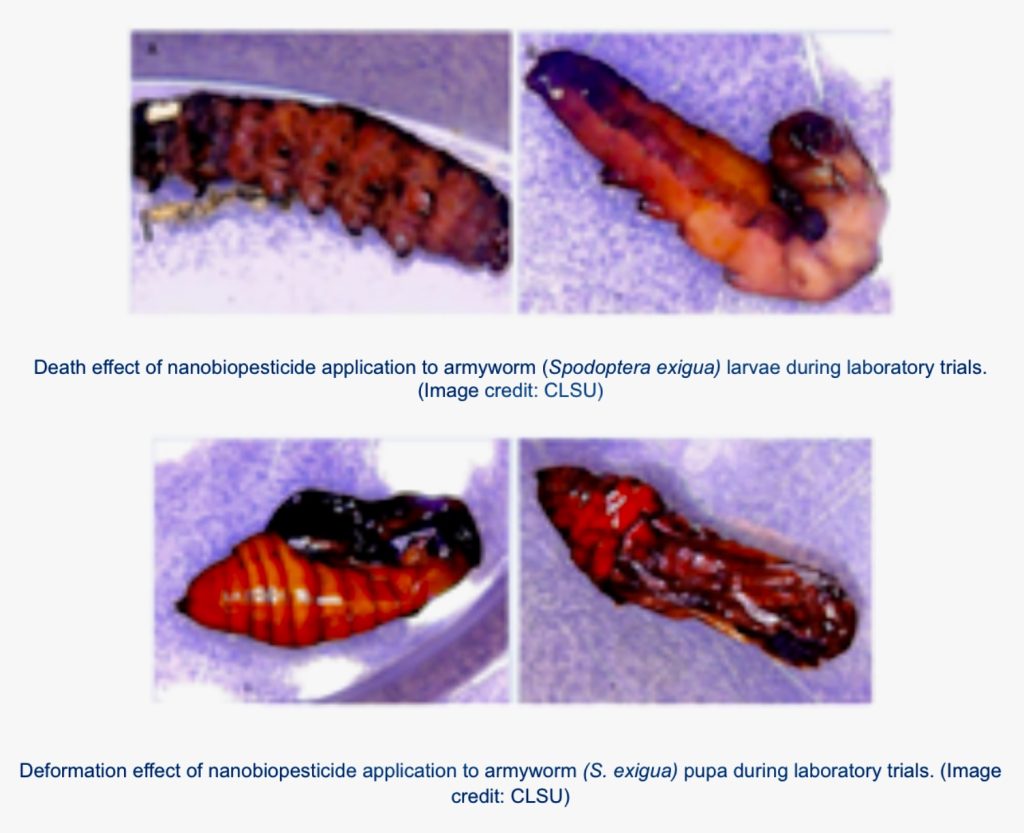
According to Dr. Paragas, the final formulation resulted from experimenting with more than 11 plant extracts and nanoparticles. Laboratory trials showed that the contact toxicity tests of the nanobiopesticide treatments resulted in a 90% mortality rate for first instar larvae and 100% mortality rate for second to third instar larvae within 48 hours of exposure.
Nanobiopesticide is a product of nanotechnology, recognized as one of the key strategies that can contribute to sustainable and competitive agriculture.
The book, Nanobiotechnology Applications in Plant Protection, states nanobiopesticides are formulated from “active ingredient of a pesticide in nanoform that have slow degradation, targeted delivery, and controlled release of active ingredient for longer period that make them environmentally safe and less toxic in comparison with conventional chemical pesticides.”
To make nanobiopesticide formulations sustainable and economically viable, intensive research is required where an environmentally friendly approach and efficiency are the main focuses.
In the Philippines, onions are among the most profitable high-value crops. Because of its distinct pungent smell and taste that perks up the flavors of almost every type of cuisine, onion has earned the title, “king of vegetables.”
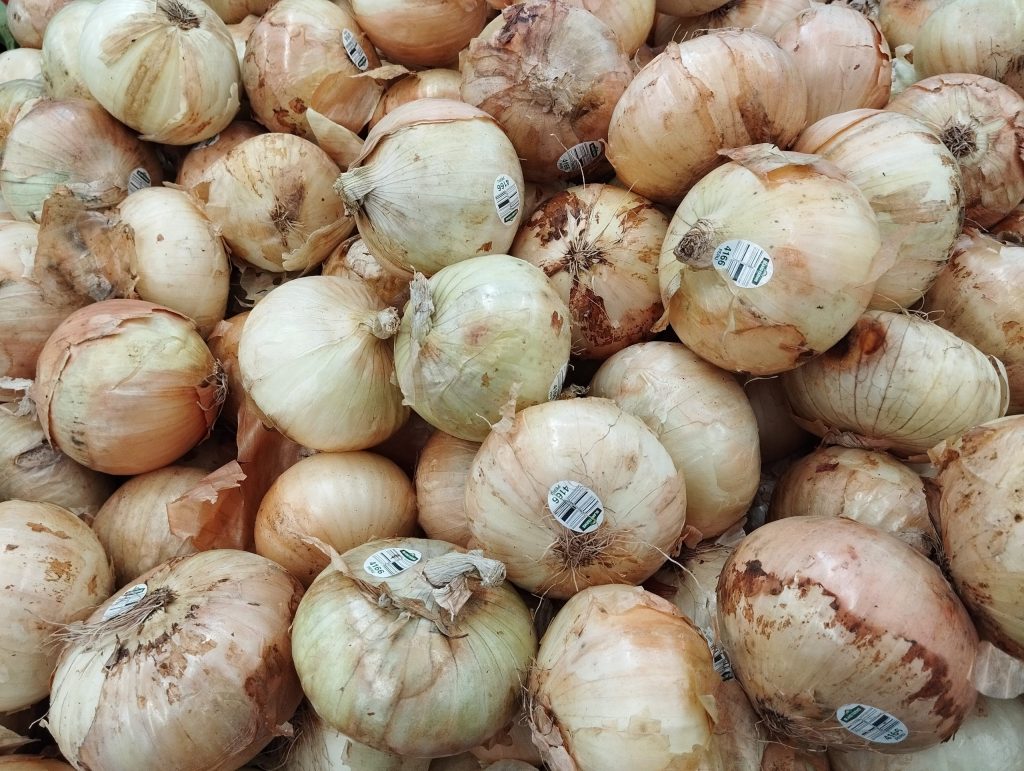
Romeo Recide, a former official of the Department of Agriculture (DA) ranked onion as the second most important food item needed by Filipino households, next to rice.
In the science world, onions are known as Allium cepa. In the Philippines, it is called locally as “sibuyas” from the Spanish word, cebolla. Production area for onion in the country ranges from 12,000 to 13,000 hectares, with more than 70 percent in the province of Nueva Ecija. It is also grown in Ilocos Sur and Norte, Mountain Province, Cotabato, Negros Oriental, Masbate, Cebu, Misamis, and Iloilo.
Unfortunately, onions are very susceptible to armyworm infestations resulting in huge income loss to the farmers.
In 2021, Philippine Daily Inquirer reported that armyworms ravaged 700 hectares of onion farms in Bayambang, Pangasinan. Although onion farmers already spent too much on pesticides, they were not able to control the armyworms.
Armyworms, commonly known as harabas, attack onion from its leaves down to the bulb. From its larval to adult growth stages, armyworms eat onion leaves and bulbs usually in the late cooler hours of the night or early morning, at unprecedented rates.
Thus, the nanobiopesticide discovered by CLSU experts is a boost to onion production in the country.
A farmer needs only 1.2 liters (L) of nanobiopesticide per hectare of onion – or 200 milliliters (mL) per 16 L knapsack sprayer. This application rate is lower compared with the industry’s average chemical application rates, which typically range from 1.62 to 3.65 liters per hectare.
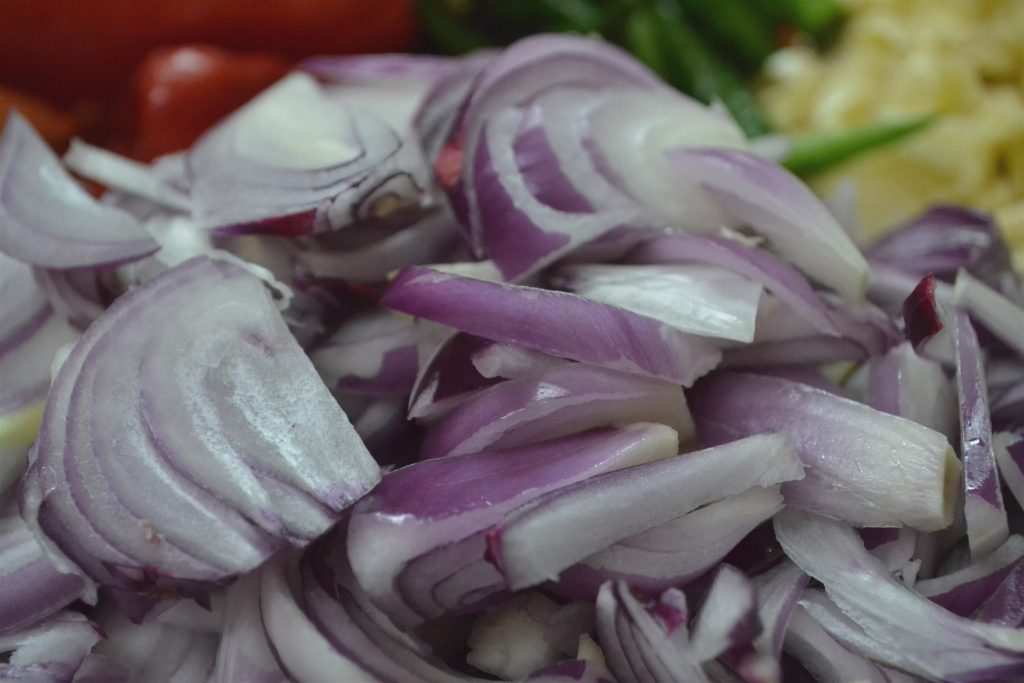
By using the nanobiopesticide, a farmer can increase his onion yield by 28.0%.
“This technology would help decrease chemical pesticide application by 75–100%. It promises a more sustainable and environment-friendly strategy for managing pests of onion,” wrote Thea Mariel N. Valdeavilla and Ofelia F. Domingo, of the Science and Technology Media Services.


 Facebook
 Twitter