
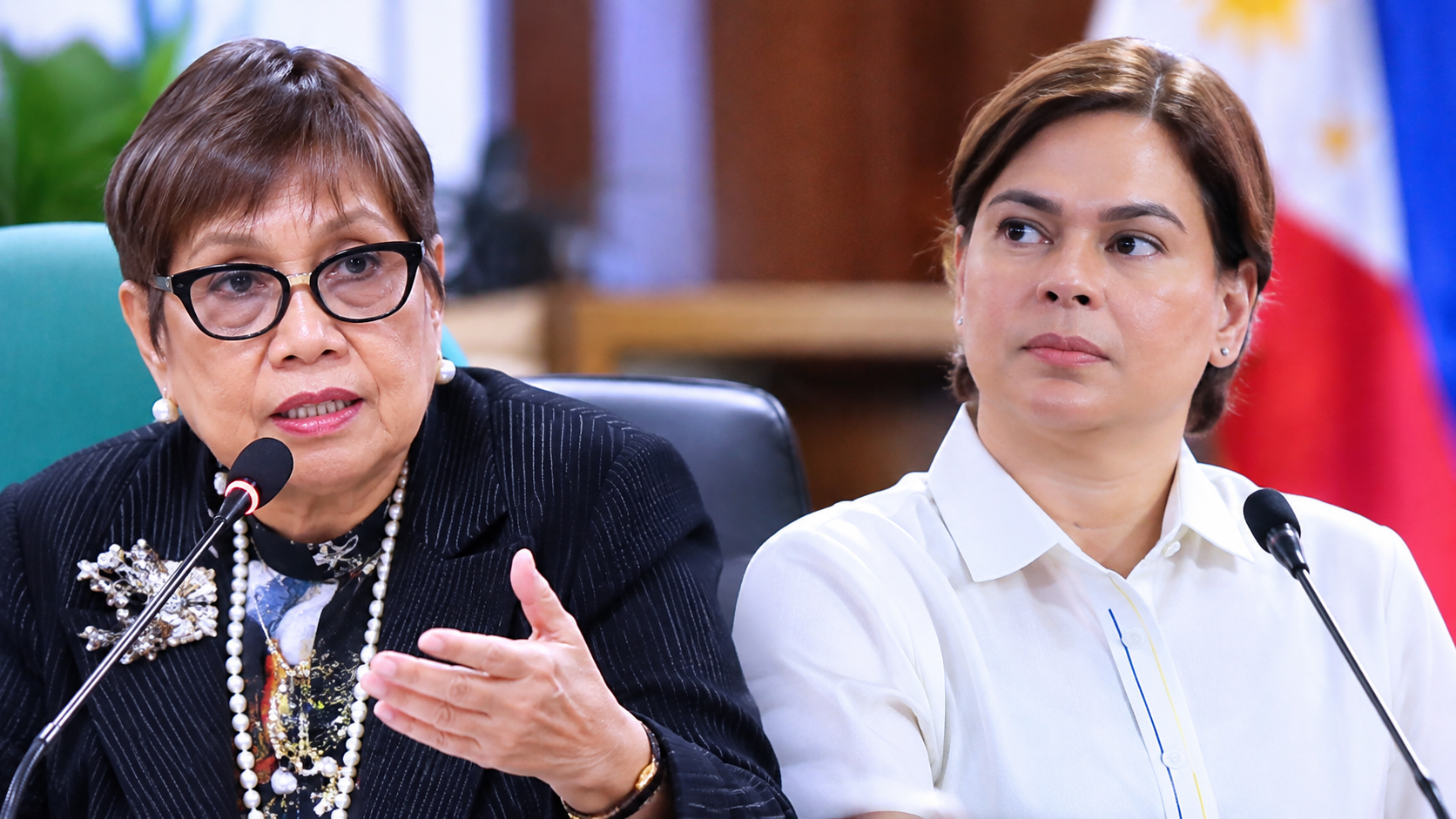
MANILA, Philippines — Sara Duterte signed documents that have become a point of contention in her ongoing impeachment proceedings, prompting lawyer Lorna Kapunan to question the Vice President’s explanation over official papers bearing her signature. Kapunan argued that public officials must understand the contents of documents they sign, raising broader questions about accountability and responsibility in government.
Kapunan’s remarks, featured in an Inquirer.net report dated November 6, came amid the ongoing impeachment proceedings against Duterte, where questions surrounding her financial disclosures and alleged unexplained wealth have become central to the case.
In her statement, Kapunan challenged the idea that a public official could distance herself from a document by claiming unfamiliarity with its contents despite having signed it. She argued that officials seeking public office must understand the responsibilities attached to their signatures.
The issue carries particular significance in the impeachment proceedings because the remaining charge against Duterte involves allegations of unexplained wealth, inaccurate financial disclosures and failure to divest from business interests as required by the Constitution.
Financial records admitted as evidence
The Senate impeachment court recently admitted several categories of prosecution evidence under Article II, including Duterte’s Statements of Assets, Liabilities and Net Worth (SALNs), bank records, tax documents, corporate filings and property records.
The court also admitted financial records involving Duterte’s husband, lawyer Manases Carpio, for consideration in the proceedings.
During the prosecution’s presentation, forensic accounting expert Alexander Cabrera estimated that approximately ₱817.87 million in wealth involving the couple remained unexplained based on his examination of financial records covering 2022 to 2025. He also presented a broader estimate that could reach ₱1.5 billion under less conservative assumptions.
These figures represent the prosecution’s financial findings and remain subject to scrutiny by the defense and the senator-judges.
The impeachment court emphasized that admitting documents into evidence does not establish the truth of the allegations or automatically validate the prosecution’s computations. The weight of the evidence and its implications will be determined by the senator-judges.
What responsibility comes with signing official documents?
Kapunan’s criticism also raises a broader question about the standards expected of government officials when handling official records.
Under Republic Act No. 6713, or the Code of Conduct and Ethical Standards for Public Officials and Employees, public servants are expected to uphold accountability, integrity, professionalism and responsibility in performing their duties.
SALNs, in particular, are sworn declarations that require public officials to disclose their assets, liabilities, net worth and financial interests.
However, whether a particular signature establishes legal responsibility depends on the circumstances, the document involved and the applicable law. A claim of unfamiliarity with a document does not, by itself, establish criminal or administrative liability.
Defense presentation set to resume
The impeachment trial is scheduled to resume on November 9, when Duterte’s defense team begins presenting evidence against the remaining Article II allegations.
The defense is expected to challenge the prosecution’s financial findings and present witnesses and records concerning the Vice President’s properties, business interests and financial circumstances.
The proceedings will determine whether the evidence presented by both sides is sufficient to establish the remaining impeachment charge.
For now, Kapunan’s remarks highlight a broader issue beyond the political dispute: the responsibility that comes with signing official documents, particularly for individuals entrusted with the highest positions in government.

 Facebook
 Twitter