
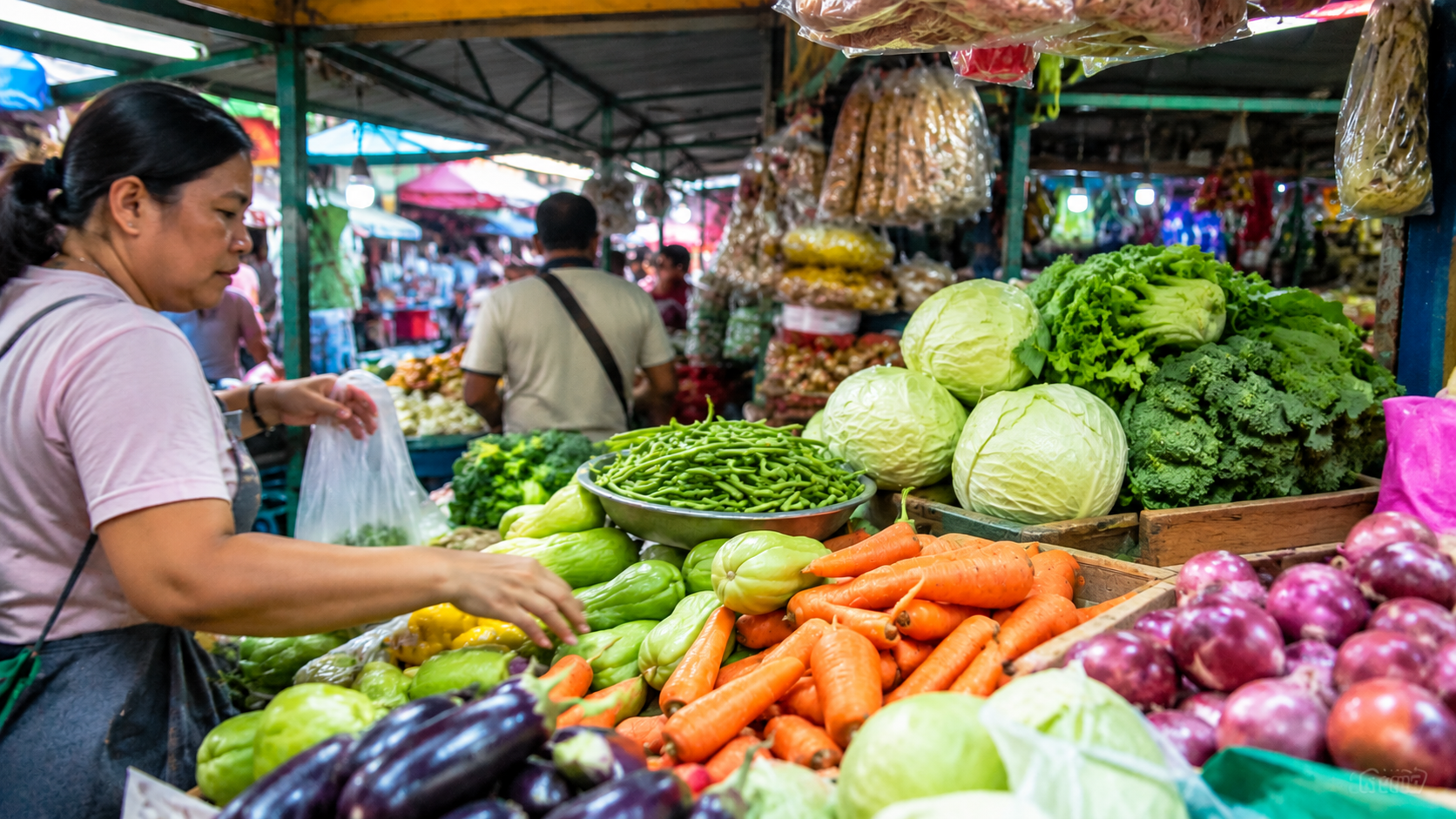
November 2026 inflation in the Philippines could reach as high as 8.2%, according to the latest forecast from the Bangko Sentral ng Pilipinas (BSP), raising concerns over the rising cost of food, electricity, cooking gas and transportation. The projection comes as households continue to face higher living expenses, with Davao Region recording an even higher inflation rate in October.
In its latest month-ahead inflation forecast, the central bank placed November inflation within a range of 7.2% to 8.2%. The upper end of the projection would exceed the 7.8% inflation rate recorded in October, according to the Philippine Statistics Authority (PSA).
The forecast signals continued price pressures across the economy, although the actual November inflation rate will depend on developments in commodity prices, energy costs and agricultural supply.
Higher Electricity and LPG Prices Could Push Inflation Up
The BSP identified higher electricity rates and liquefied petroleum gas (LPG) prices as potential factors that could increase inflation this November.
Electricity is a major household expense, while higher energy costs can also affect businesses that rely on power to operate. Restaurants, manufacturers, retailers and other establishments may face additional operating expenses, which could eventually influence the prices of goods and services.
Higher LPG prices could also place additional pressure on families that depend on cooking gas for their daily meals.
However, the central bank noted that lower domestic fuel prices could help ease some of the upward pressure on consumer prices.
Favorable supply conditions may also help reduce the prices of essential agricultural commodities, including rice, vegetables, meat and fish.
October Inflation Accelerated to 7.8%
The latest official figures from the PSA showed that Philippine headline inflation accelerated to 7.8% in October 2026, up from 7.2% in September.
This was significantly higher than the 1.7% inflation rate recorded in October 2025.
Among the major contributors to October’s inflation were food and non-alcoholic beverages, which accounted for 2.4 percentage points of the overall rate.
Housing, water, electricity, gas and other fuels contributed another 1.9 percentage points, while transport accounted for 1.8 percentage points.
Transport inflation reached 20.1% in October, compared with 14.6% in September. Meanwhile, inflation for housing, water, electricity, gas and other fuels increased to 9.3% from 8.4%.
These figures highlight how transportation and household utility expenses continue to contribute significantly to the rising cost of living.
Davao Region Records 9.7% Inflation
The inflation situation is particularly concerning in Davao Region, where prices increased faster than the national average.
According to the PSA’s October 2026 regional report, Davao Region’s headline inflation reached 9.7%, up from 8.7% in September.
The region’s inflation rate was among the highest in the country, matching Western Visayas and trailing only the Bangsamoro Autonomous Region in Muslim Mindanao, which recorded 9.9%.
Transportation was one of the biggest sources of pressure, with inflation in the category reaching 24.4% in October.
Housing, water, electricity, gas and other fuels also recorded a 12.5% inflation rate.
Food inflation in Davao Region reached 9.5%, although it eased from 10.5% in September.
Several food categories continued to experience substantial price increases. Rice inflation reached 24.9%, while vegetables recorded an even higher rate of 28.4%.
These figures suggest that households in the region continue to face significant pressure when purchasing basic necessities and paying for transportation.
Rising Prices Could Further Strain Low-Income Families
The impact of inflation can be particularly difficult for families with limited household income because a substantial portion of their budgets goes toward food, transportation and basic utilities.
The PSA also reported that inflation among the bottom 30% of income households in Davao Region reached 12.4% in October, higher than the region’s overall inflation rate of 9.7%.
This indicates that lower-income households are experiencing even greater price pressures.
When the cost of essential goods increases faster than household income, families may be forced to reduce spending on other necessities, delay purchases or adjust their daily budgets.
Small businesses may also face higher expenses for transportation, electricity, raw materials and inventory, potentially affecting their operating costs and profit margins.
BSP Continues to Monitor Inflation Risks
The BSP said it would remain vigilant and assess incoming economic data, particularly developments involving inflation and economic growth.
The central bank is also monitoring developments in the Middle East because international tensions could influence global energy prices and the country’s overall inflation outlook.
While lower fuel prices and improved agricultural supply could help moderate inflation, higher electricity and LPG prices remain potential sources of upward pressure.
For Filipino consumers, the coming weeks will be important in determining whether the latest price increases will continue or begin to ease.
The BSP’s 7.2% to 8.2% projection remains a forecast, not the official November inflation result. The PSA’s forthcoming November report will provide the actual inflation figures and show whether the country’s price pressures have intensified or moderated.

 Facebook
 Twitter