
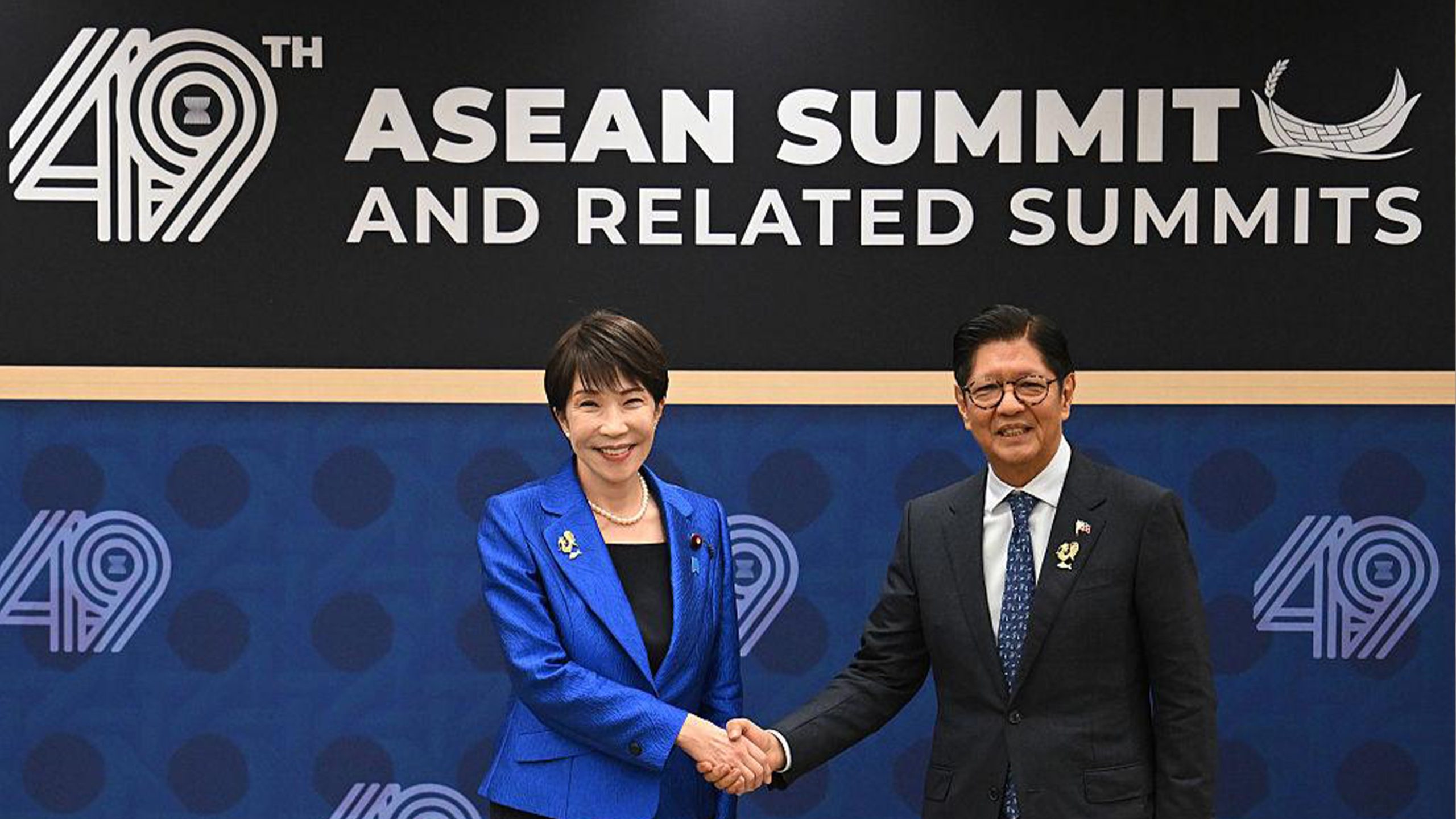
Japan loan to Philippines, amounting to approximately ₱27.9 billion, has drawn attention alongside the government’s ₱22.9-billion allocation for the country’s 2026 ASEAN chairmanship. The two financial developments have sparked discussions about government borrowing, public spending priorities and fiscal accountability, particularly as Filipino households continue to face economic pressures from rising prices.
The two financial developments have attracted attention following the circulation of a viral social media post questioning why the government is borrowing billions of pesos while spending a substantial amount to host international leaders.
However, the Japanese loan and the ASEAN hosting budget serve different purposes and should not be treated as connected expenditures.
Japan Provides ₱27.9 Billion in Emergency Economic Assistance
Japan has committed approximately ¥70 billion, equivalent to around ₱27.9 billion, in emergency financial assistance to the Philippines through a loan agreement designed to strengthen economic resilience and help address rising commodity prices.
The agreement was signed on November 13, 2026, with Philippine Foreign Affairs Secretary Ma. Theresa Lazaro and Japanese Ambassador to the Philippines Katsuro Kitagawa representing their respective governments.
Under the financing arrangement, the loan carries an annual interest rate of 2.7%, a repayment period of 15 years and a five-year grace period.
The financing is intended to support the Philippine government’s UPLIFT program, which seeks to cushion Filipino households and the economy from increasing fuel, food, transportation and other commodity costs.
Japan cited the Philippines’ dependence on the Middle East for approximately 95% of its crude oil and petroleum product requirements as one of the reasons for providing the assistance.
Disruptions in international energy supplies and fluctuations in oil prices can significantly affect the Philippine economy, particularly transportation, electricity generation and the prices of essential goods.
The loan is also aligned with Japan’s broader regional initiative to strengthen energy security and economic resilience across Asia.
Unlike a grant, however, the financial assistance must be repaid by the Philippine government, including the agreed interest.
Philippines Allocates ₱22.9 Billion for 2026 ASEAN Chairmanship
Separately, the Philippine government allocated approximately ₱22.9 billion for activities related to the country’s hosting of the 2026 Association of Southeast Asian Nations (ASEAN) chairmanship.
The allocation covers preparations and operations for the country’s year-long leadership of the regional organization, including major summits, diplomatic meetings, security arrangements and logistical requirements.
The Philippines hosted the 48th ASEAN Summit in Cebu in May and the 49th ASEAN Summit in Metro Manila in November.
The government also handled hundreds of ASEAN-related meetings throughout the year, requiring coordination among various national agencies and local government units.
Among the expenses identified in government explanations were venue improvements, transportation, security, logistical preparations and operational requirements.
The preparations involved several major venues, including the Philippine International Convention Center, Coconut Palace and World Trade Center.
Security was another significant component, with approximately 22,944 police personnel deployed in connection with the summit preparations and activities.
The government has emphasized that the ₱22.9 billion represents the allocated budget and should not automatically be interpreted as the amount already spent.
Different Financial Purposes Behind the Two Amounts
Although the Japanese loan and ASEAN hosting allocation emerged around the same period, their stated purposes are different.
Japan’s financial assistance is intended to support economic resilience and the government’s response to rising prices, while the ASEAN allocation covers the Philippines’ responsibilities as host and chair of the regional organization.
There is no publicly established evidence that Japan’s emergency loan was intended to finance the ASEAN hosting expenses or the country’s presentation to visiting international leaders.
The distinction is important because the viral discussion has combined the two developments into a single political argument.
Nevertheless, the timing has brought attention to broader questions about the government’s financial priorities, borrowing decisions and management of public funds.
Questions Remain Over the Actual ASEAN Spending
While the government has explained the purposes of the ASEAN allocation, questions remain about how much of the approved funding will ultimately be spent and whether the expenditures deliver sufficient value to taxpayers.
Malacañang has indicated that ASEAN-related expenditures will be subject to scrutiny by the Commission on Audit (COA).
A detailed accounting will be important in determining the actual amount spent, the agencies that received the funding and whether procurement and other expenses followed government regulations.
Historical comparisons have also entered the discussion, particularly with the country’s previous ASEAN chairmanship in 2017 under former president Rodrigo Duterte.
However, comparing the two administrations requires caution because budget allocations, actual expenditures and accounting categories are not necessarily the same.
The public needs comparable figures showing appropriations, obligations and actual disbursements before drawing conclusions about how much more expensive the 2026 hosting activities were.
Japan-Philippines Economic Relations Extend Beyond the Loan
The emergency loan also highlights the continuing economic relationship between Japan and the Philippines.
Japan remains one of the Philippines’ important economic partners, with Japanese companies operating across various industries, including manufacturing, infrastructure, electronics and services.
Both countries have an interest in maintaining stable supply chains, reliable energy access and a favorable environment for trade and investment.
The assistance therefore reflects not only Japan’s support for the Philippines but also shared economic interests between the two countries.
For the Philippines, however, the arrangement adds another borrowing obligation that must be managed alongside existing government debt and other financing commitments.
Transparency and Accountability Remain Essential
The debate surrounding the ₱27.9-billion Japanese loan and the ₱22.9-billion ASEAN allocation ultimately raises a larger question about how the government manages public resources.
International assistance can help protect the economy during periods of external uncertainty, while hosting major regional events can strengthen diplomatic relationships and promote the country’s international standing.
But neither objective removes the government’s responsibility to demonstrate that public funds are being used efficiently.
As the Philippines concludes its 2026 ASEAN chairmanship, taxpayers will need clear information about the actual hosting expenses, the results of government-funded preparations and the long-term benefits of the country’s regional leadership.
The Japanese loan must also be evaluated in terms of how effectively it supports its intended economic relief objectives and whether the benefits justify the repayment obligations.
Ultimately, the issue is not simply how much the Philippines borrowed or allocated for ASEAN. It is whether these financial decisions deliver measurable benefits to Filipinos and demonstrate responsible management of public money.

 Facebook
 Twitter