
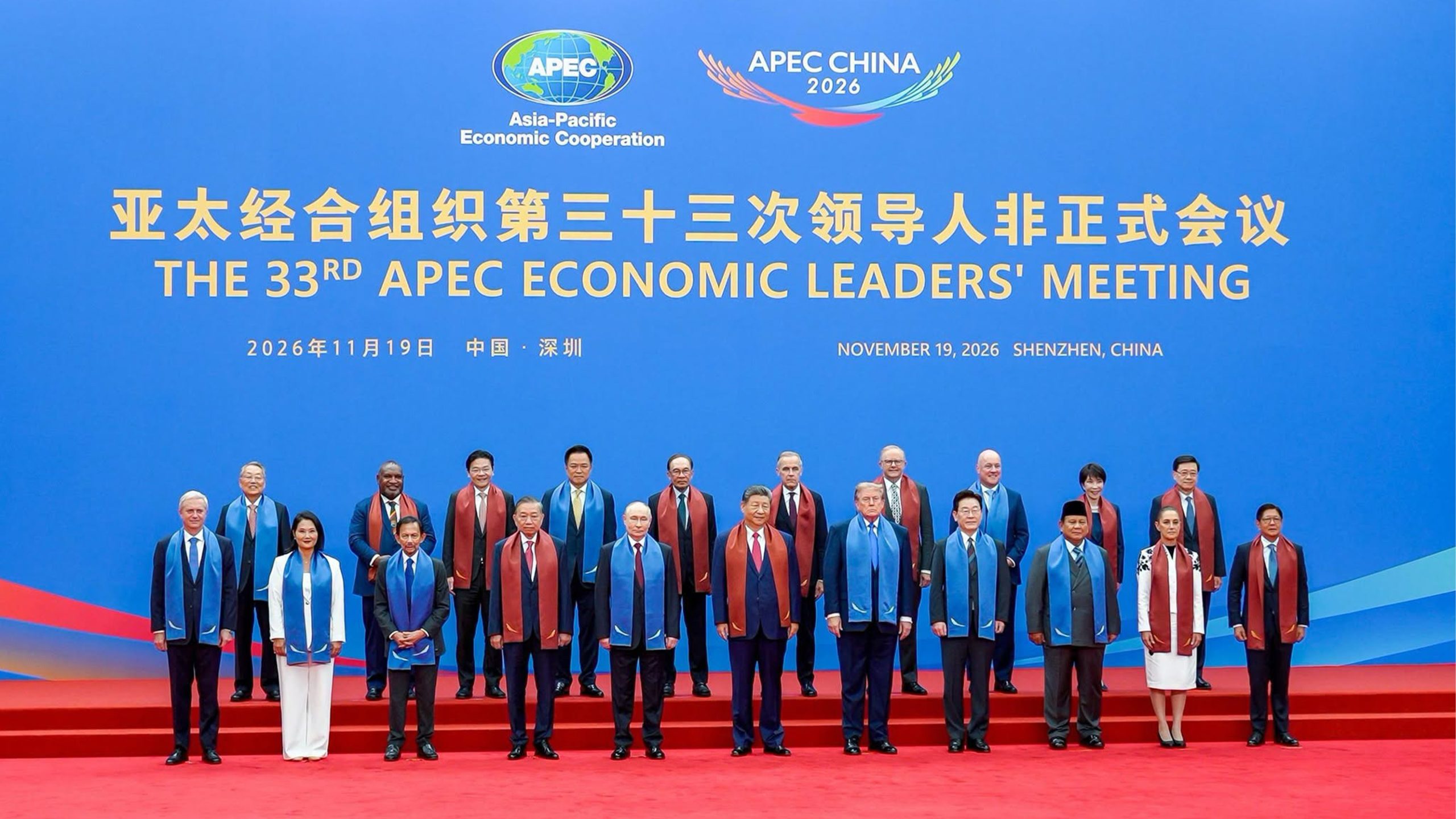
The Philippines’ upper-middle-income status marks a significant milestone in the country’s economic development as President Ferdinand Marcos Jr. joined regional leaders at the 33rd Asia-Pacific Economic Cooperation (APEC) Economic Leaders’ Meeting in Shenzhen, China, on November 19, 2026. The President highlighted the country’s improved economic classification while calling for stronger trade partnerships, more employment opportunities, and greater access to digital technology for Filipino businesses.
In a statement shared on his official Facebook page, Marcos described the country’s economic reclassification as a milestone nearly four decades in the making. He said the Philippines would use its growing economic position to pursue stronger trade relations, create more opportunities for Filipino workers, and help businesses benefit from emerging technologies.
The President also reaffirmed the country’s commitment to strengthening regional cooperation in trade, sustainable fisheries, healthcare, and preparations for changing demographic conditions.
“Our goal is clear. APEC cooperation must deliver real gains for our people through better jobs, stronger businesses, and a more prosperous future,” Marcos said.
Philippines Reaches Upper-Middle-Income Classification
The Philippines’ new economic classification is one of the significant developments highlighted by the President during the international gathering.
The World Bank officially reclassified the country as an upper-middle-income economy on July 1, 2026, marking a major milestone after nearly four decades.
The classification reflects improvements in the country’s gross national income per capita, supported by sustained economic growth, macroeconomic stability, and reforms aimed at strengthening the business environment.
However, the classification does not mean that all Filipinos have experienced higher incomes or improved living conditions. It is based on a country’s average income per person and does not reflect how wealth and income are distributed among households.
The World Bank has emphasized the importance of continuing economic reforms, creating better employment opportunities, and ensuring that economic growth benefits more Filipinos.
Marcos Pushes for More Trade and Employment Opportunities
During the APEC meeting, Marcos emphasized the importance of expanding trade opportunities and opening new markets for Filipino workers, professionals, and businesses.
Stronger economic cooperation among APEC members could help Philippine exporters access larger markets while encouraging investments that support local industries.
The President also highlighted the importance of helping small businesses benefit from artificial intelligence and digital technology.
For micro, small, and medium enterprises (MSMEs), adopting digital tools could improve business operations, increase productivity, and provide access to customers beyond their local markets.
The administration is also seeking stronger cooperation in sustainable fisheries and healthcare, two sectors that remain important to the country’s long-term development.
ASEAN Digital Economy Agreement Supports Regional Opportunities
The Philippines’ participation in the APEC summit also comes after another significant regional economic development.
On November 14, 2026, ASEAN member states signed the ASEAN Digital Economy Framework Agreement (DEFA) in Manila during the 49th ASEAN Summit and Related Summits.
The agreement aims to strengthen digital economic cooperation among Southeast Asian countries, covering areas such as digital trade, electronic payments, cross-border data flows, digital identity, and cybersecurity.
The agreement could provide additional opportunities for Filipino entrepreneurs and MSMEs seeking to expand their products and services into other Southeast Asian markets.
Although DEFA is a separate ASEAN initiative and not an agreement signed at the APEC summit, it reflects the Philippines’ broader efforts to strengthen its position in the regional digital economy.
Philippine Exports and Investment Prospects
The government has also pointed to the country’s export performance as evidence of its growing economic opportunities.
According to the Presidential Communications Office, Philippine exports reached a record $84.5 billion in 2025.
The administration hopes to build on this performance by attracting more foreign investments, expanding access to international markets, and strengthening the competitiveness of local industries.
Participation in APEC provides the Philippines with an opportunity to engage with major economies and discuss areas of cooperation that could support trade and investment.
However, translating these opportunities into actual economic benefits will depend on continued reforms, business competitiveness, infrastructure development, and the ability of local industries to participate in international markets.
APEC Cooperation and the Philippines’ Economic Future
The 33rd APEC Economic Leaders’ Meeting brought together representatives of the organization’s 21 member economies to discuss regional economic cooperation.
China hosted the 2026 meeting under the theme “Building an Asia-Pacific Community to Prosper Together,” with priorities covering openness, innovation, and cooperation.
Discussions included trade and investment, artificial intelligence, digital transformation, connectivity, sustainable development, and other shared economic challenges.
For the Philippines, these discussions provide an opportunity to strengthen partnerships with neighboring economies and promote initiatives that support local businesses and workers.
While the country’s new upper-middle-income classification represents an important economic milestone, the bigger challenge is ensuring that the progress translates into better-paying jobs, stronger businesses, and improved living conditions.
Marcos said the Philippines would continue working with APEC economies to ensure that regional cooperation delivers practical benefits for Filipinos.
The country’s economic progress will ultimately be measured not only by its international classification but also by the opportunities and improvements experienced by ordinary Filipino families.

 Facebook
 Twitter