
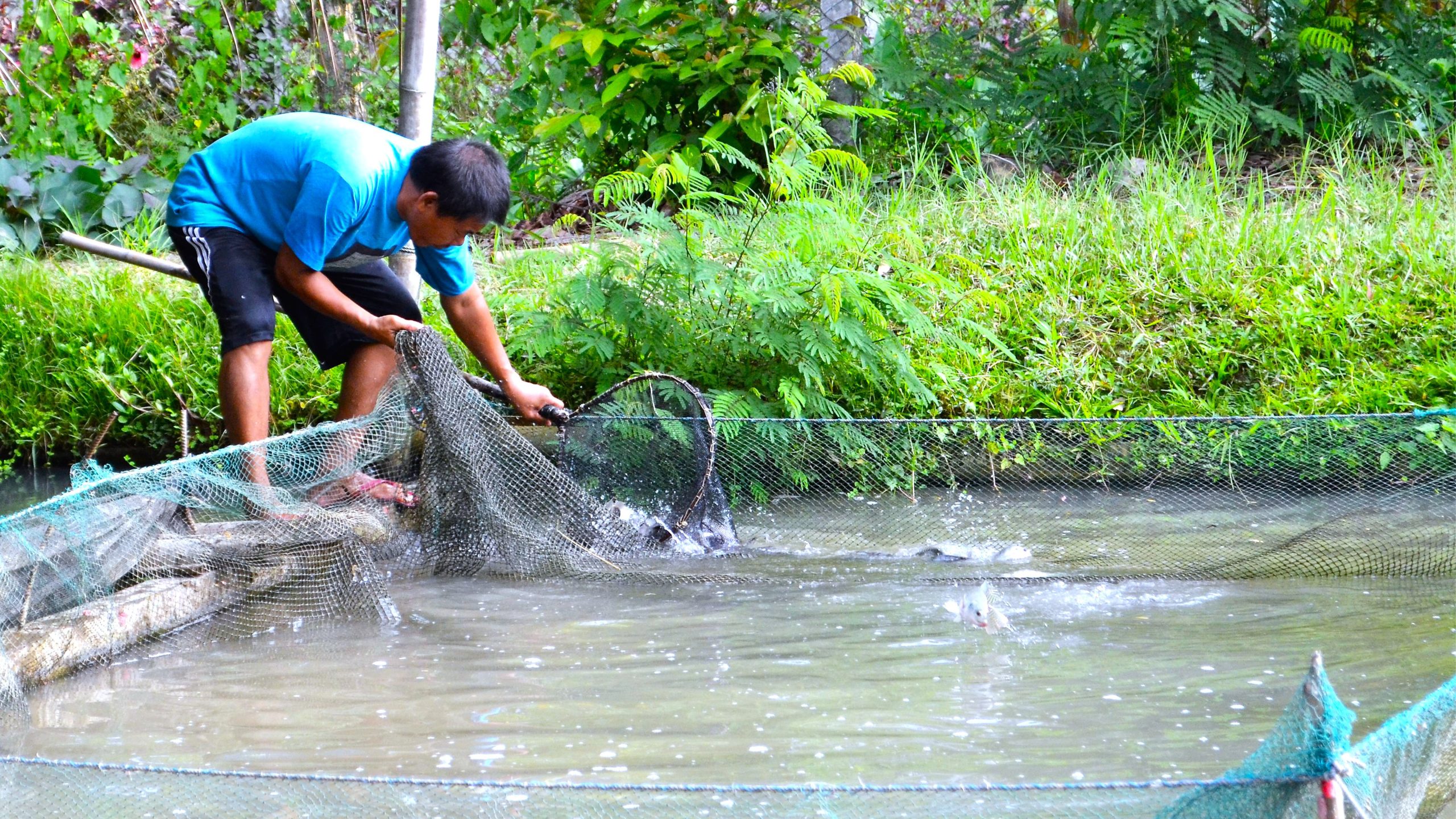
Tilapia in the Philippines is now the second most important fish in the country after bangus, with fish pens common in major rivers and lakes nationwide.
(Second of Two Parts)
Tilapia is now the second most important fish in the Philippines – after bangus. Tilapia fish pens are a common sight in almost all the major rivers and lakes in the country, including Laguna de Bay, Taal Lake, and Lake Sebu.
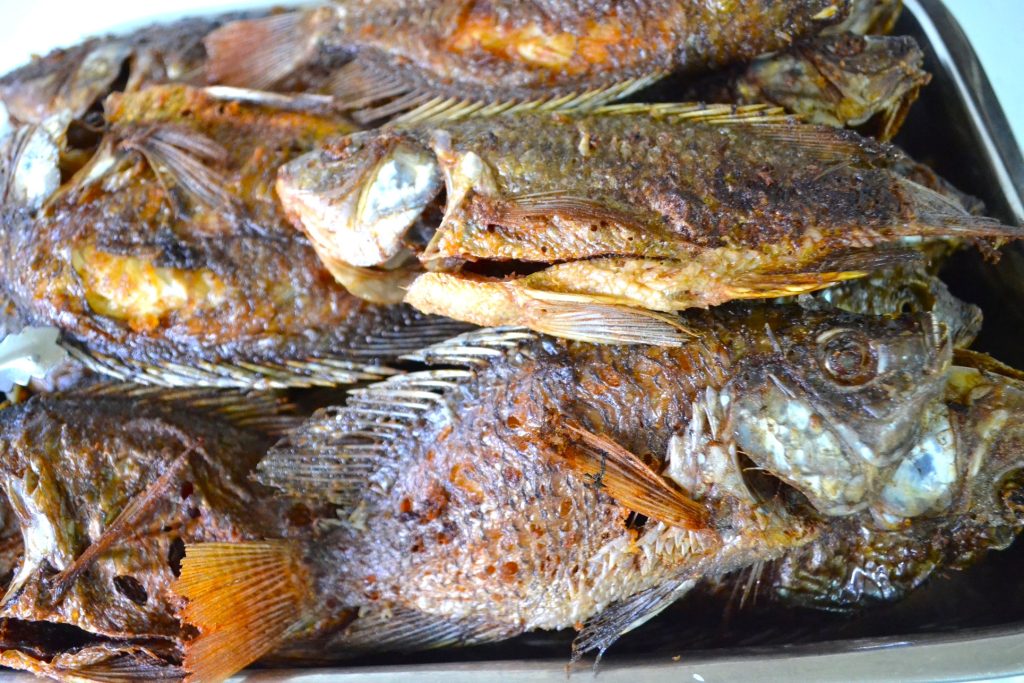
Tilapia is very popular among Filipinos who cooked the fish in different ways, including fried, grilled, sinigang (a sour soup using tamarind, santol, guava or calamansi as a base) and paksiw (similar to sinigang only it uses vinegar).
Dr. Rafael D. Guerrero III, the man who popularized tilapia in the Philippines, touted tilapia as the “country’s wave of the future.” As he puts it, “We are now one of the world’s leading producers of tilapia.”
“Filipinos have relied on tilapia as a staple and cheap source of fish protein since it was introduced in the Philippines in the 1950s,” said Dr. William D. Dar when he was still the secretary of agriculture. “Over the past two decades, we have seen an exponential growth of the tilapia industry as it continues to produce one of the most important aquaculture commodities in the country.”
According to Dr. Guerrero, tilapias are among the easiest and most profitable fish to farm. “The tilapia has good attributes that make it suitable for aquaculture,” he says. “It matures early, breeds readily and is a hardy fish.”
Ten strains of tilapia are domestically produced. The most popular breeds are iExcel strain which the Bureau of Fisheries and Aquatic Resources (BFAR) is distributing; the FAC (freshwater aquaculture center) or FAST (FAC selected tilapia strain) of the Central Luzon State University (CLSU); the GIFT Excel 2022, also from CLSU; and Genomar strain by Genomar Philippines.
Other popular breeds are the SEAFDEC strain for brackishwater produced by the Southeast Asian Fisheries Development Center; Improve brackishwater enhance tilapia (IBEST); and the new hybrid Molobicus which is grown for high-saline water.
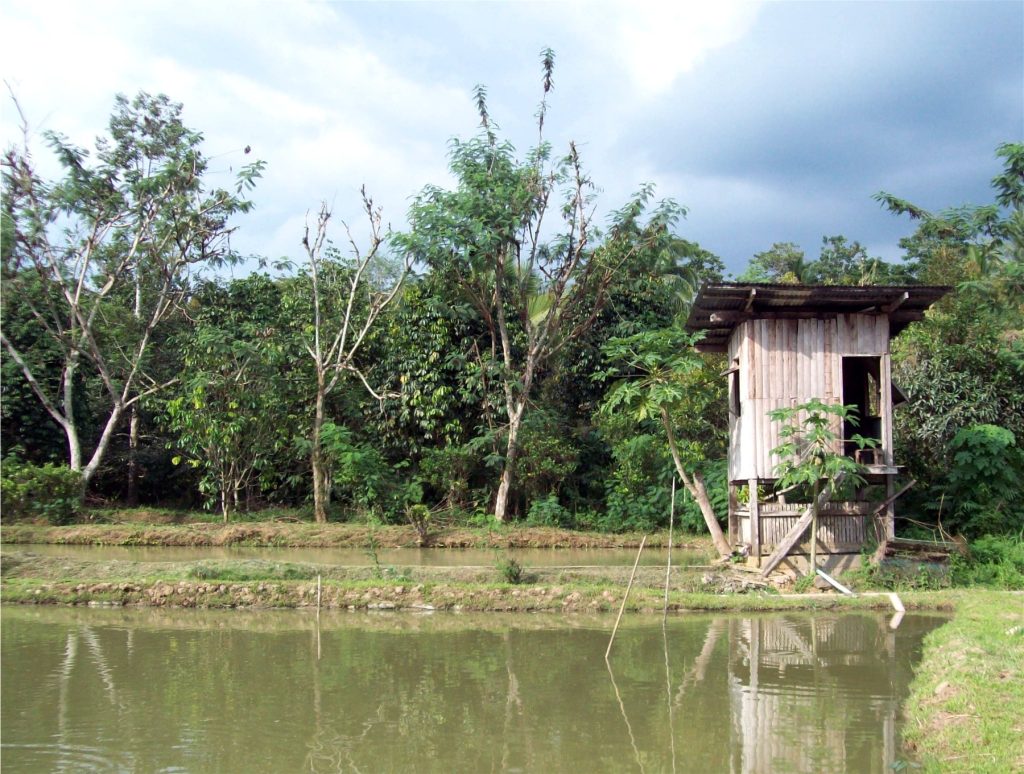
Jodecel Danting, the chief of the National Freshwater Fisheries Technology Center under the Bureau of Fisheries and Aquatic Resources (BFAR), indicates that the predominant approach to tilapia farming in the nation involves the use of fish ponds, particularly through extensive systems or backyard cultivation. The semi-intensive system encompasses fish ponds ranging from one to ten hectares in size.
According to data from BFAR, as of 2023, there are a total of 725 hatcheries dedicated to tilapia farming, with 161 being government-operated and 564 managed by private entities.
Grow-out farms have reached 60,056 farms located around the country. Most of the grow-out farms are located in Regions II, III and in Cordillera Autonomous Region. Meanwhile, there are around 15 processors of tilapia operating nationwide and 48 aquafeed millers that are manufacturing tilapia feeds.
Several forms can be made out of the whole tilapia. Such examples are live, fresh, frozen (whole gutted), dried, and smoked. Meanwhile, fillet form, fresh and frozen fillet are the common products that are sold in the markets.
In terms of pulp and minced parts, value added products such as surimi, nuggets, tofu, tocino, siomai, longganisa, kroepeck, quekiam, ice cream and tilapia bagoong can be processed out of pulp and minced flesh of tilapia. In addition, leather and gelatin can be produced out of tilapia skin.
The Alsons Aquaculture Corporation (AAC) is the country’s largest processor and exporter of premium quality bangus. But in recent years, it has branched out to raising other types of fishes, including tilapia.
The AAC started raising tilapia in 2017 and now it occupies about 80% of the company’s 320 hectares of ponds in Alabel, Sarangani. “Tilapia is now one of the preferred fishes of Filipinos,” says Jerico S. Pascual, vice president of the company’s manufacturing processed foods. “If we find growing bangus a challenge, so will raising tilapia, too.”
In the five years AAC has been raising tilapia, it has found tilapia to produce better yield compared with bangus. “We sell about 4 thousand tons of tilapia per year,” Pascual points out.
Most of the tilapia they produce are being sold in General Santos City and Davao City. Some of the produce go as far as Bukidnon and Cagayan de Oro. “We have local buyers here. We also have distributors,” he says.
AAC gets its tilapia fry from Finfish Hatchery, Inc., a sister company. “We are using sexually reversed tilapia,” he says. “That’s the work of the hatchery before we get them.”
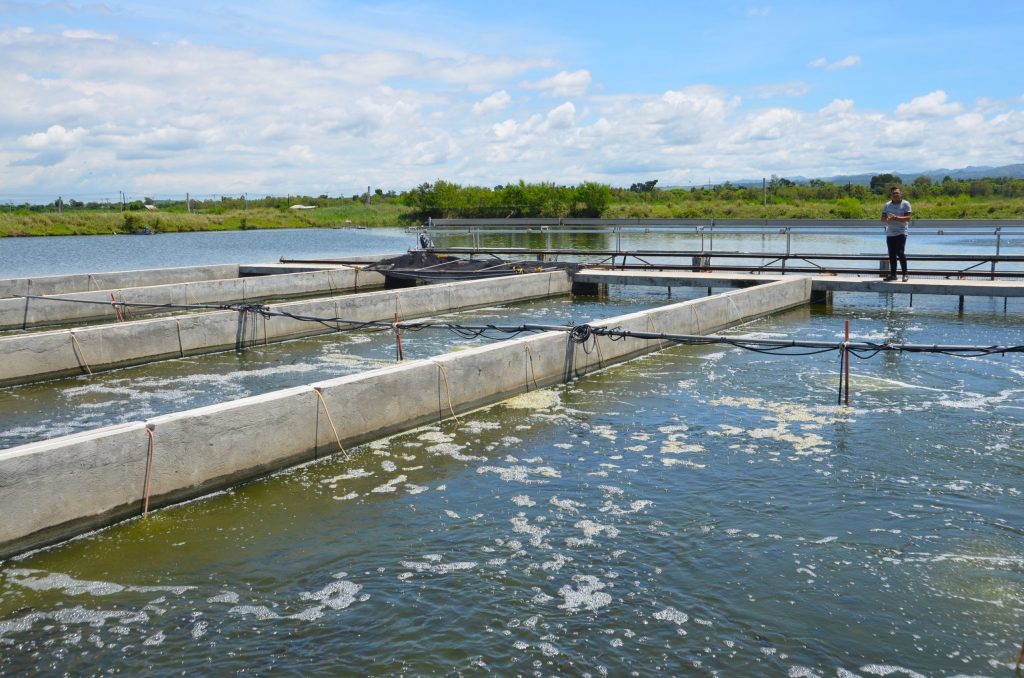
Currently, the AAC is experimenting using the in-pond raceway system (IPRS) in its aquaculture ponds located in Maribulan, Alabel, Sarangani. This marks the inaugural implementation of such a system in the Philippines.
The introduction of IPRS to AAC was facilitated by the U.S. Soybean Export Council (USSEC), which emphasizes the importance of distinguishing and enhancing preference while securing market access for soybean utilization in human consumption, aquaculture, and livestock feed across over 80 countries worldwide.
The construction of the pond commenced in 2020 and consists of four cells, each with a volume of approximately 220 cubic meters. These four cells are situated within a two-hectare pond area, which has a water depth of two meters.
After a duration of ten months, the system became operational.
“The IPRS system allows us to maintain higher densities of fish within a recirculating water system,” explains Israel M. Mosquera, the manager of the ACC Grow-out Operations.
“The water is continuously circulated around the pond by a water impeller, which enhances the oxygen levels in the water and generates a current that facilitates circulation throughout the system. This capability enables the system to support fish culture at high densities.”
According to him, phytoplankton and other microorganisms that live in water which perform photosynthesis are crucial for sustaining the ecological balance of the pond.
About 10.5 million gallons of water are utilized in the pond, which has the capacity to support 380,000 tilapia fingerlings.
“The tilapia are ready for harvest after approximately five months,” Mosquera says, adding that the fish typically weigh between 350 grams and 500 grams.
The IPRS, as stated earlier, is recognized as an environmentally sustainable approach to tilapia farming. This method has the potential to decrease solid waste accumulation in the pond by concentrating and extracting it from the downstream section of the raceway units.
“In our technology, we have a solid waste collection system installed at the end of the cell,” Mosquera says. “It connects to the sedimentation tanks to allow the water to clear up. The water is then sent to the plant trough or the canal, where aquatic plants are growing. Those plants absorb the residual waste. The clean water is then returned to the pond and recirculated to the cells.”
When inquired about the benefits of IPRS beyond those previously discussed, Mosquera highlights several key points: the system achieves exceptionally high productivity, requires less labor, facilitates year-round fish cultivation, and represents an advanced technology that enhances productivity while minimizing environmental impact.
At the outset of the project, IPRS entails a significant initial investment. However, Mosquera asserts, “If you understand and adhere to the operational principles of the system, the returns will ultimately be favorable.”
He further emphasizes that this technology enables increased production with reduced resources.
There was a time when a study conducted in the United States showed that eating tilapia was not good for those with heart problems. “Cardiologists are telling their patients to go home and eat fish, and if the patients are poor, they’re eating tilapia. And that could translate into a dangerous situation,” said the researchers from the Wake Forest University School of Medicine.
The university study showed that farm-raised tilapia, one of the most highly consumed fish in America, has very low levels of beneficial Omega-3 fatty acid and, perhaps worse, very high levels of Omega-6 fatty acids, researchers claimed.
The researchers claimed the combination could be a potentially dangerous food source for some patients with heart disease, arthritis, asthma and other allergic and auto-immune diseases that are particularly vulnerable to an “exaggerated inflammatory response.” Inflammation is known to cause damage to blood vessels, the heart, lung and joint tissues, skin, and the digestive tract.
In an article which appeared in the Journal of the American Dietetic Association, the researchers claimed that tilapia has higher levels of potentially detrimental long-chain Omega-6 fatty acids than 80-percent-lean hamburger, doughnuts and even pork bacon.
Dr. Floyd Chilton, a professor of physiology and pharmacology and the director of the Wake Forest Center for Botanical Lipids, told the American media that eating tilapia is worse than bacon.
“For individuals who are eating fish as a method to control inflammatory diseases such as heart disease, it is clear from these numbers that tilapia is not a good choice,” Dr. Chilton was quoted as saying. “All other nutritional content aside, the inflammatory potential of hamburger and pork bacon is lower than the average serving of farmed tilapia.”
Let’s take a closer look at the comparison. Tilapia has 26 grams of protein while bacon has a measly 0.07 gram. Tilapia’s fat content is three grams compared to 100.76 grams for bacon. In addition, tilapia is an excellent source of phosphorus, niacin, selenium, vitamin B12, and a good source of potassium. Bacon, on the other hand, contains 1,000 milligrams of sodium, 166 milligrams of cholesterol, and enough possible carcinogenic nitrites to make pregnant women think twice.
“Tilapia is not necessarily worse just because it contains less Omega-3 than salmon and more Omega-6 than bacon,” said Dr. Eliza Mei Perez Francisco, a nutrition support physician at St. Luke’s Medical Center. “It still has many nutritional benefits and cannot be judged solely on its potential to cause inflammation.”
Take note that the American researchers are focusing on farmed tilapia. “In a fish-farming situation, the fish that you get depends on what they are fed,” explained Dr. Chilton, who headed the study. “We must feed animals the correct foods. Animals become what we feed them, and we become what we eat as well. The food chain is fairly consistent.”
Dr. Guerrero seems to agree. “It is true that farmed tilapia has lower Omega-3 fatty acids than marine fish that feed on natural food (algae) in the ocean compared to tilapia fed in ponds and cages using feeds containing corn,” he explained. “But this applies more in the United States. In the Philippines, we feed our tilapia with rice bran and soybean meal that contain less Omega-6 fatty acids.”
On the controversy which tilapia has created a stir among health buffs, Dr. Guerrero said, “There is still a controversy or disagreement among nutritionists with regard to the right balance of Omega-6 and Omega-3 which we both need in our diet. More studies are needed.”
Meanwhile, Danting sees a brighter future for tilapia. In an interview with Marid Agribusiness Magazine, he said, “I am seeing a higher production and better quality of tilapia in the coming years since our farms are already compliant with the good aquaculture practices. Consumers are already prioritizing tilapia value-added products.
“Maybe in the next few years, we can see our tilapia can compete in international markets. I believe that tilapia will remain as the ‘fish for all’ because of its affordability and stability in supply,” he concluded.


 Facebook
 Twitter