
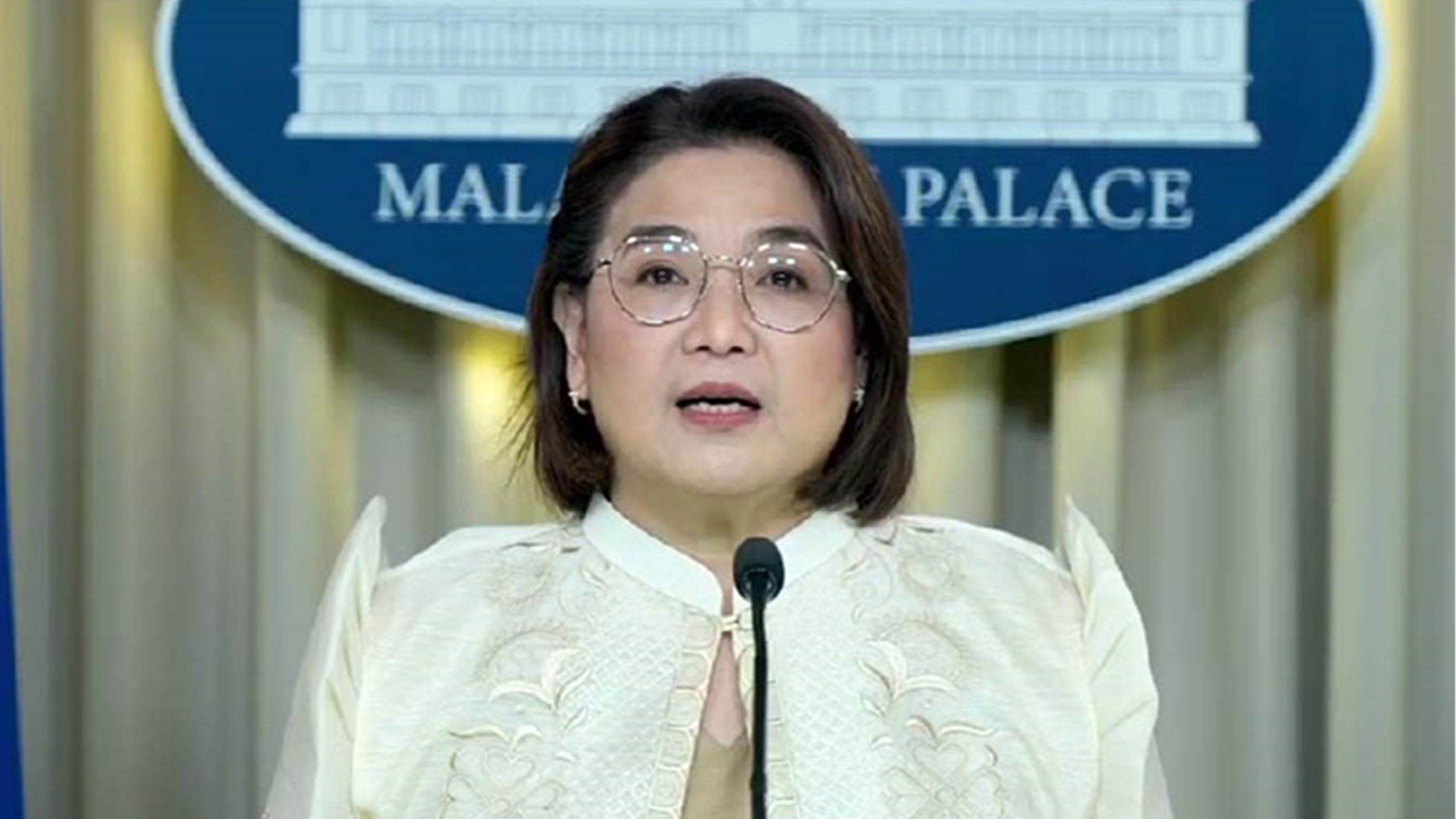
MANILA — State of national emergency Philippines scenario is being considered as oil prices continue to rise, prompting authorities to assess measures that could address the growing impact of fuel costs on consumers and key industries.
Presidential Communications Office Undersecretary Claire Castro said the possibility of declaring a national emergency remains under consideration, particularly if the situation worsens and begins to significantly disrupt economic stability. The statement comes as global oil prices continue to rise, affecting pump prices across the country.
According to Castro, the government is closely monitoring developments in the energy sector and is prepared to act should conditions require more decisive intervention. She noted that while no declaration has been made, authorities are keeping all options open to mitigate the effects of escalating fuel costs.
“The President may declare a state of national emergency if the situation calls for it,” Castro said in an interview, emphasizing that such a move would depend on the severity of the economic impact and the broader national interest.
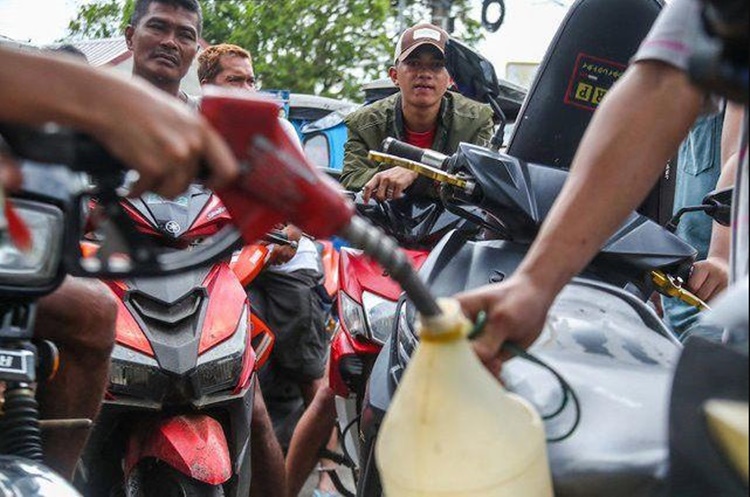
Fuel prices in the Philippines have been increasing in recent weeks, largely driven by global supply concerns and geopolitical tensions. As an import-dependent country, the Philippines is particularly vulnerable to fluctuations in international oil markets, which directly affect transportation costs, food prices, and overall inflation.
Government officials have acknowledged that further increases in pump prices may be unavoidable in the short term. However, they stressed the importance of coordinated efforts between the public and private sectors to cushion the impact on ordinary Filipinos.
Castro also called on businesses to act responsibly amid the situation, urging them to avoid imposing excessive or unreasonable price increases on consumers. She underscored the need for cooperation, especially as many households are already facing financial strain due to rising living costs.
“There is a need for shared responsibility during this period,” she said, adding that both the government and private sector must work together to prevent further burden on the public.
Economic analysts note that a potential declaration of a national emergency could allow the government to implement additional measures, such as price controls, subsidies, or emergency powers to stabilize supply and manage inflation. However, they also point out that such actions would need to be carefully calibrated to avoid unintended economic consequences.
Meanwhile, transport groups and consumer advocates continue to call for targeted assistance, including fuel subsidies and financial aid, to help those most affected by the price hikes. Public utility vehicle drivers, in particular, have raised concerns about declining income as fuel expenses continue to rise.
The government has yet to outline specific steps tied to a possible emergency declaration, but officials assured that contingency plans are in place. These may include expanded social support programs and closer monitoring of market prices to prevent abuse.
As global oil markets remain volatile, authorities are expected to maintain close coordination with industry stakeholders and international partners. For now, the focus remains on managing the immediate effects of rising fuel costs while preparing for potential escalation.
The situation continues to evolve, with officials reiterating that any decision to declare a state of national emergency will be based on careful assessment of economic conditions and the welfare of the Filipino public.

 Facebook
 Twitter