
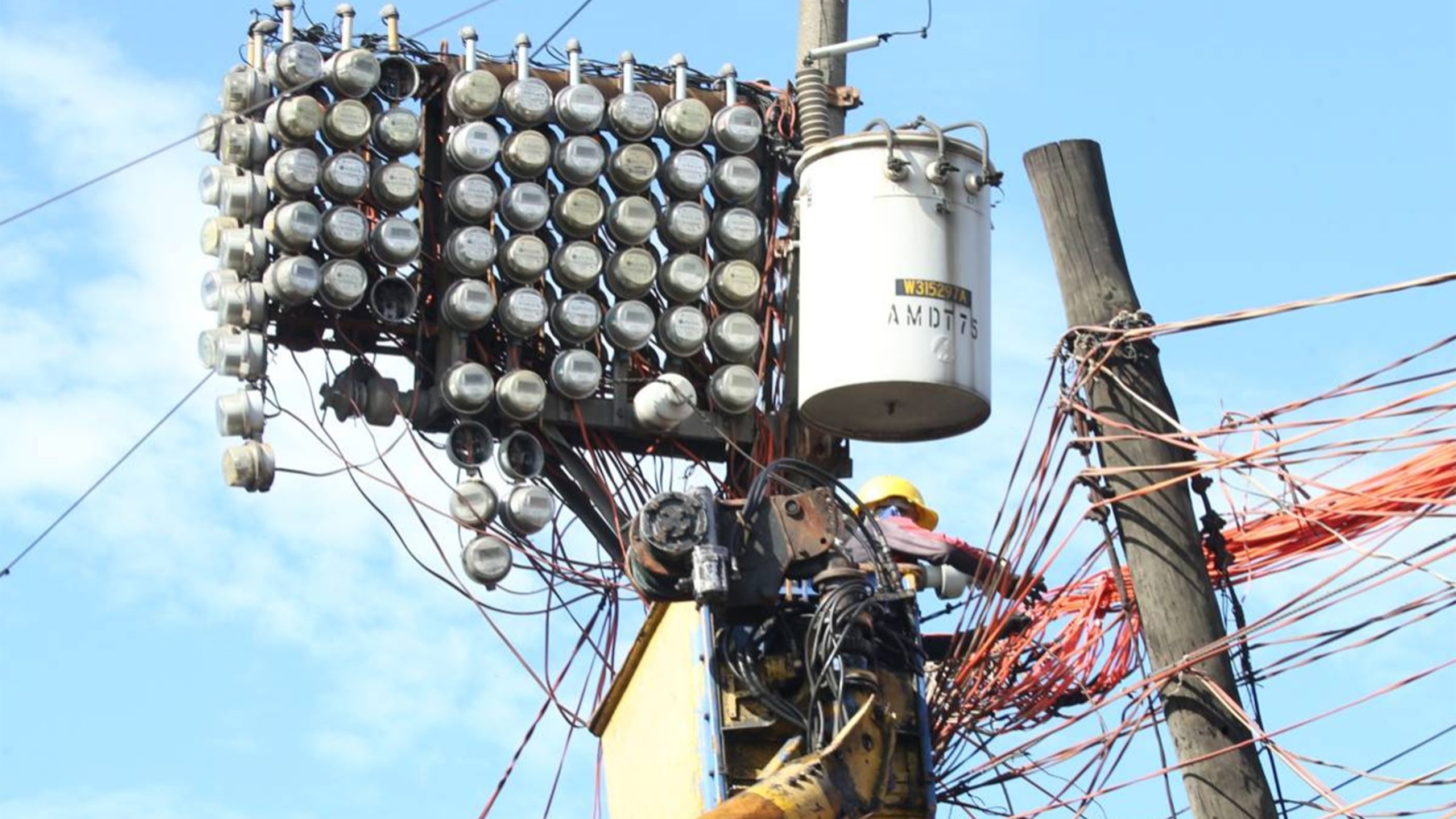
Electricity prices Philippines are projected to climb in the coming months as rising global oil costs begin to affect power generation, raising concerns over higher household and business electricity bills.
Consumers may feel the pressure particularly during the hot season, when electricity demand typically rises due to increased use of cooling appliances. Industry regulators warn that the combined effect of higher fuel costs and seasonal demand could lead to noticeable increases in monthly power bills.
The Energy Regulatory Commission (ERC) said the surge in global oil prices has triggered a ripple effect on the cost of fuel used by power plants, including oil, coal, and natural gas. These fuels remain a major component of the country’s energy mix, making electricity rates sensitive to global market fluctuations.
“We are seeing upward pressure on electricity prices due to higher fuel costs in the global market, especially with ongoing geopolitical tensions affecting supply,” an energy official said in a recent interview.
Higher shipping costs have also contributed to the expected increase, as transporting fuel to the Philippines becomes more expensive. This adds another layer of cost that power producers may pass on to consumers.
The Independent Electricity Market Operator of the Philippines (IEMOP), which oversees the Wholesale Electricity Spot Market (WESM), noted that electricity prices could rise by around P2 to P4 per kilowatt-hour depending on market conditions and demand levels. This projection reflects both the volatility in fuel prices and the anticipated increase in electricity consumption during warmer months.
“If demand continues to rise alongside fuel prices, we may see higher clearing prices in the spot market, which can influence overall electricity rates,” a market analyst explained.
Energy experts said that while the increase is driven largely by external factors, there are ongoing efforts to stabilize supply and mitigate the impact on consumers. These include improving energy efficiency, encouraging the use of renewable energy, and enhancing grid reliability.
However, the country’s dependence on imported fuel remains a key challenge. Any disruption or price spike in global supply chains can quickly translate into higher domestic electricity costs.
Officials also urged consumers to adopt energy-saving practices to help manage their electricity bills during this period. Simple measures such as reducing unnecessary appliance use, switching to energy-efficient devices, and optimizing air conditioning settings can make a difference.
“Consumers play a role in managing their consumption. Small changes in daily habits can help offset the impact of rising electricity prices,” the official added.
As the situation continues to evolve, regulators said they will closely monitor developments in the global energy market and implement necessary measures to ensure fair pricing and adequate power supply.
For now, households and businesses are advised to prepare for possible increases in electricity costs, particularly during peak demand periods, as global oil price trends continue to influence the local energy sector.

 Facebook
 Twitter