
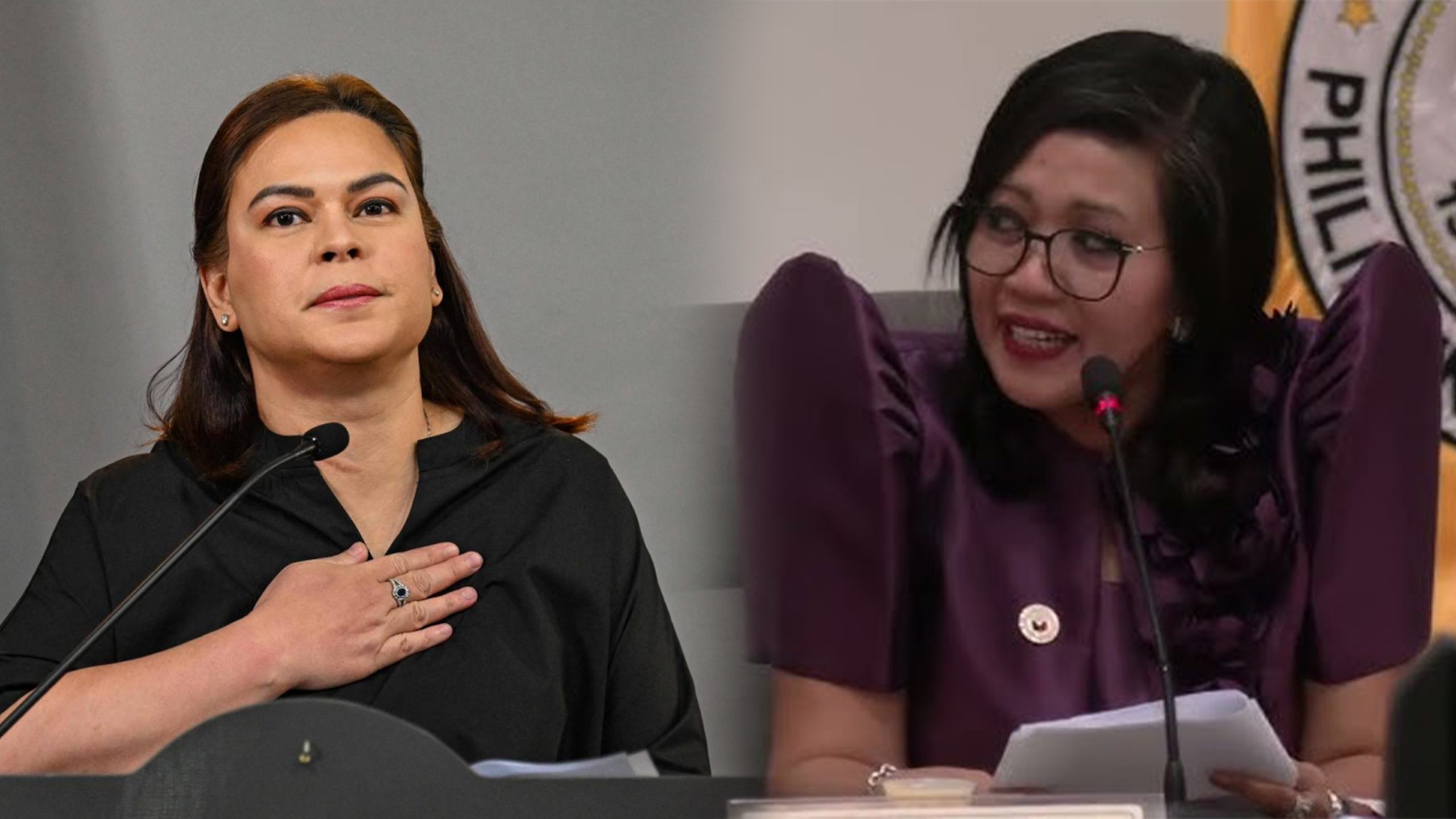
Sara Duterte impeachment hearing developments took a sharp turn as the Vice President declined to attend a House committee probe, choosing instead to focus on urgent national concerns, including the situation of overseas Filipino workers affected by tensions in the Middle East.
Vice President Sara Duterte on Wednesday declined to attend a scheduled House committee hearing on an impeachment complaint against her, instead framing her absence as a deliberate move to prioritize pressing national concerns, including the ongoing Middle East crisis affecting overseas Filipino workers.
In a statement released ahead of the House Justice Committee’s proceedings, Duterte said she would not participate in what she described as a politically driven process, emphasizing that her office would focus on “more urgent matters” impacting Filipinos. The hearing was part of the preliminary determination of the sufficiency in form and substance of an impeachment complaint filed against her.
Duterte’s decision marks a notable moment in the early stages of the impeachment process, which requires congressional scrutiny before any formal trial in the Senate. While her absence does not halt proceedings, it underscores a broader tension between the executive and legislative branches, particularly as political alignments shift ahead of future electoral cycles.
Observers noted that Duterte’s stance appears to signal a strategy of distancing herself from what she perceives as partisan maneuvering. Some political analysts suggest this could be aimed at maintaining public support by positioning herself as focused on governance rather than political conflict. Others, however, argue that skipping the hearing may raise questions about accountability and willingness to address allegations directly.
The impeachment complaint itself stems from allegations that have yet to be fully deliberated in Congress. Under the Constitution, the House of Representatives has the sole power to initiate impeachment cases, with the Justice Committee tasked to evaluate whether complaints meet procedural and substantive requirements. If deemed sufficient, the case could move to plenary voting and potentially to a Senate trial.
Public reaction has been mixed. Some netizens expressed support for Duterte’s decision, echoing her call to prioritize national issues such as the welfare of Filipinos abroad. Online discussions highlighted concerns about the safety of overseas workers amid escalating tensions in parts of the Middle East. Others, however, questioned whether her absence could be interpreted as avoiding scrutiny, with critics calling for transparency in addressing the অভিযোগ.
The Vice President’s office has yet to indicate whether she will engage at a later stage of the process. Meanwhile, lawmakers involved in the proceedings have reiterated that the committee will continue its evaluation based on constitutional mandates, regardless of her participation.
The development comes at a time when public trust in institutions remains a key issue, with governance, accountability, and responsiveness under close watch. Duterte’s move places emphasis on the balance between addressing political challenges and responding to immediate national concerns—a dynamic that could shape both the trajectory of the impeachment process and broader political discourse in the months ahead.

 Facebook
 Twitter