
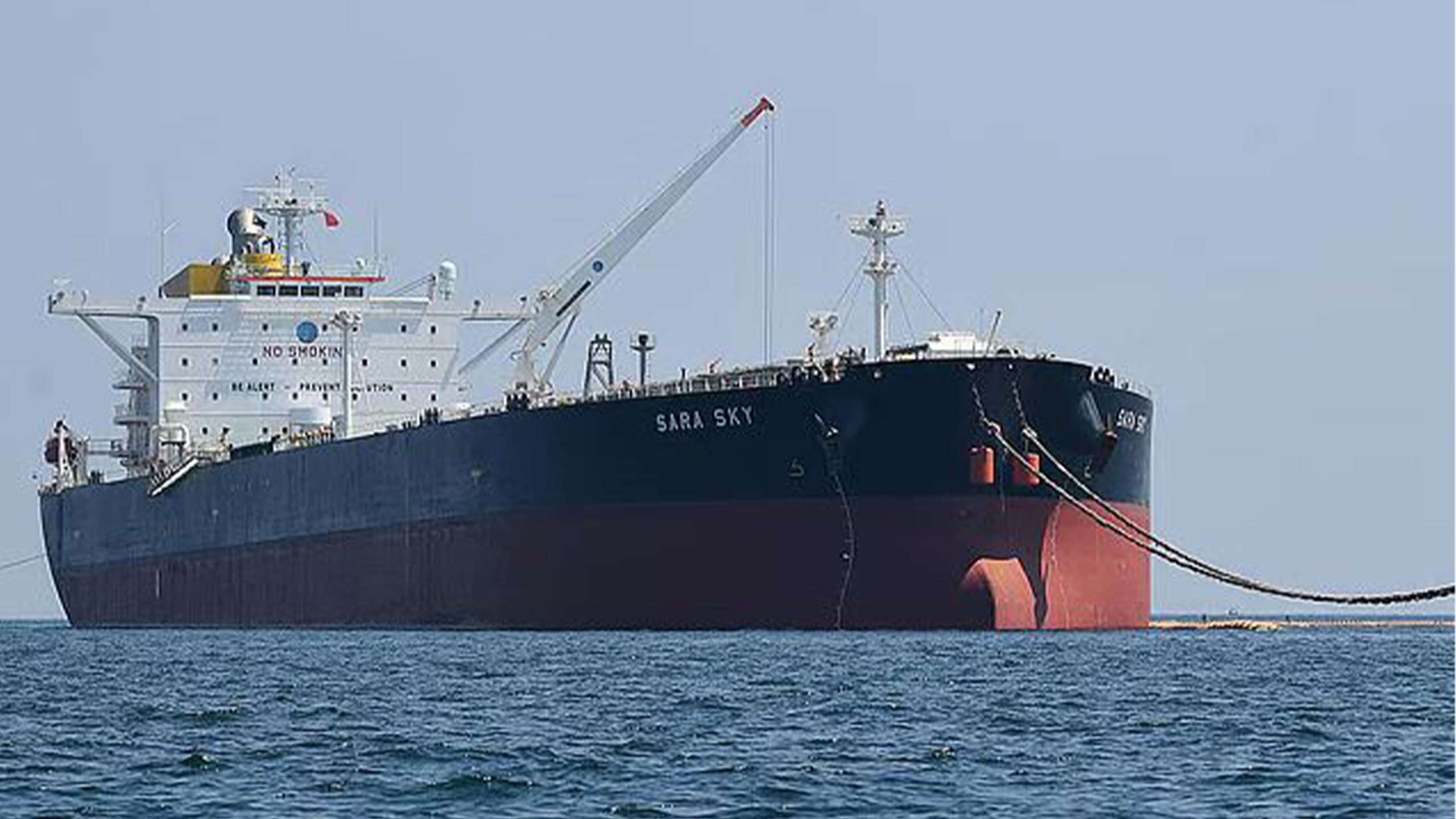
Russian oil shipment Philippines developments have drawn renewed attention after a tanker carrying discounted crude arrived as the country faces tightening supply and elevated fuel prices, highlighting urgent concerns over energy security and sourcing strategies.
A fresh shipment of Russian crude has arrived in the Philippines at a time when the country is grappling with tightening energy supply and rising fuel costs, prompting renewed scrutiny over sourcing strategies and long-term energy security planning.
Industry sources confirmed that a tanker carrying Russian oil recently docked in Philippine waters, marking another instance of the country turning to discounted fuel amid global market volatility. The development comes as local pump prices remain elevated and concerns over supply stability continue to affect both consumers and businesses.
While the Philippines does not impose formal sanctions on Russian energy imports, the move highlights a delicate balancing act between economic necessity and geopolitical considerations. Analysts note that Russian crude has become attractive to several Asian markets due to its lower price, offering short-term relief to countries heavily dependent on imported fuel.
The Department of Energy (DOE) has previously acknowledged that local oil firms are free to source supplies from any country, provided they comply with Philippine laws and international regulations. Officials have emphasized that diversifying suppliers is part of ensuring adequate fuel availability, especially during periods of global disruption.
Observers, however, point out that reliance on opportunistic imports could expose the country to long-term risks. Some energy experts argue that while discounted oil can temporarily ease inflationary pressures, it does not address structural vulnerabilities in the Philippines’ energy sector, including heavy import dependence and limited domestic production.
Online discussions have also surfaced mixed reactions. Some netizens welcomed the move, citing potential relief in fuel prices, while others raised concerns about transparency and the broader implications of sourcing oil from geopolitically sensitive regions. Questions have also emerged regarding how such transactions may affect the country’s international partnerships.
The Philippines imports more than 90 percent of its oil requirements, making it particularly sensitive to global price swings. In recent years, the government has pushed for increased investment in renewable energy to reduce reliance on fossil fuels. However, transitions remain gradual, and fossil fuels continue to dominate the country’s energy mix.
In previous statements, DOE officials stressed the importance of maintaining a stable supply chain. “Our priority is to ensure that there is enough supply in the market to prevent shortages,” an official said, noting that price and availability remain key considerations for industry players.
Meanwhile, economists warn that while sourcing cheaper oil may help temper inflation in the short term, external factors such as currency fluctuations and global demand could still drive prices upward. The peso’s performance against the US dollar, in particular, remains a critical factor in determining local fuel costs.
The arrival of Russian oil underscores the broader challenge facing the Philippines: balancing immediate economic relief with long-term energy resilience. As global energy dynamics continue to shift, policymakers are expected to face increasing pressure to accelerate reforms, strengthen local capacity, and reduce exposure to external shocks.

 Facebook
 Twitter