
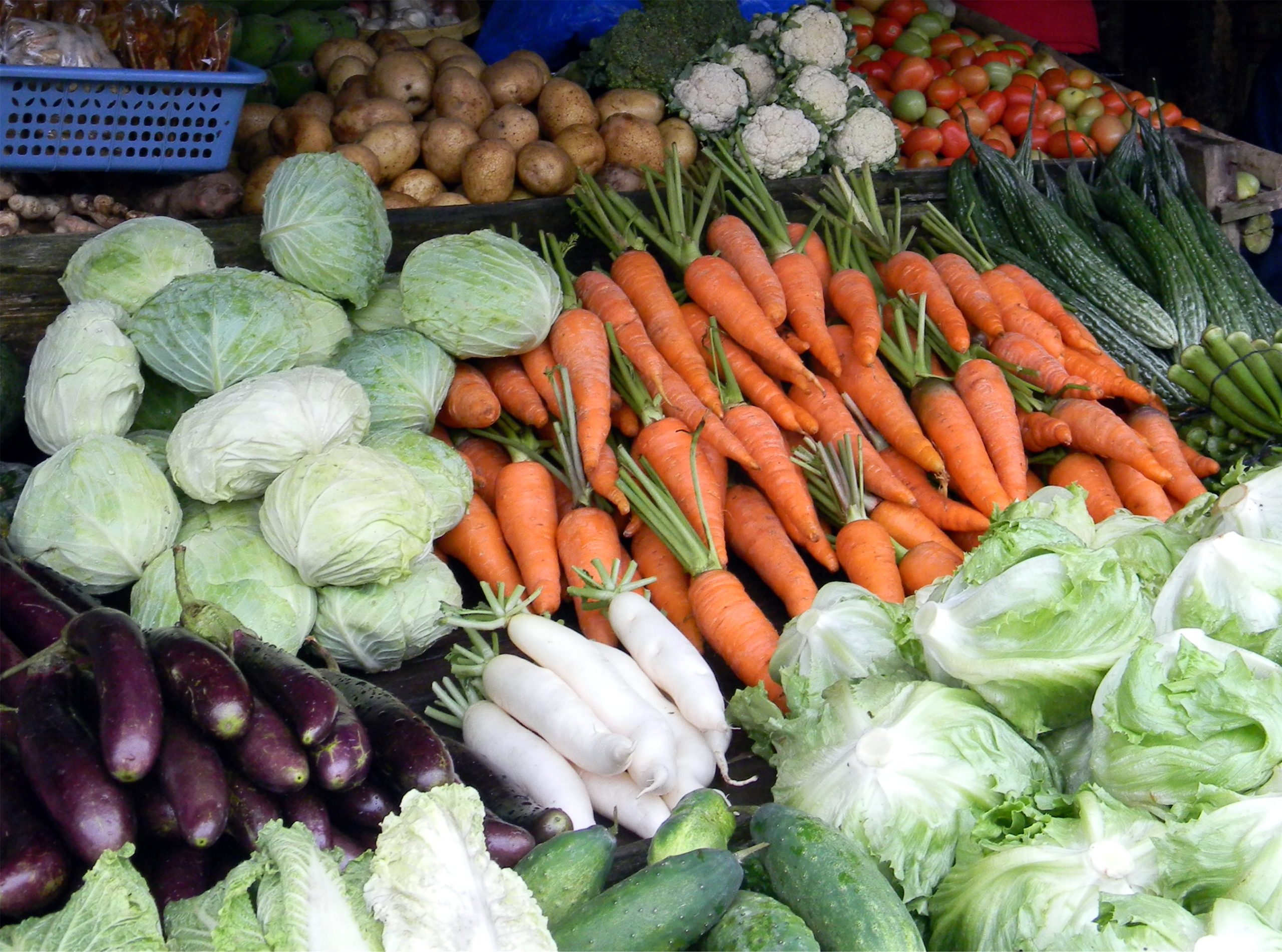
Healing foods continue to gain attention as more people look for natural and affordable ways to support their health amid the rise of chronic illnesses and emerging diseases worldwide.
Despite advanced science and medical breakthroughs, diseases continue to take its toll on human beings. Every now and then, new diseases are reported; those that have been reported to be curtailed are staging a comeback.
For every medicine discovered, two new ailments emerge. But nature has provided us medicines that are not only safe but also affordable. They are available in our kitchens, gardens, or tables.
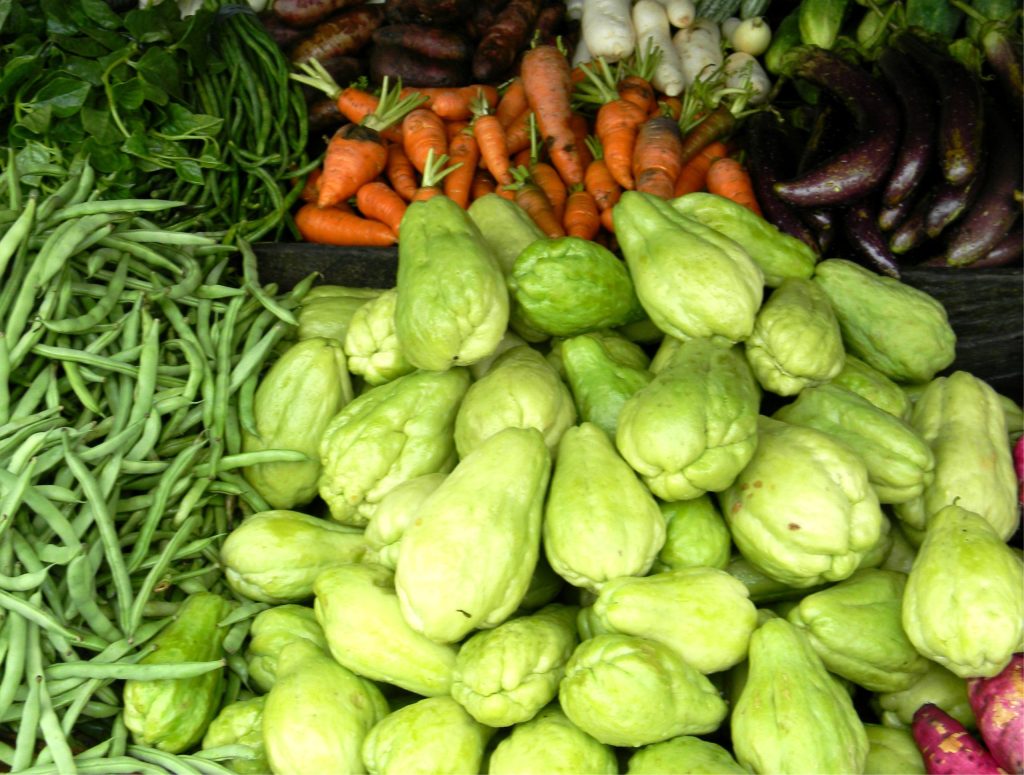
Take the lowly sayote (scientific name: Sechium edule). The leaves and fruit have diuretic, cardiovascular and anti-inflammatory properties, and a tea made from the leaves has been used in the treatment of arteriosclerosis and hypertension, and to dissolve kidney stones.
Due to its purported cell-regenerative properties, it is believed as a contemporary legend that sayote caused the mummification of people from the Colombian town of San Bernardo who extensively consumed it. The very well preserved skin and flesh can be seen in the mummies today.
What is in a sayote fruit? Upon analysis, its edible portion per 100 grams gives 94 percent moisture, 19 percent calories, 0.4 gram protein, 0.1 gram fat, 4.9 grams carbohydrates, and 0.6 gram fiber. Also found in the fruit in small amounts are calcium, sodium, thiamine, vitamin A, riboflavin, ascorbic acid, and niacin.
Since it is loaded with nutrients, sayote is often used as food for those affected with calamities. Northern Luzon journalist Johnny Fialen considered sayote as “the survivor’s vegetable.” His explanation: “The sayote has several times served an important role during calamities in the region. Sayote was used to help victims in the areas affected by the 1990 killer earthquake that severely ravaged, among others, Baguio City.”
Another food that can save a lot of people from starvation during bad times is sweet potato (called locally as “camote” but known in the science world as Ipomoea batatas). Although perceived as a “poor man’s food,” it is the most nutritious food of all vegetables, according to the Washington, D.C.-based Center for Science in the Public Interest.
American nutritionists found that camote has “almost twice the recommended daily allowance of vitamin A, 42 percent of the recommendation for vitamin C, and four times the recommended daily allowance for beta carotene.”
Having high dietary fiber and low fat content, camote is suitable for diabetics because it helps stabilize blood sugar levels and lowers insulin resistance. Among the root vegetables, camote has the lowest glycemic index. As such, it causes only a small rise in blood glucose level.
The roots are not the only edible part of camote but also the leaves and tops. Nutritionists claim the leaves and tops contain high amounts of antioxidants, vitamins, minerals, and dietary fiber.
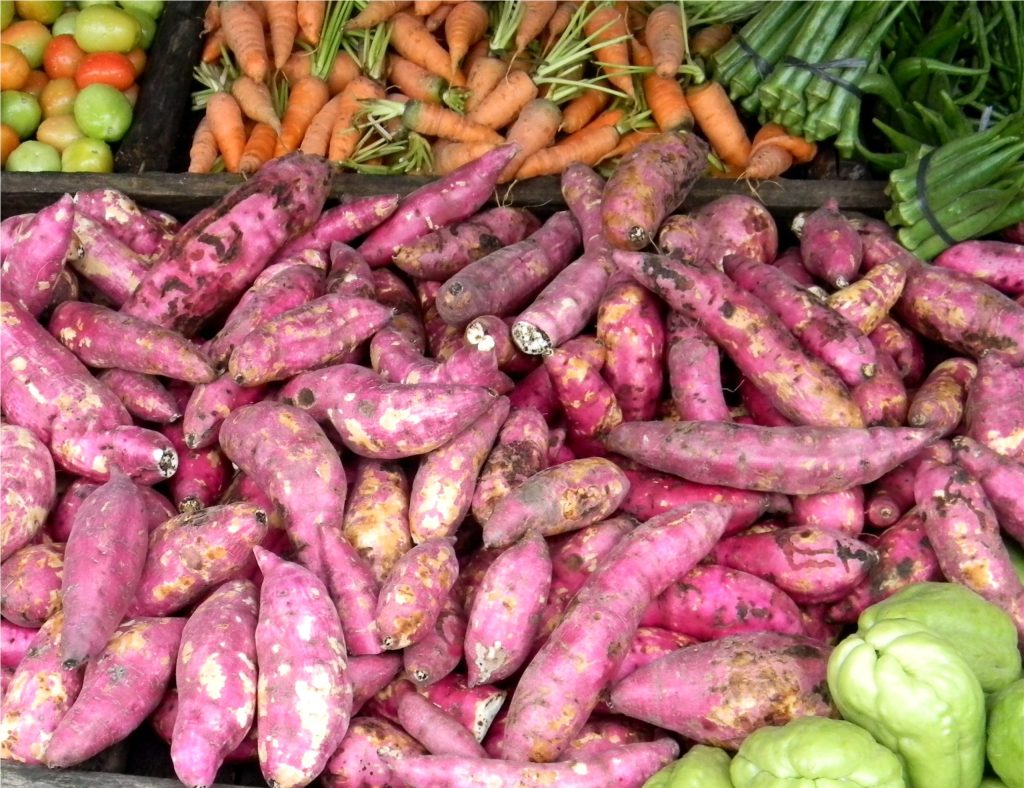
In a study by nutritionist Richard Baybutt of Kansas State University, it was reported that smokers exposed to benzoapyrene, a cancer-producing chemical in cigarettes, were deficient in vitamin A that contributed to lung inflammation and emphysema. Thus, the consumption of foods high in vitamins like camote is recommended to correct such deficiency.
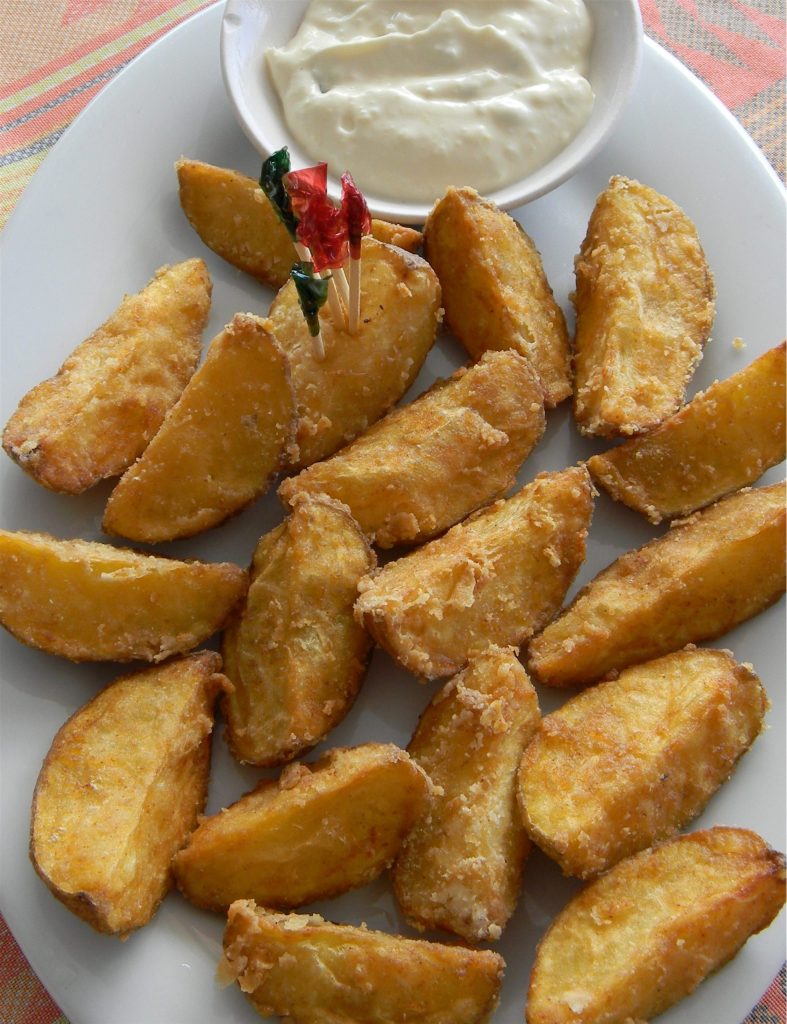
After the camote, there’s potato. “The potato contains high quality protein and substantial amounts of essential vitamins, minerals, and trace elements,” says Potatoes for the Developing World, published by the International Potato Center (CIP). “Raw cereals and beans yield substantially more energy than potatoes, but the difference is much less if comparisons are made on a cooked basis.”
“The average amount of potato protein required for maintenance of nitrogen balance in adults is similar to the amount in an egg, and is less than that required in many other foods including beef, tuna fish, wheat flour, soybean, rice, corn, and beans,” the CIP book notes. “If a whole egg has a protein score of 100, potatoes have a score of 70. This compares with 75 for sweet potatoes and rice and scores of 40 to 60 for wheat, corn, beans, and peas.”
Potatoes are rich in several micronutrients, especially vitamin C – eaten with its skin, a single medium-sized potato of 150 grams provides nearly half the daily adult requirement (100 milligrams).
Not only that, the potato is a moderate source of iron, and its high vitamin C content promotes iron absorption. It is a good source of vitamins B1, B3 and B6 and minerals such as potassium, phosphorus and magnesium, and contains folate, pantothenic acid and riboflavin. Potatoes also contain dietary antioxidants, which may play a part in preventing diseases related to ageing, and dietary fiber, which benefits health.
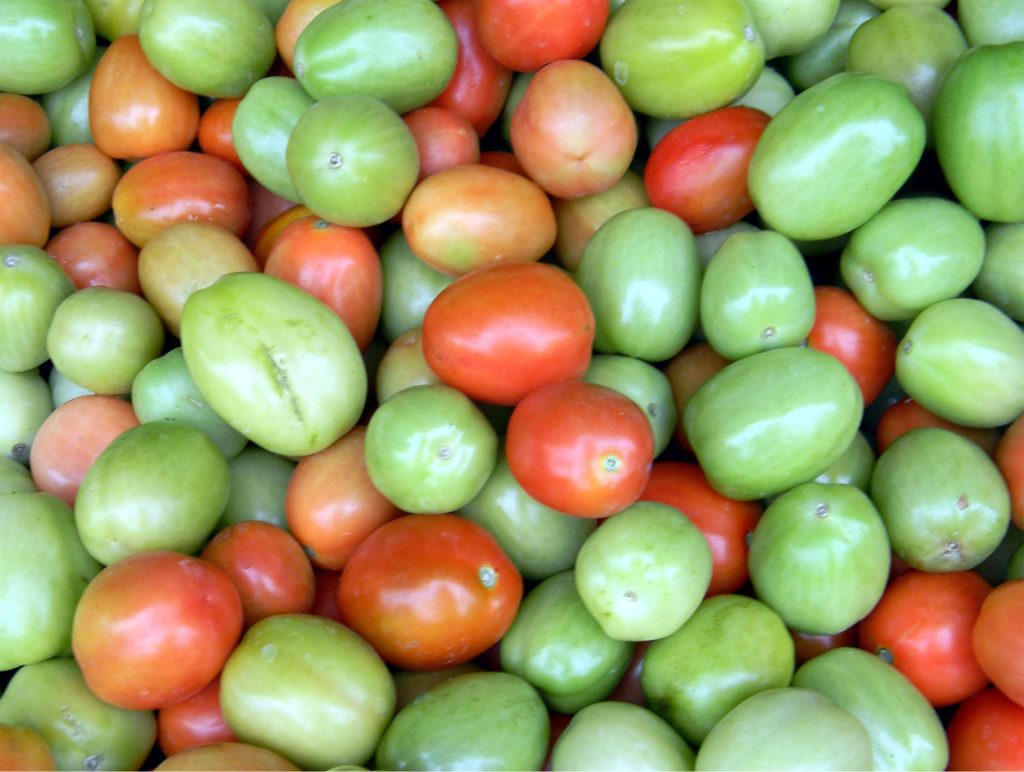
In most parts of the world, tomato (scientifically known as Lycopersicon esculentum) is eaten freely, and its consumption is believed to benefit the heart among other things. It contains lycopene, one of the most powerful natural antioxidant which has been found to help prevent prostate cancer. Lycopene has also been shown to improve the skin’s ability to protect against harmful ultraviolet rays.
In the United States, one large scale study done in Harvard Medical School involving more than 39,000 adults suggested a role of lycopene in the prevention of heart disease. In the said study, they saw an inverse relationship between cardiovascular disease and a diet high in tomato-based products. This suggests that dietary lycopene, consumed in oil-based tomato products, provides cardiovascular benefits.
High blood pressure, or hypertension, is also a risk factor for cardiovascular problems. As such, scientists also tried to look into the beneficial effects of lycopene extracted from tomatoes in bringing down blood pressure. Researchers developed lycopene in soft gel capsules and found that eight weeks of daily intake of the said capsule was linked to a significant drop in both systolic and diastolic blood pressure in patients with mild to moderate hypertension. They assumed that the antihypertensive effect is a result of the antioxidant activity of the tomato extract.
Perhaps those who are getting older should eat a lot of tomatoes. A new compound discovered in tomato plants is 14 times higher than a well-known antioxidant which delays aging. Not only that, the powerful natural antioxidant is 4.5 times more potent than vitamin E and 10 times more potent than vitamin C.
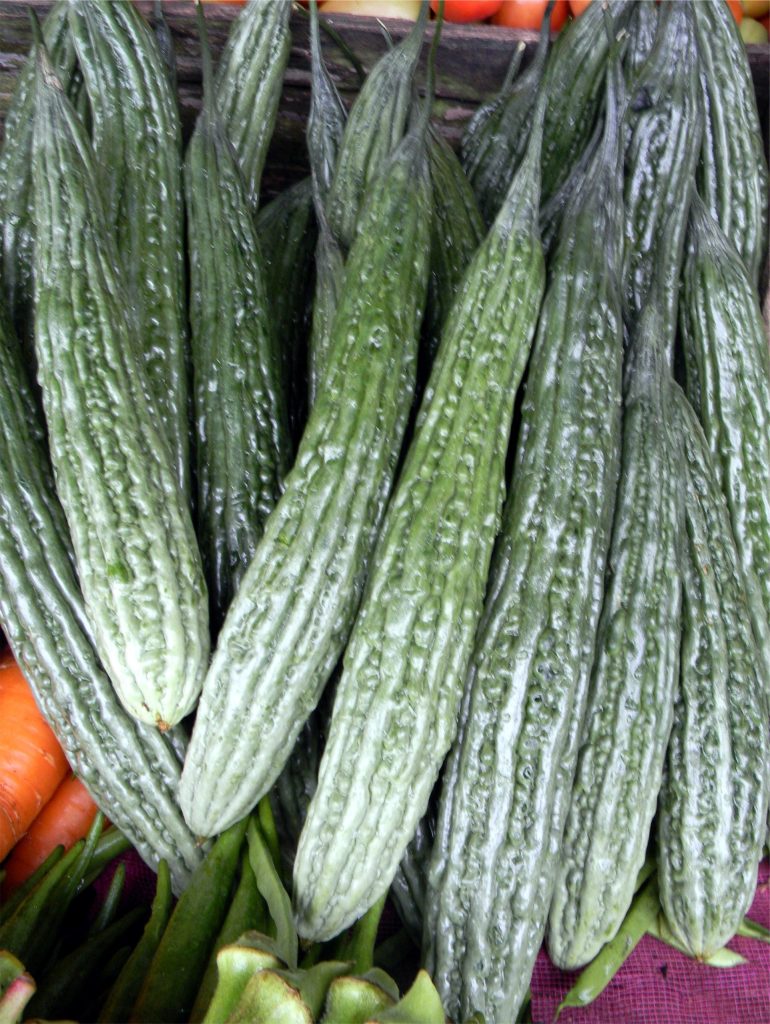
Ampalaya (scientific name: Momordica charantia) can be considered as nature’s answer to diabetes. Almost 100 studies have demonstrated the blood sugar lowering effect of this bitter fruit. Dr. A. Raman and Dr. C. Lau, who reviewed over 150 pre-clinical and clinical studies on ampalaya’s anti-diabetes properties and phytochemistry, concluded that, “Oral administration of fruit juice or seed powder (of bitter melon) causes a reduction in fasting blood glucose and improves glucose tolerance.”
In the Philippines, Dr. William Torres, former director of Bureau of Food and Drugs, came up with this conclusion after reviewing several studies done on ampalaya: “Ampalaya fruits, leaves, seeds and other parts, when used as dry powders, extracts, decoctions, fresh or cooled, have clearly demonstrated hypoglycemic activity.”
Researchers have identified the key compounds present in ampalaya, notably polypeptide-P, a plant insulin found only in the ampalaya. Similar to animal insulin, polypeptide-P lowers elevated blood sugar levels. Dr. Torres maintains that ampalaya, when taken regularly, helps to increase glucose tolerance and “potentiate insulin.”
In an article which appeared in Reader’s Digest, Ellie Rose reports that ampalaya contains high levels of charantin, which increases insulin sensitivity and compounds that activate AMPK, a protein that regulates glucose uptake. “It also has a form of lectin (a sugar-binding protein) that lowers blood glucose and suppresses appetite,” Rose writes.
Eggplant is a crop native to India, where it has been grown for thousands of years. The Chinese and Arabs grew eggplant as early as the ninth century, and it is said to have been introduced into Europe by the early invaders. British traders brought this vegetable to the London market from West Africa in the seventeenth century, calling it “Guinea squash.”
Its scientific name, Solanum melongena, is derived from a 16th century Arabic term for one type of eggplant. Today, different varieties of eggplant produce fruit of different size, shape and color, especially purple, green, or white. There are even orange varieties of eggplant.
Although eggplant contains a large amount of water, it is low in calories. It is a good source of vitamins, fibers, and minerals. Nutrition experts claim it is good for balancing diets that are heavy in protein and starches.
Studies of the Institute of Biology of São Paulo State University in Brazil have found that eggplant is effective in the treatment of high blood cholesterol. But another study from Heart Institute of the University of São Paulo debunked the earlier claims since it found no effects at all.

 Facebook
 Twitter