
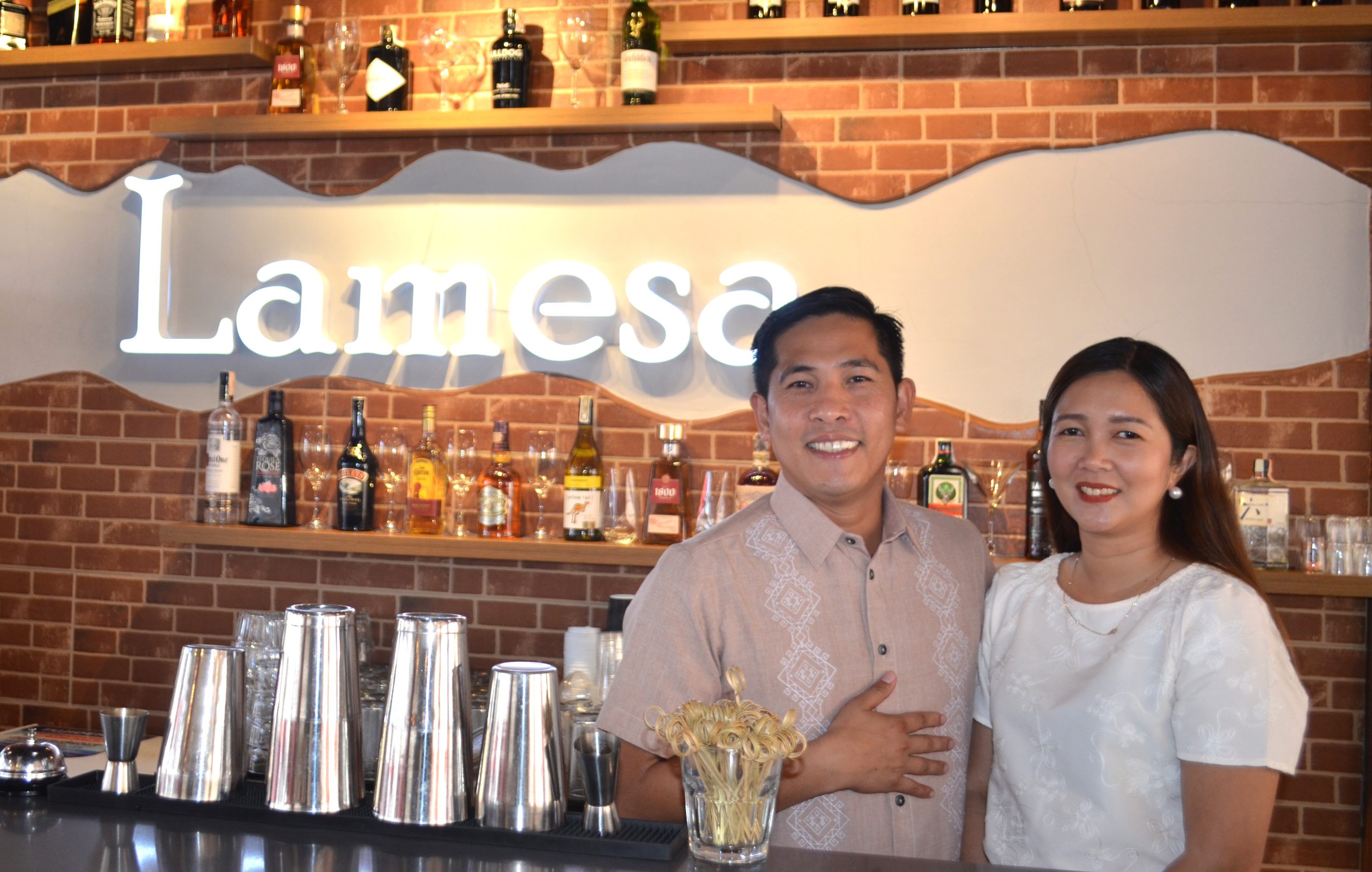
Lamesa Davao Filipino Dishes offer travelers and locals a convenient way to enjoy traditional Filipino cuisine just minutes from Davao International Airport. From sizzling favorites and seafood specialties to vegetable dishes and local delicacies, the restaurant provides a wide selection of meals that showcase the flavors Filipinos often crave when returning home.
If you are a Filipino who has traveled abroad for over a month, what is the first thing you will crave upon your return to the Philippines? Alternatively, if you are a balikbayan currently residing in the United States, Great Britain, or Australia, and have the chance to visit your birthplace, what will you seek?
The answer, undoubtedly, is Filipino foods, which you can indulge since you have the other F, which is financial capability. However, the experience would be even more memorable if you enjoy these delectable dishes in the company of the two other F’s: family and friends.
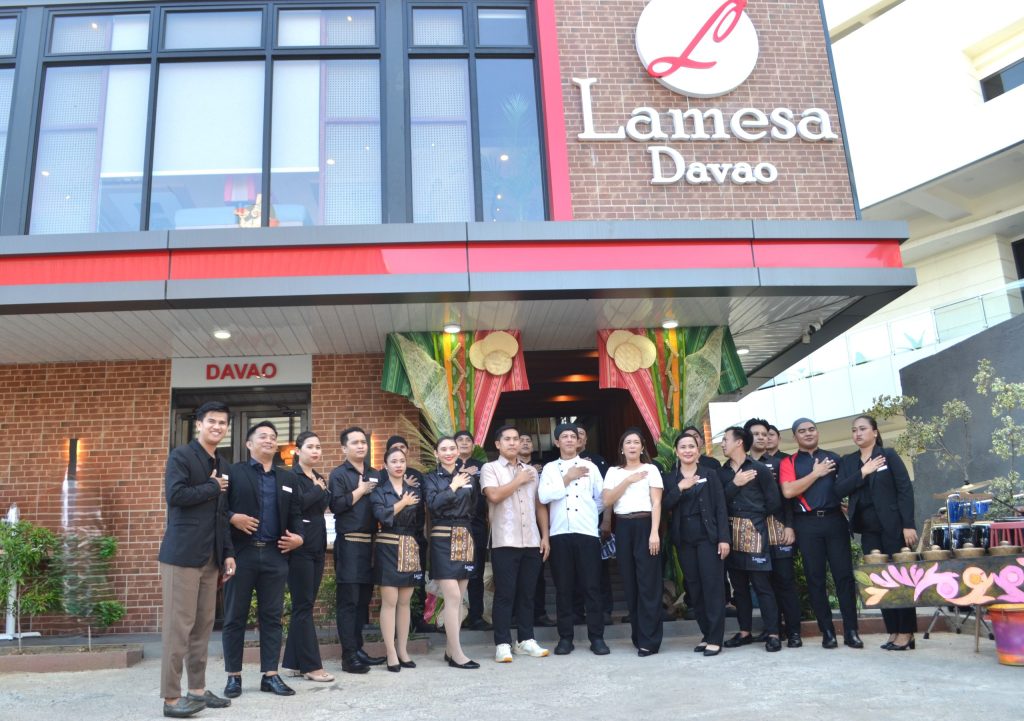
Upon arriving by plane at Davao International Airport, you don’t need to travel far, as there is a restaurant ready to welcome you right after you exit the airport. This establishment is known as Lamesa Davao Restaurant, which serves a variety of Filipino dishes. And it has its grand opening last May 28.
If you love sizzlers, it has sizzling tuna sisig, sizzling tuna, pork sisig, sizzling bagaybay, and sizzling gambas.
Lamesa also serves fresh squid calamares, crispy shrimp, adobong pusit with ata, beef kare-kare, beef steak Tagalog, sinuglaw, pork lumpia, pork binagoongan, pork Bicol express, lechon kawali, crispy pork kare-kare, and crispy pata.
If chicken is your thing, it has buttered chicken, garlic chicken, crispy chicken, crispy chicken skin, and crispy fried isol. For noodles, take your pick: bihon, bam-i, sotanghon, and pancit canton.
For vegetables, try any of these: crispy kangkong (a favorite), garlic kangkong, tortang talong (another favorite), pinakbet, adobong kangkong with minced pork, and mixed vegetables with seafoods.
Salad, don’t worry; it has plenty of choices: cucumber salad, okra salad, guso, ensaladang talong, lukot, and of course fish kinilaw (fresh malasugue tossed in spiced vinegar with picked white radish with salted egg).
You have also different choices when it comes to soup: sinigang na hipon, imbao soup, sinigang na baboy, native tinolang manok, and bulalo.
Grilled can set the moment for a feast: chicken barbeque, barbecue chicken liver, pork barbecue, pork liempo, tuna panga, and tuna belly.
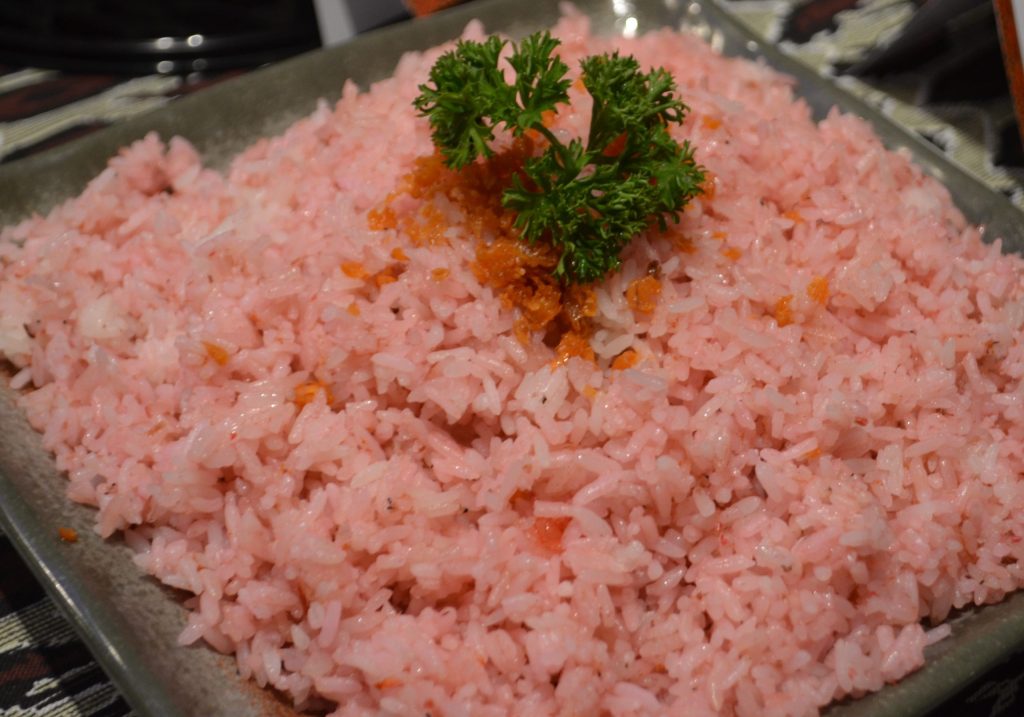
Rice comes in three options: plain rice, garlic rice, and bagoong rice. Take your pick.
According to Rogelio Canales, the proprietor of Lamesa Davao (a restaurant whose name is pronounced as “lami sa Davao”—translating to “delicious in Davao”), the establishment was created to cater to Filipinos seeking Filipino cuisine with a unique twist.
Canales is also the driving force behind the four branches of Mixed Temptation Chinese Restaurants, located on Ponciano Street, Matina, Lanang, and at the Airport.
“There are Filipinos returning from abroad who have been enjoying Chinese cuisine, and upon their return home, they desire authentic Filipino dishes,” he explained. “Given that this new restaurant is situated near the airport, we opted to focus exclusively on serving Filipino fare.”
Lamesa Davao is conveniently located adjacent to the Mixed Temptation Chinese Restaurant at the Airport. Therefore, if customers have had their fill of Chinese food abroad, they can always visit Lamesa Davao to satisfy their cravings for the Filipino dishes they seek.
What sets Lamesa Davao apart as a restaurant is its atmosphere – a space where each meal is designed to evoke a sense of home, every dish narrates a tale, and every table fosters connections among people.
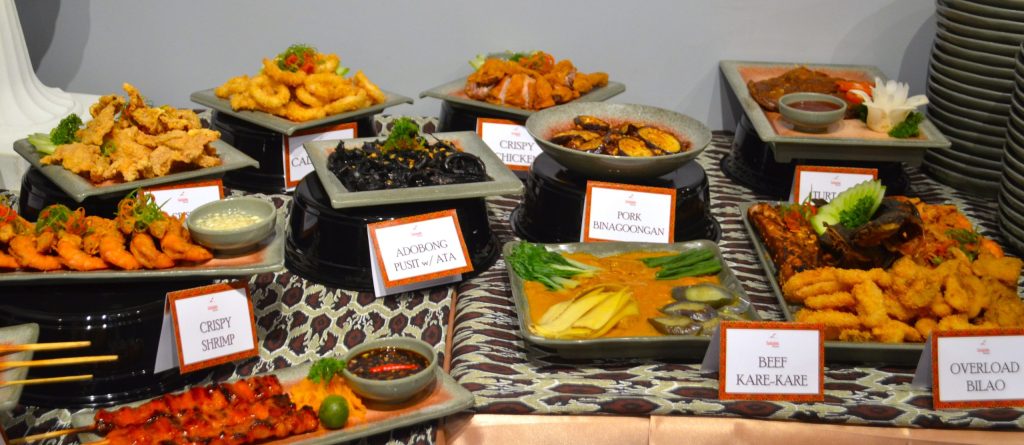
Filipino cuisine is remarkably distinctive due to its bold harmony of sweet, sour, salty, and umami tastes. This unique flavor profile has been shaped by a rich history that combines indigenous cooking techniques with external influences, leading to a comfort-food style that is deeply connected to regional variety and communal dining.
The culture surrounding Filipino food places a strong emphasis on resourcefulness, particularly in traditional street foods and rural culinary practices.
Pinoy foods, anyone?

 Facebook
 Twitter