
By Henrylito D. Tacio
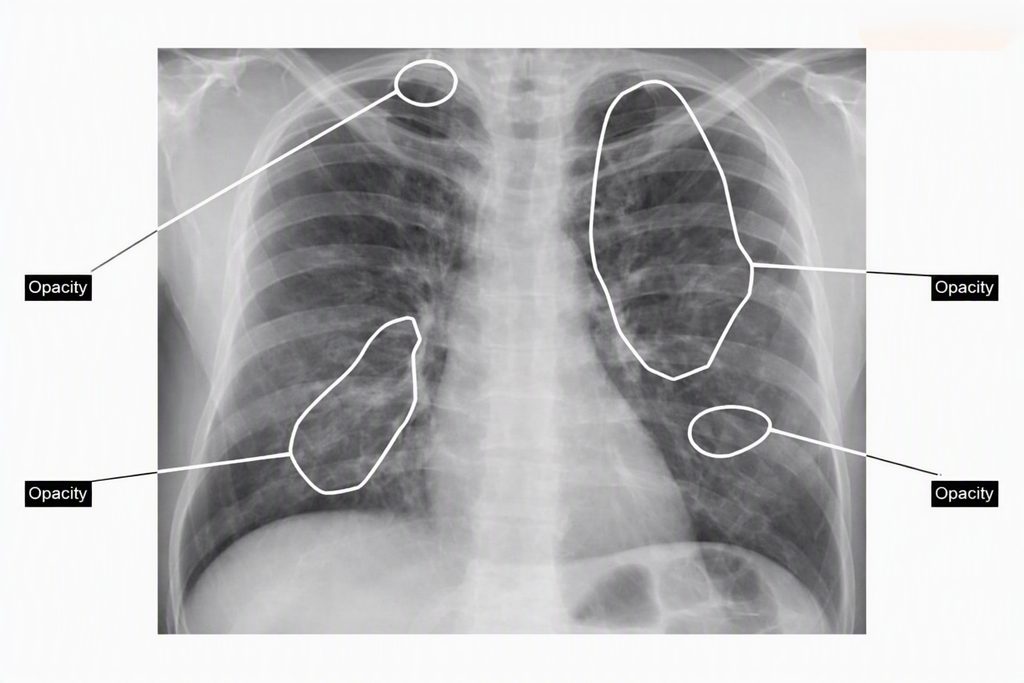
Public healthcare in the Philippines continues to be out of reach for many Filipinos, especially those living in remote and underserved areas. High medical costs, shortages of specialists, and long waiting times remain persistent barriers. A new study by researchers from Ateneo de Manila University suggests that artificial intelligence (AI) may help bridge part of this gap—particularly in the early detection of tuberculosis (TB), one of the country’s most pressing public health concerns.
According to the World Health Organization, an estimated 739,000 people in the Philippines developed TB in 2024, representing 6.8% of the 10.8 million cases recorded worldwide. Early detection is crucial, as timely treatment can prevent severe complications and irreversible lung damage. Yet for many Filipinos, especially those in geographically isolated and disadvantaged areas, accessing diagnostic services remains difficult.
Chest radiography is a key tool for identifying presumptive TB cases. But even when rural health units manage to obtain X-rays, the challenge often lies in their interpretation. Radiologists are scarce outside major cities, and teleradiology services can be costly or slow. For patients, delays in reading results may mean additional trips to health facilities, lost income, or missed opportunities for continued care.
To explore whether AI could help address these gaps, Ateneo researchers Dr. Harold Chiu, Dr. Bryan Lao, and Dr. Gloanne Adolor developed a decision-analytic model simulating a theoretical annual cohort of 1,000 presumptive TB patients undergoing chest radiography in rural health units. Their analysis examined costs and outcomes over five years, including AI software expenses, radiologist reading fees, and confirmatory GeneXpert testing.
The model’s projections showed that an AI-assisted strategy would cost an estimated Php 877,330 annually, compared with Php 1.14 million for manual interpretation. Spread across 1,000 individuals screened, this amounted to roughly Php 877 per person with AI-assisted interpretation, versus about Php 1,142 per person using manual reading. The findings suggest that AI could be a cost-effective option for resource-constrained settings.
But the researchers emphasize that the value of AI extends beyond efficiency.
“For resource-constrained communities, the most important question is therefore not whether AI can outperform or assist an expert reader, but whether it can extend expert-level support to places where expertise is scarce in a way that is affordable, sustainable, and equitable,” they said.
The study notes that AI, when paired with portable digital X-ray systems capable of operating with limited connectivity, could help bring TB screening closer to underserved communities. This approach could reduce the need for patients to travel long distances or wait days for radiology results. More importantly, it could help narrow geographic disparities in healthcare access.
However, the researchers caution that cost-effectiveness depends heavily on local conditions. When lower manual or teleradiology reading fees were applied, or when diagnostic performance estimates based on Philippine data were used, AI remained more effective but was not always cost-saving. The model also relies on assumptions about diagnostic accuracy and cost structures, and AI-assisted findings would still require confirmatory testing.
Because of these limitations, the researchers do not recommend immediate nationwide adoption. Instead, they propose targeted pilot implementations in rural health units where access to radiology is most limited. These pilots should be accompanied by local validation studies, quality assurance mechanisms, monitoring systems, and budget assessments to ensure that AI tools perform reliably and sustainably in real-world conditions.
The study arrives at a critical moment for the Philippines, which continues to carry one of the world’s highest TB burdens while striving to expand universal healthcare coverage. For many communities, the question is not simply whether new technologies can be introduced, but whether they can help deliver expertise to people who have the least access to it.
As the researchers point out, AI is not a replacement for human specialists. Rather, it is a potential tool for extending their reach—especially in places where the absence of expert interpretation can mean the difference between early treatment and prolonged illness. In a country where healthcare access remains uneven, the promise of AI lies not in its novelty, but in its ability to meet people where they are. (PR)

 Facebook
 Twitter