
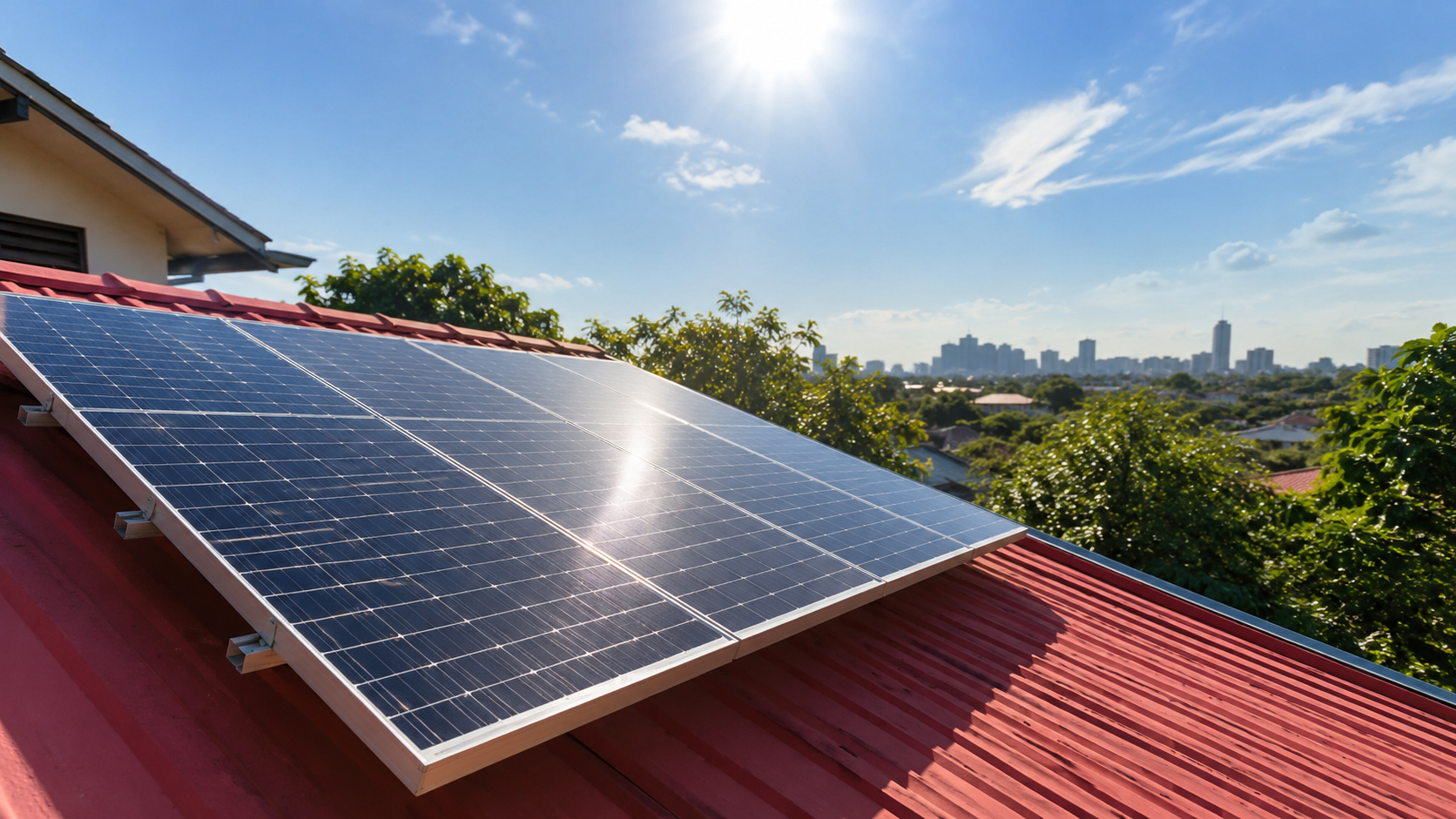
Solar power in the Philippines is gaining attention as the country faces recurring concerns over electricity costs, energy security, and climate-related disruptions. During El Niño, prolonged dry conditions and increased sunshine in some areas may create opportunities for solar energy generation. However, the actual electricity produced by solar installations depends on several factors, including temperature, weather conditions, equipment efficiency, and proper system maintenance.
However, while increased sunshine may create opportunities for solar energy generation, El Niño does not automatically mean higher solar power production. Temperature, weather conditions, equipment performance, and proper system maintenance all influence how much electricity solar panels can generate.
How El Niño Can Affect Solar Power Generation
El Niño is a climate phenomenon characterized by unusually warm sea surface temperatures in the central and eastern tropical Pacific Ocean. It can influence weather patterns around the world, including rainfall and temperature conditions in the Philippines.
During El Niño episodes, some parts of the country may experience reduced rainfall, longer dry periods, and hotter temperatures. These conditions can provide more opportunities for solar panels to receive direct sunlight, potentially supporting electricity generation during daylight hours.
Solar photovoltaic panels convert sunlight into electricity. Unlike conventional power plants that depend on fuel, solar installations use sunlight as their primary energy source.
For the Philippines, which receives considerable sunshine throughout the year, expanding solar power could help diversify the country’s electricity supply and reduce dependence on imported fossil fuels.
Why More Sunshine Does Not Always Mean More Electricity
Although sunny weather can benefit solar installations, extremely high temperatures can affect solar panel efficiency.
Solar panels generally perform better under strong sunlight and moderate operating temperatures. When panel temperatures become excessively high, their electrical efficiency can decrease, reducing the amount of electricity produced compared with their potential output.
Dust accumulation, limited maintenance, shading, and equipment quality can also influence solar generation.
This means households and businesses should consider more than the number of sunny days when deciding whether to invest in solar energy. Proper installation, ventilation, panel positioning, and regular cleaning are important for maintaining system performance.
Solar Energy Opportunities for Filipino Households
Solar power presents several opportunities for Filipino households, particularly those looking to manage electricity expenses over the long term.
A properly designed rooftop solar system can generate electricity during daylight hours, helping households reduce their reliance on electricity supplied by the grid.
Some installations also include battery storage, allowing excess electricity to be stored for later use. This can provide additional flexibility, particularly during power interruptions, depending on the system’s design.
However, solar installation requires an initial investment. Equipment costs, installation services, maintenance, available roof space, and electricity consumption should all be considered before purchasing a system.
Net-metering arrangements may also allow eligible customers to export excess electricity to the distribution grid, subject to applicable requirements and agreements.
Government Policies and the Growth of Solar Energy
The government’s renewable energy initiatives could further encourage solar adoption in the coming years.
The Department of Energy has been advancing rooftop solar adoption through its net-metering program. Under this arrangement, qualified consumers can export excess electricity to the distribution grid and receive credits on their electricity bills. Department of Energy Philippines
The DOE has also introduced simplified requirements for certain own-use solar installations, potentially making it easier for households and small businesses to generate their own electricity. Department of Energy Philippines
These developments could support wider adoption of solar technology as the country works toward increasing the share of renewable energy in its electricity mix.
Is El Niño the Right Time to Invest in Solar?
El Niño may highlight the potential benefits of solar energy, but investment decisions should be based on household electricity consumption, installation costs, available sunlight, and expected system performance.
According to DOST-PAGASA’s November 4, 2026 advisory, a Very Strong El Niño is present in the tropical Pacific and is expected to persist into the first half of 2027. The agency also warns of warmer temperatures and below-normal rainfall in many parts of the Philippines. PAGASA
For Filipino households and businesses, solar power could become an important part of a more diversified energy strategy. However, it should be viewed as a long-term investment rather than a temporary solution to El Niño.
Ultimately, the country’s growing interest in renewable energy presents an opportunity to explore cleaner and more sustainable electricity options. With proper planning, reliable equipment, and supportive government policies, solar power could contribute to the Philippines’ energy security beyond the El Niño season.

 Facebook
 Twitter