
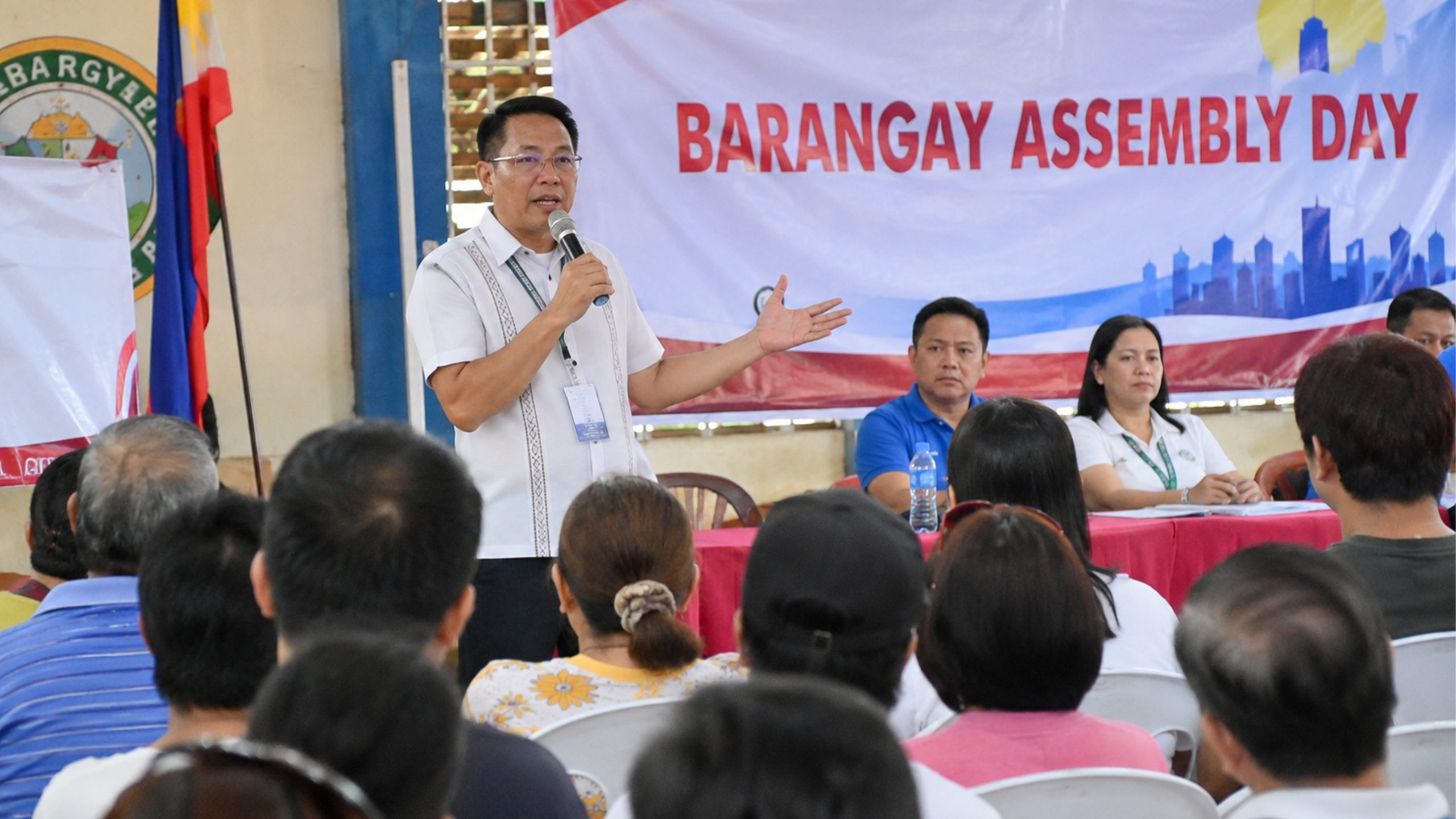
Barangay officials qualifications are drawing renewed attention following Ombudsman Jesus Crispin Remulla’s call for stricter standards for elected community leaders in the Philippines. His proposal raises questions about whether existing eligibility rules adequately prepare barangay captains and councilors to manage public funds, implement government programs, and deliver essential services to residents.
Ombudsman Jesus Crispin Remulla is pushing for higher qualification standards for elected barangay officials, raising questions about whether the existing requirements are sufficient for leaders responsible for managing public funds and delivering basic government services.
Remulla renewed his call on November 11, 2026, during the Career Executive Service Lifelong Learning for Leadership Congress (CESCON) at The Manila Hotel. He questioned whether the current minimum qualifications for barangay captains and councilors adequately prepare them for the responsibilities of local governance.
Under existing rules, candidates for barangay positions can qualify at 18 years old, provided they meet the other requirements under the Local Government Code, including voter registration, residency, and the ability to read and write.
Remulla believes the standards deserve another look, particularly because barangay officials play a direct role in implementing government programs, handling public resources, and addressing the concerns of their communities.
Remulla Questions Existing Barangay Leadership Requirements
Barangay officials are among the most accessible government representatives in the Philippines. They oversee community programs, participate in local development initiatives, assist residents with government transactions, and help maintain peace and order in their respective areas.
However, Remulla argued that the responsibilities attached to these positions require a level of competence, integrity, and accountability that should be reflected in the qualifications of those seeking public office.
His proposal involves exploring ways to strengthen the requirements for barangay leadership, including possible legislative changes and mandatory training programs.
The discussion comes amid broader efforts to improve public sector leadership and ensure that local officials have the necessary knowledge to manage government responsibilities.
Proposed Education and Civil Service Requirements
The proposal has also gained support from members of Congress.
Rodolfo Ordanes of the Senior Citizens Party-list previously expressed support for strengthening the qualifications of barangay officials and proposed amendments to the Local Government Code.
Among the recommendations raised were requiring at least a high school education and passing the Civil Service Subprofessional Examination for elected barangay officials.
The proposals aim to establish stronger standards for individuals entrusted with public responsibilities.
However, these recommendations remain proposals and should not be confused with existing legal requirements. No general high school diploma or Civil Service eligibility requirement has been established for candidates seeking elected barangay positions under the current rules.
What the Law Currently Requires
Section 39 of Republic Act No. 7160, also known as the Local Government Code of 1991, establishes the qualifications for elective local government officials, including barangay officials.
Under the law, candidates for barangay positions must:
- Be Filipino citizens.
- Be registered voters in the barangay where they intend to run.
- Have lived in the area for at least one year immediately before election day.
- Be able to read and write Filipino or another local language or dialect.
- Be at least 18 years old on election day.
The existing provisions do not generally require elected barangay officials to possess a college degree, high school diploma, or Civil Service eligibility.
Any proposal to introduce additional qualifications would require the appropriate legal or legislative process before becoming enforceable.
Concerns Over Stricter Qualifications
While stronger qualifications could improve public administration, imposing additional requirements may also create challenges for smaller and remote communities.
Barangays in rural areas and island communities may have fewer residents with formal educational credentials or Civil Service eligibility.
Concerns about limiting the pool of potential candidates have also been raised by local barangay representatives.
In October 2026, Amalia Debuque, president of the Liga ng mga Barangay – Iloilo Province Chapter, questioned the practicality of requiring Civil Service eligibility for all elected barangay officials.
The concern highlights the need to balance professional standards with the ability of communities to elect representatives who understand their local needs and circumstances.
Existing Law Already Provides for Continuing Training
Separately, Republic Act No. 12326, approved on September 24, 2026, includes provisions requiring continuing training and capacity-building programs for barangay and Sangguniang Kabataan officials.
The initiative involves coordination among government agencies, including the Department of the Interior and Local Government, Technical Education and Skills Development Authority, Commission on Elections, and state universities and colleges.
The objective is to strengthen the capabilities of local officials and improve the delivery of public services.
The law provides an existing framework for developing the skills and knowledge of barangay leaders. However, its training provisions should not be interpreted as automatically imposing the proposed educational or Civil Service examination requirements.
Will Barangay Officials Face Stricter Requirements?
For now, the call for higher qualifications remains a policy discussion rather than an implemented change in election rules.
Any new mandatory educational or professional standards would need to go through the appropriate legislative process, particularly if amendments to the Local Government Code are necessary.
The discussion raises a broader question about the future of barangay governance: Should elected community leaders be required to meet higher educational and professional standards, or should the government prioritize training and capacity-building while preserving existing eligibility rules?
As the smallest unit of local government, barangays play an important role in delivering public services across the country. Strengthening the people who lead them could have a direct impact on how communities receive government assistance and how public resources are managed.
For now, residents and prospective candidates should continue referring to existing election laws and official announcements from the Commission on Elections for the applicable qualifications.

 Facebook
 Twitter