
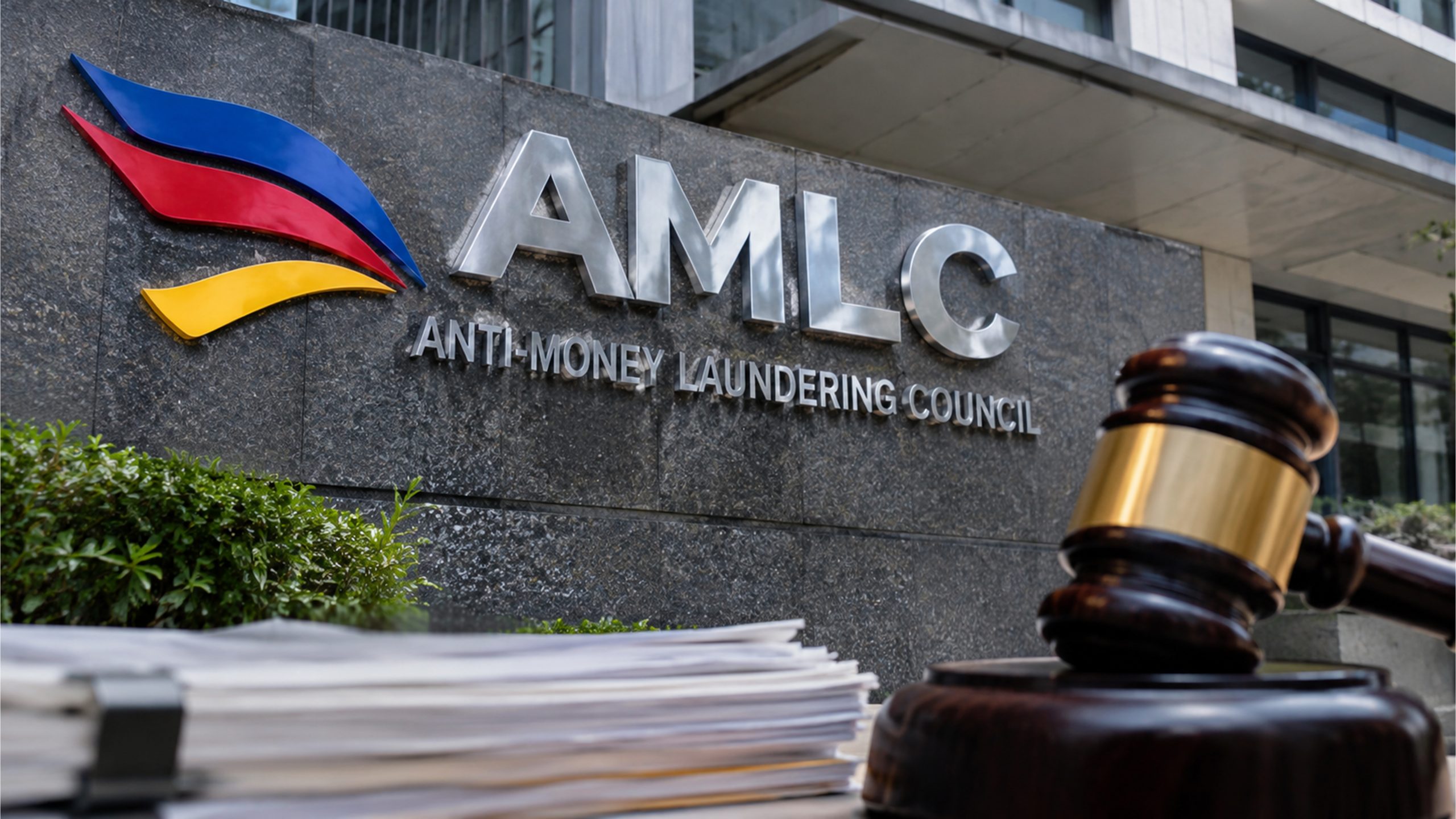
The AMLC freeze order covering bank accounts and other properties linked to an unnamed lawmaker and a former government official marks a significant development in an investigation involving alleged irregularities in government contracts. The Court of Appeals issued the order on November 9, 2026, following a petition by the Anti-Money Laundering Council (AMLC), according to reports citing the council’s findings.
The freeze order was issued on November 9, 2026, after the appellate court found probable cause to believe that the assets covered by the petition could be connected to alleged violations of the country’s anti-plunder and anti-graft laws, according to the AMLC.
The development followed a complaint filed by the Office of the Ombudsman against the two individuals over alleged violations of Republic Act No. 7080, or the Anti-Plunder Act, and Republic Act No. 3019, or the Anti-Graft and Corrupt Practices Act.
Neither the AMLC nor the news reports identifying the case disclosed the names of the individuals involved or the total value of the assets covered by the order.
Government contracts at the center of the complaint
According to the AMLC, the complaint concerns the alleged awarding of exclusive government contracts to corporations associated with the lawmaker while the businessman was still holding public office.
The council said its investigation uncovered extensive fund transfers between the lawmaker’s personal bank accounts and accounts belonging to the corporations.
The AMLC described these transactions as indicating a direct financial connection between the lawmaker and the companies involved.
Investigators also identified substantial and complex financial transactions involving the businessman during his government tenure.
The council said the businessman’s financial activity increased notably during the period when numerous contracts were awarded to corporations linked to the lawmaker.
These findings formed part of the basis for the AMLC’s petition seeking the freezing of the assets.
Court finds probable cause
In granting the freeze order, the Court of Appeals found probable cause to believe that the lawmaker may have received economic benefits from the alleged unlawful activities.
The court also found probable cause to believe that the businessman may have participated in the alleged wrongdoing, citing his reported role in the awarding of contracts and the increase in his financial transactions during the relevant period.
The court’s determination of probable cause allowed the freeze order to be issued. However, it should not be interpreted as a final determination of criminal liability.
A freeze order is a preventive legal measure intended to restrict the withdrawal, transfer, or disposal of covered assets while authorities pursue proceedings involving their possible connection to unlawful activities.
It is not equivalent to a criminal conviction or a final ruling that the assets are proceeds of crime.
What happens next?
The case involves allegations that remain subject to the appropriate legal proceedings.
The Office of the Ombudsman complaint and the AMLC’s financial investigation are central to determining whether the alleged transactions and government contract arrangements violated Philippine law.
The identities of the individuals, the corporations involved, and the specific government contracts have not been disclosed in the reports reviewed for this article.
Philippine Morning Post will continue to monitor developments, including any official statements from the individuals concerned and further announcements from the AMLC, the Ombudsman, or the courts.
For now, the freeze order represents a legal step to preserve assets potentially connected to the allegations while the relevant proceedings continue.

 Facebook
 Twitter