
Underutilized vegetables in the Philippines play a crucial role in improving nutrition, strengthening food security, and addressing malnutrition, especially among vulnerable communities. Although nutrition is recognized as a basic human right and vital to the survival, growth, and development of children, malnutrition continues to be a major international health problem that claims millions of lives.
Although nutrition is recognized as a basic human right, and vital to the survival, growth and development of children, malnutrition still persists. Malnutrition continues to be a major international health problem that claims millions of lives.
Around the world, more than 5.5 million under-five children die annually. In the Philippines, according to Dr. Nicholas K. Alipui, the malnutrition situation has not substantially improved in the last 15 years. “Child malnutrition rate, for one, has remained at the 30 per cent level for over a decade,” said the country representative of the United Nations Children’s Fund.
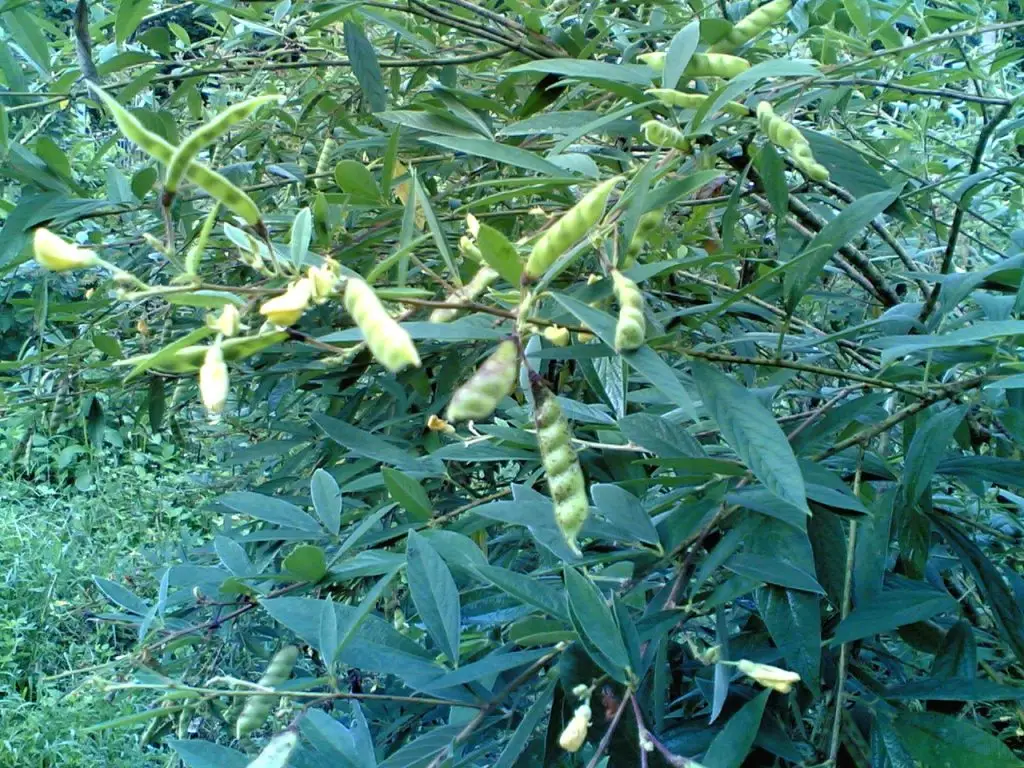
Although pork, beef, chicken and fish are available at all times, they are often beyond the budgets of most Filipinos, particularly those living in rural areas. Usually, legumes provide the chief – and sometimes the only – course of protein.
“Legumes seeds (also called beans, grain legumes, or pulses) are second only to cereals as a source of human and animal food,” notes Tropical Legumes: Resources for the Future, published by the U.S. National Academy of Sciences. “Nutritionally, they are 2-3 times richer in protein than cereal grains.”
In the Philippines, the most common legumes planted are soybeans, peanuts, and string beans. But there are two more legumes that farmers should plant in their farms or gardens. Both deserve attention as they are good sources of protein. They are pigeon pea (Cajanus cajan) and winged bean (Psophocarpus tetragonolobus).
Kadios
Although pigeon pea, locally known as kadios, grew at least 3000 years ago, it is still underexploited. It is cultivated as a food crop (dried peas, flour, or green vegetable peas) and a forage crop. In some areas, pigeon peas are an important crop for green manure (they can provide up to 40 kilograms of nitrogen per hectare after incorporation).
As a food crop, the dried peas may be sprouted briefly and cooked for a different flavor from the green or dried peas. Sprouting also enhances the digestibility of dried pigeon peas via the reduction of indigestible sugars that would otherwise remain in the cooked dried peas.
Pigeon peas are nutritionally important, as they contain vitamin B and high levels of protein and the important amino acids methionine, lysine, and tryptophan. In combination with cereals, pigeon peas make a well-balanced human food. In Puerto Rico, rice and green pigeon peas are considered the main traditional food, served as a representative country cuisine in many food festivals around the world.
Sigarilyas
Like pigeon pea, winged bean (sigarilyas) is not commercially cultivated. It is mostly confined to home gardens and backyard cultivation. This legume is considered quite unique because of its multiple uses.
“It’s a veritable backyard supermarket,” points out Noel Vietmeyer, a staff director of the National Academy of Sciences. “From top to bottom, it is all edible.” The plant yields protein-rich pods, and its succulent leaves, tender shoots resembling lacy asparagus, seeds, flowers and tuberous roots are also edible.
The tender pods, which are the most widely eaten part of the plant, can be harvested in two to three months of planting. The long pods, which can reach up to 50 centimeters in length, are rich sources of proteins, carbohydrates and vitamin A. The pods may be eaten raw or used in salads, soups, stews and curries.
The immature pods can also be used as peas. The mature pods can be stewed, boiled, fried, roasted or made into milk. The seeds mimic soybean in composition and nutritive value. The seeds contain 29-39 percent protein, 15-18 percent fat and 23-42 percent carbohydrate. The tender top three sets of leaflets can be eaten raw like spinach or cooked as greens. They are rich in vitamin A, protein and carbohydrates.
The vines produce starchy underground tubers. These tubers are eaten like potatoes and are harvested 120 to 240 days after planting. In the Philippines, however, the tubers are relatively smaller and they are not eaten. The tubers contain 12-15 percent protein (2 to 4 times higher than that of potato and 8 times more than that of cassava), 0.5 to 1.1 percent fat and 27.2 to 30.5 percent carbohydrate. The tubers are peeled after boiling, fried or baked before use.
One good thing about winged bean is that it is one of the best nitrogen fixers with nodulation accomplished by the soil bacterium Rhizobium. Because of its ability to fix nitrogen from the atmosphere, the plant requires very little or no fertilizers.
Kulitis
Although not a legume, amaranth (Amaranthus spp.) is a versatile plant, with edible seeds and leaves. The word comes from the Greek amarantos, which means “one that does not wither.”
Like pigeon pea and winged bean, amaranth (kulitis) is cultivated on a small-scale although it has been touted as “the crop of the future.” The seed is moderately important in the Himalaya. It was one of the foodstuffs of the Incas and was used by the ancient Aztecs in their rituals.
Although the seeds are hardly bigger than poppy seeds, they occur in very large quantities, around 100,000 per plant. They contain protein that is nearly perfectly balanced for the human diet.
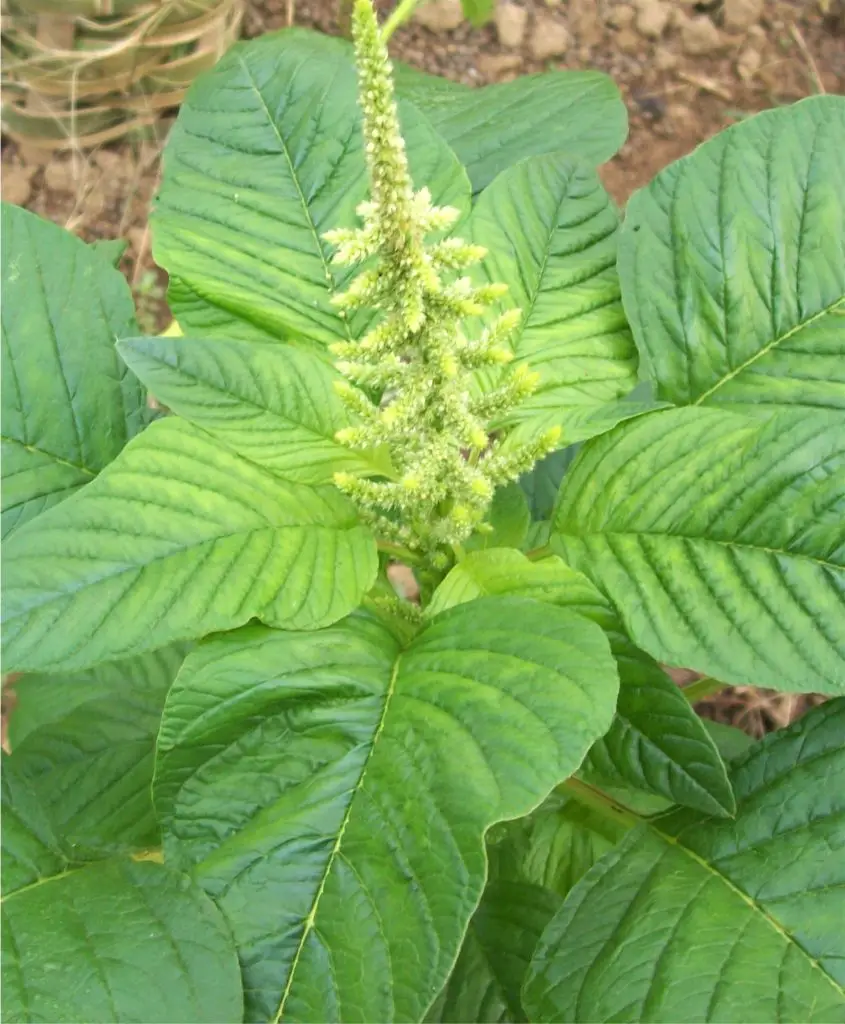
The Florida-based Educational Concerns for Hunger Organization (ECHO) gives the following information: “The protein content is 13 to 18 percent, containing high levels of the essential amino acid lysine. Seeds also have high levels of calcium, iron, phosphorus, potassium, zinc, vitamin E, and vitamin B-complex. Seeds are ground for porridge or flour; they may also be toasted, popped, flaked, or sprouted to use in cooking and baking.”
Globally, amaranth leaves are probably more widely eaten than the seeds. The leaves taste like spinach and are used in the same manner that spinach is used. They are best if consumed when the plant is young and tender. Flexible stems up to thumb size can also be peeled, cooked and eaten like asparagus.
The fiber content of amaranth is three times that of wheat and its iron content, five times more than wheat. It contains two times more calcium than milk. Eating amaranth along with corn or rice results in a complete protein as high in food value as fish, beef, or poultry.
Several studies have shown that amaranth seed or oil may be of benefit for those with hypertension and cardiovascular disease; regular consumption reduces blood pressure and cholesterol levels, while improving antioxidant status and some immune parameters.
With malnutrition still prevalent in the Philippines and high prices of common vegetables, these neglected vegetables should be given more importance now not only in rural areas but in the cities as well.


 Facebook
 Twitter