
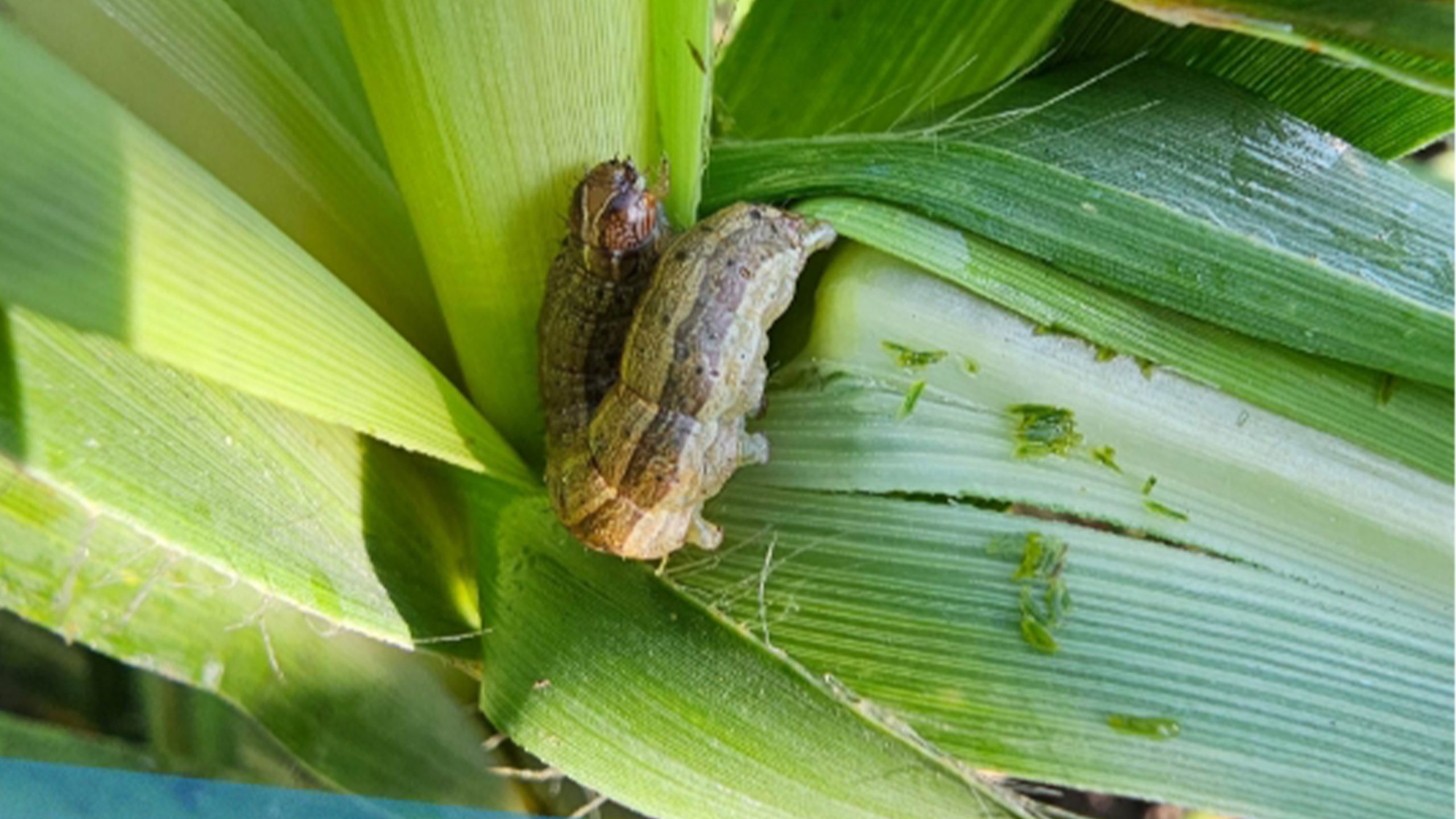
MANILA — Fall armyworm sugarcane Philippines infestation is being addressed through a new science-driven initiative as DOST-PCAARRD launches a program aimed at protecting crops and supporting farmers affected by the pest.
In a bid to combat the devastating impact of the widely invasive fall armyworm (Spodoptera frugiperda) or FAW on sugarcane in the Negros Region, a program led by the National Crop Protection Center of the University of the Philippines Los Baños (NCPC-UPLB) and funded by the Philippine Council for Agriculture, Aquatic and Natural Resources Research and Development of the Department of Science and Technology (DOST-PCAARRD) was launched to develop sustainable strategies against the pest.
Locally known as ‘harabas,’ FAW infestation has affected nearly 1,000 hectares and 4,000 farmers, resulting in an estimated losses of P50.2 million. Aside from FAW, other lepidopteran pests are also causing significant leaf damage to sugarcane.
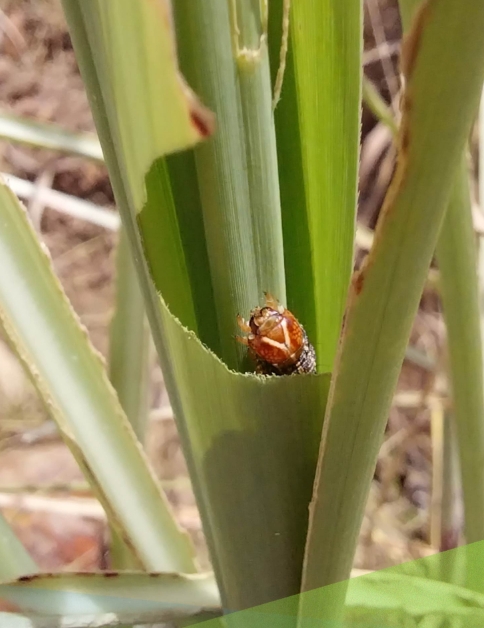
The program, “HARABUST: Harnessing Adaptive Responses and Best Practices against Armyworms and Other Lepidopterous Insect Pests using Science and Technology,” has eight component projects that aims to:
- Develop and test safer and more targeted insecticides, specifically for sugarcane;
- Mass-produce biological control agents (BCAs) for sugarcane, corn, and onion, using natural predators and parasites to manage pest populations;
- Enhance effectiveness of natural biological control agents by optimizing cultivation of the entomopathogenic fungus, Metarhizium rileyi;
- Develop nucleopolyhedrovirus with increased virulence to S. frugiperda or FAW for Integrated Pest Management (IPM) programs;
- Create an extensive awareness campaign to educate farmers and other stakeholders on sustainable management techniques;
- Evaluate trapping systems that use pheromones and light to monitor and control pest populations;
- Optimize push-pull farming systems for sugarcane, a strategy that uses repellent plants and trap crops to protect the main crop; and
- Study the biology and genetic diversity of other potential pests, such as the sugarcane semi-looper (Mocis frugalis), to proactively address future threats.
By integrating biological control, ecological approaches, targeted chemical interventions, and capacity building, HARABUST aims to reduce dependence on conventional pesticides while strengthening long-term pest resilience in sugarcane production systems.
During the program’s inception meeting organized by DOST-PCAARRD’s Crops Research Division (CRD), NCPC Director and Program Leader Dr. Barbara L. Caoili emphasized the team’s commitment to delivering integrated S&T-based solutions toward improving the sugarcane industry’s situation.
CRD Director Leilani D. Pelegrina also commended the program team’s coordination and efforts, while also expressing DOST-PCAARRD’s commitment to providing technical and monitoring support to ensure its successful implementation.
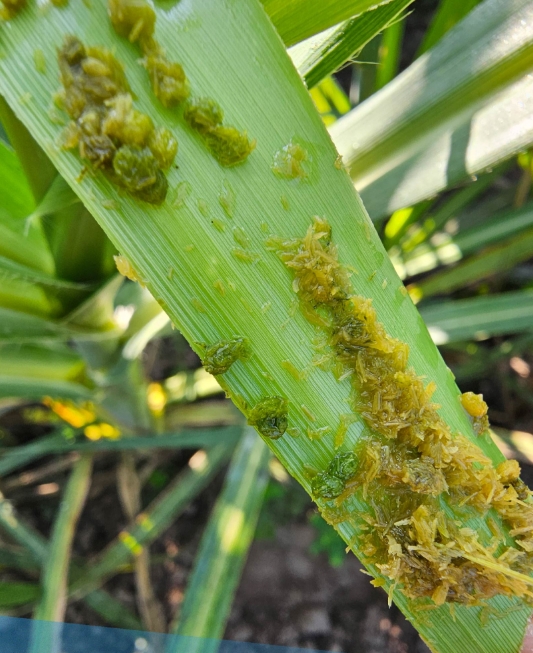
Through HARABUST, DOST-PCAARRD reinforces its strategic investment in safeguarding the country’s sugarcane industry and enhancing agricultural resilience. With its holistic and environmentally conscious approach, the program is set to provide a long-term, robust and sustainable solution for managing insect pests in sugarcane.
The inception meeting was attended by key representatives from UPLB, together with the project leaders and staff under the program. Also present were representatives from UPLB’s Office of the Vice Chancellor for Research and Extension (OVCRE), Accounting Office, and Bids and Awards Committee (BAC).
The activity was supported by S&T Consultants: Dr. Celia dR. Medina from the Institute of Weed Science, Entomology, and Plant Pathology (IWEP) of UPLB and Dr. Divina M. Amalin from De La Salle University. Other key attendees from DOST-PCAARRD were: Applied Communication Division Director Marita A. Carlos; Sugarcane Industry Strategic S&T Program (ISP) Manager and Agricultural Resources Management Research Division Supervising Science Research Specialist Ofelia F. Domingo; Sugarcane Commodity Specialist and CRD Project Technical Specialist IV Jen Charmaine A. Lorenzo-Manohar; and other key staff from the Financial Administrative Division and Office of the Executive Director for Research and Development.
By Jen Charmaine A. Lorenzo-Manohar, Eiros Colins R. Penido

 Facebook
 Twitter