
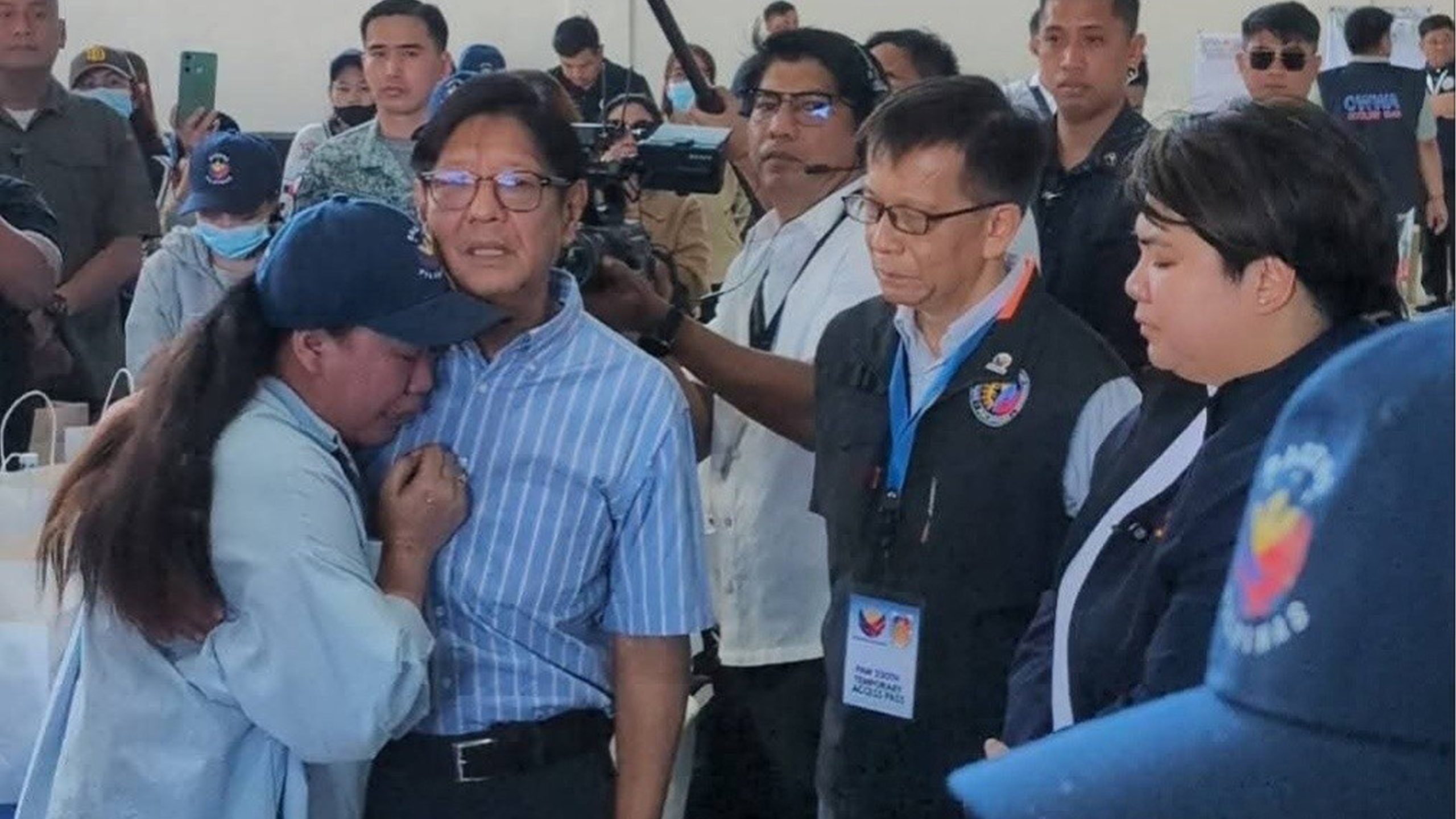
OFW repatriation Middle East efforts gained urgency on Monday as hundreds of overseas Filipino workers arrived in Manila, highlighting the government’s rapid response to escalating regional tensions and the growing need to ensure the safety of Filipinos working abroad.
MANILA — The Philippine government intensified its repatriation efforts as hundreds of overseas Filipino workers (OFWs) arrived from the Middle East on Monday, with President Ferdinand Marcos Jr. personally welcoming them amid growing regional instability that has prompted heightened concern for Filipino nationals abroad.
The latest batch of returnees, numbering over 300, came from countries including Saudi Arabia, Bahrain, Kuwait, and Qatar, following government-facilitated evacuation measures as tensions in the Middle East continue to escalate. Officials confirmed that the group landed at Villamor Air Base after departing from Riyadh, marking one of several recent repatriation flights arranged in response to the evolving security situation.
While the President did not deliver a formal address, he was seen engaging directly with the arriving workers, many of whom had endured uncertainty over their safety and employment. Marcos also assisted in overseeing their transfer to government-organized transportation bound for their respective home provinces, signaling a hands-on approach to the reintegration process.
Migrant Workers Secretary Hans Cacdac said the government remains on high alert as more Filipinos may seek assistance in the coming days. “We are expecting additional arrivals, including successive batches from the United Arab Emirates,” he noted, emphasizing that contingency plans are already in place to accommodate further repatriations if necessary.
The Department of Migrant Workers (DMW) reported that the UAE alone hosts around one million Filipinos, making it a key area of concern should tensions worsen. Authorities have been coordinating closely with Philippine embassies and labor offices across the region to monitor conditions and assist nationals who wish to return home.
The current repatriation drive comes as the conflict involving Israel and Iran enters a critical phase, raising fears of broader regional instability. Although no direct large-scale impact on Filipino communities has been reported in some host countries, officials said precautionary measures are essential to ensure the safety of OFWs.
Observers noted that the government’s visible response, including the President’s presence at the arrival site, reflects an effort to reassure both returning workers and their families. Some netizens praised the gesture as a sign of solidarity, while others raised questions online about long-term support, particularly in terms of employment assistance and financial reintegration for displaced workers.
The DMW said returning OFWs will receive immediate aid, including financial assistance, temporary shelter if needed, and access to livelihood programs. Reintegration services are expected to play a crucial role as many returnees face uncertain prospects after abruptly leaving their jobs abroad.
For decades, the Philippines has relied heavily on remittances from its overseas workforce, making the safety and welfare of OFWs a national priority. The latest developments highlight the vulnerability of migrant workers to geopolitical conflicts beyond their control, underscoring the need for stronger protection mechanisms and sustainable reintegration programs.
As the situation in the Middle East remains fluid, authorities continue to urge Filipinos in affected areas to stay in contact with embassy officials and consider voluntary repatriation options. The government has assured the public that it is prepared to scale up its response as needed, with the safety of Filipino workers remaining its top concern.

 Facebook
 Twitter