
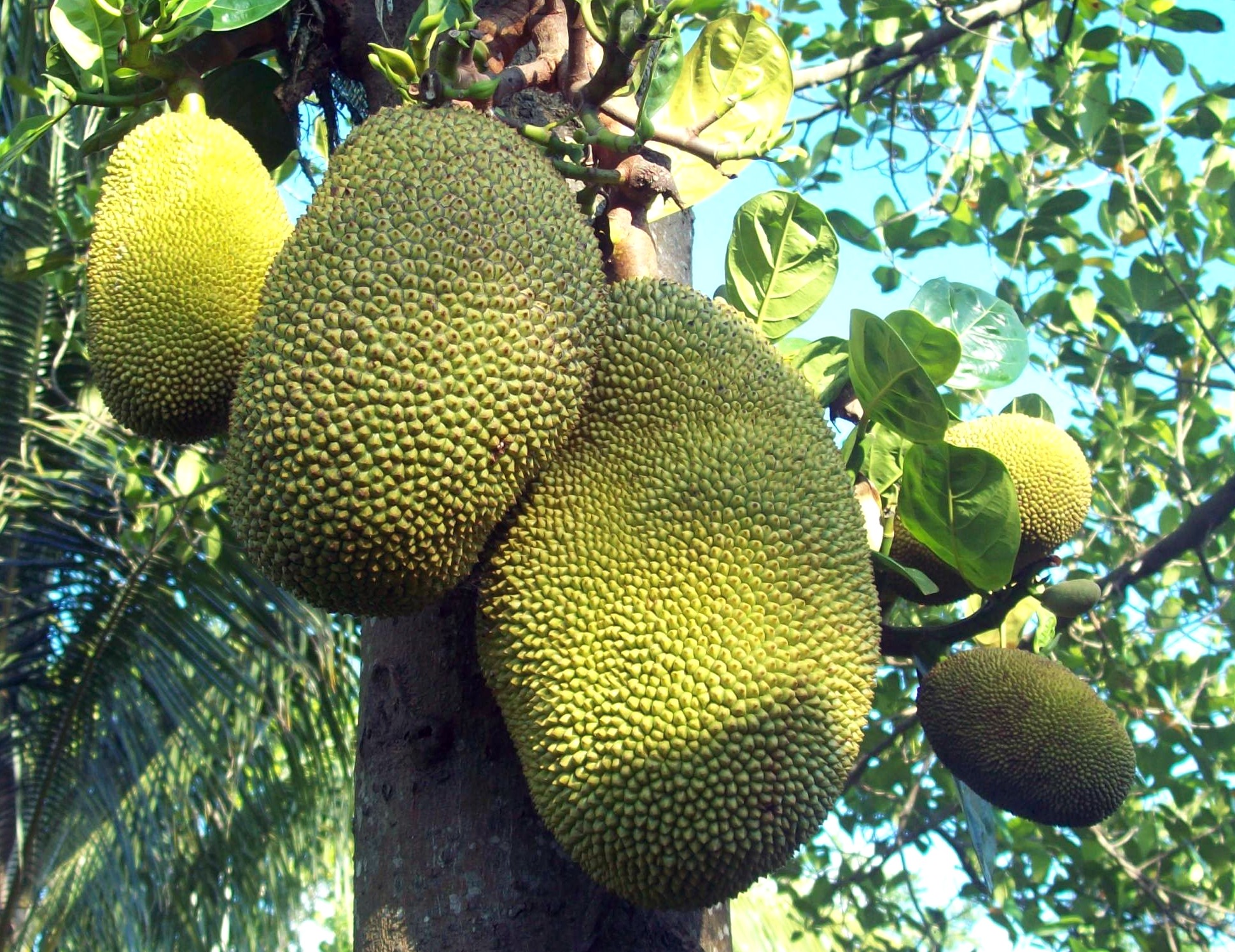
Jackfruit benefits extend far beyond its sweet, tropical fruit, making it one of the most versatile trees grown across Asia. Valued for food, timber, livestock feed, fuelwood, and even traditional medicine, the jackfruit tree plays an important role in supporting food security and rural livelihoods.
What tree can be timber, fodder, fuelwood and staple food at the same time?
The jackfruit tree, that’s what.
“For farmers with limited land who are striving to meet needs for wood products, animal feed and above all, household food security, the jackfruit is godsend,” said Dr. John Raintree, coordinator of the Artocarpus Network of Winrock International.
Artocarpus is the tree’s generic name derived from the Greek word artocarpus, which means “breadfruit.” The more popular name of jackfruit comes from the Indian jaka or tsjaka.
In a study, researchers asked farmers to name their first and second choices of a tree from which whey derive the most uses. The jackfruit was the second most frequently mentioned tree – after mango and before coconut.
Food was the tree’s most frequently cited use, the study found. In Sri Lanka, where it is traditionally called “rice tree,” jackfruit is eaten mostly as a vegetable in curries.
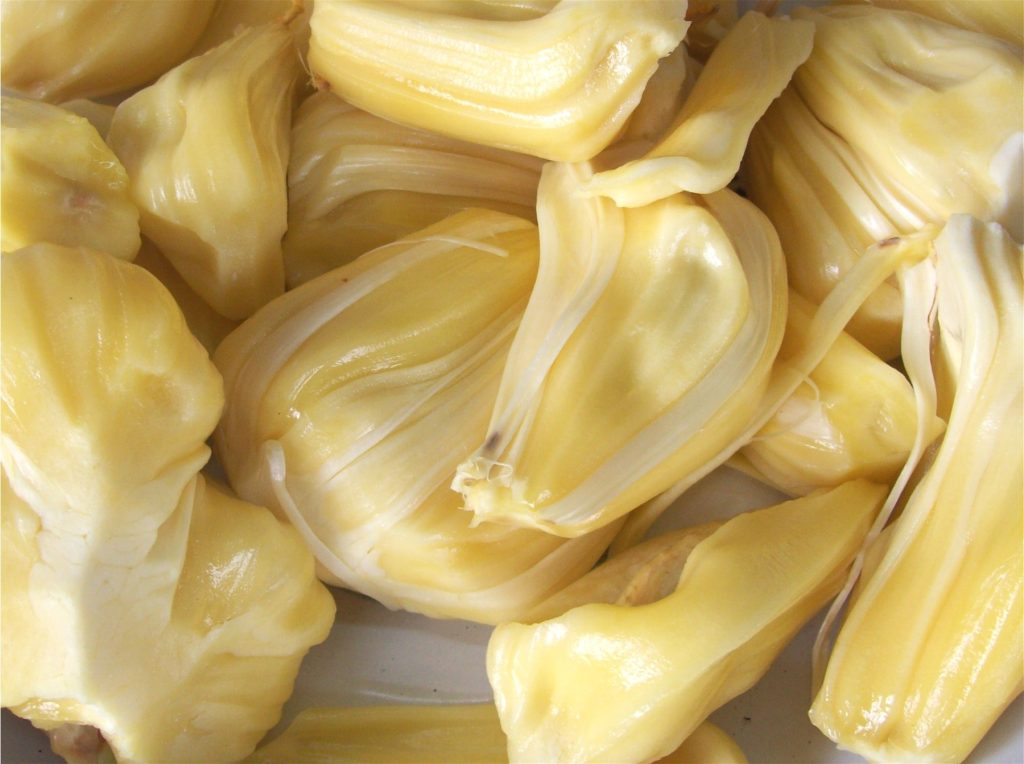
In south India, the fruit is the favorite of most households for its strong, sweet and aromatic odor, fine texture and rich and appetizing taste. Shredded, jackfruit is eaten fresh or used in ice cream, candies and other desserts.
In the Philippines, the young or immature fruit is also used as a vegetable. Industrial processors utilize the young fruit as an ingredient in the manufacture of a fish sauce known locally as patis. Immature, overripe, and fallen fruits from a tree are given to hogs and cattle.
Aside from its food value, the jackfruit is also valued for its medicinal properties. In China, the aril is considered a cooling and nutritious tonic.
In Sri Lanka, the leaves are widely used to treat diabetes, particularly among the elderly. Mature or ripened, fallen leaves are collected, boiled, and drank for this purpose. Collected leaves are also sundried, ground, and mixed in hot water to make a tea that native physicians say helps prevent diabetes.
In the Philippines, the charred and powdered leaves are used against diarrhea, boils, and stomachache. To heal ulcers, the ash of leaves burned with corn and coconut shells are used alone or mixed with coconut oil. Heated fresh leaves are used for wound healing.
The jackfruit is also an important source of timber. In India, the timber is used for making high-quality furniture and musical instruments, as well as building materials. In the Philippines, the wood is prized in the making of guitars and ukuleles for resonant quality and beauty.
As for timber, experts say jackfruit is superior to teak. This must be the reason why palaces in Bali and Macassar were built of jackfruit wood and the limited supply in Indo-China was once reserved for temples.
In Malaysia, jackfruit is intercropped in durian orchards to provide shade. It is similarly used to shade coffee and orange trees, and in India and Sri Lanka, it is grown to provide shade and living support for black pepper.
In Africa, the trees are utilized for yam support. In Australia, they are used as windbreaks at close spacings. In Bangladesh, jackfruit is an important reforestation species.
But despite its varied uses, jackfruit is still considered a backyard crop in most parts of Asia, including the Philippines.
A native to the rainforests of the western Ghats of India and Malaysia, Arabs took jackfruit to the east coast of Africa, and eventually it arrived in the whole of tropical Africa and America. Today, it is an important fruit crop in India, Myanmar (Burma), Sri Lanka, Malaysia, Indonesia, Thailand, the Philippines, and many other tropical countries.

 Facebook
 Twitter