
By Henrylito D. Tacio
At an elevation of about 1,500 meters above sea level in Sitio Balutakay, Bansalan, Davao del Sur, a retired police officer begins each day surrounded not by sirens and reports, but by coffee trees, vegetable crops, and dairy goats.
The cool mountain air, fertile soil, and sweeping views of the Mt. Apo highlands have become the workplace and sanctuary of Jose “Juther” O. Rafal, whose retirement from public service marked the beginning of a deeply rooted agricultural mission.
For nearly three decades, Juther served in the Philippine National Police. Before joining the police force in 1997, he worked with the Philippine Coconut Authority, helping distribute fertilizers to coconut farmers under a government development project. Even while wearing the uniform, agriculture never left his life. He remained involved in contract farming ventures involving mango and sugarcane in North Cotabato.
When compulsory retirement came in July 2024, Juther did not search for a new profession. Instead, he returned to the one that had first shaped him.
“My parents taught me how to till our agricultural land,” he recalled. “Out of my desires, I took up BS Agriculture.”
That early exposure to farming, reinforced through formal agricultural studies at the University of Southern Mindanao, would eventually guide him back to the land.
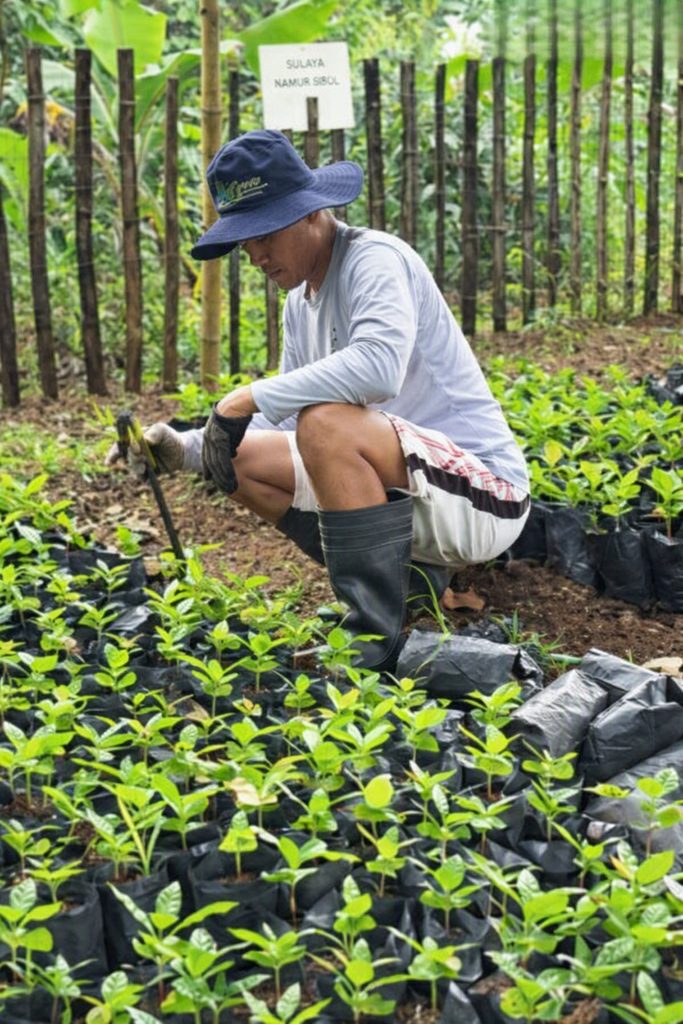
Today, he manages the Mt. Apo Organic Farming Life Experience, a farm located in Purok Moon, Sitio Balutakay. The name reflects his commitment to sustainable agriculture and was inspired by the country’s organic agriculture laws promoting environmental stewardship, soil health, and public well-being.
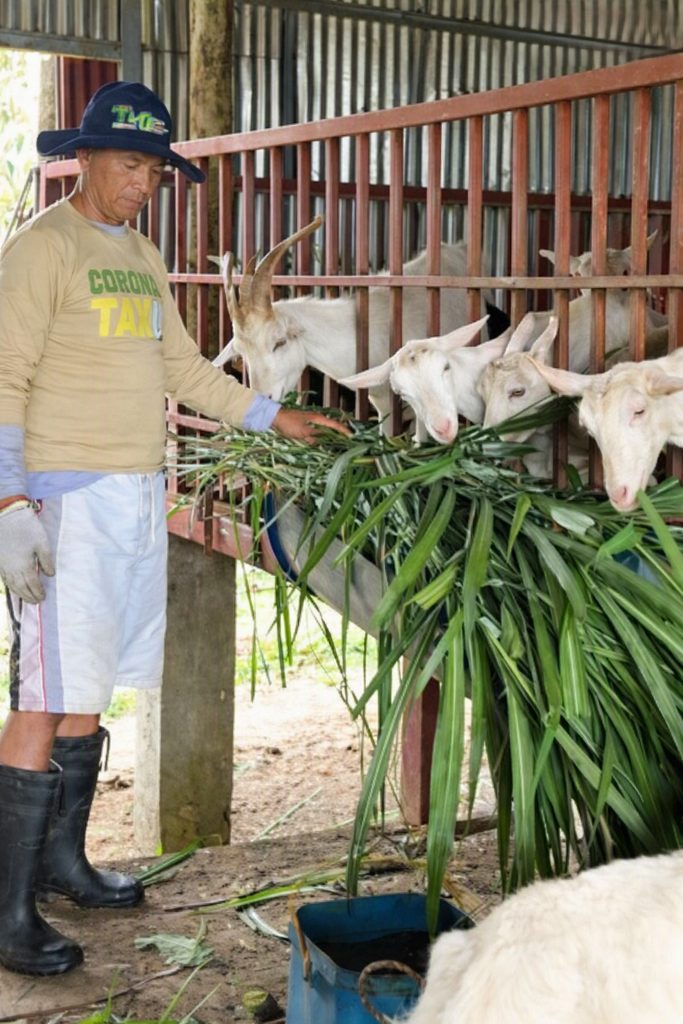
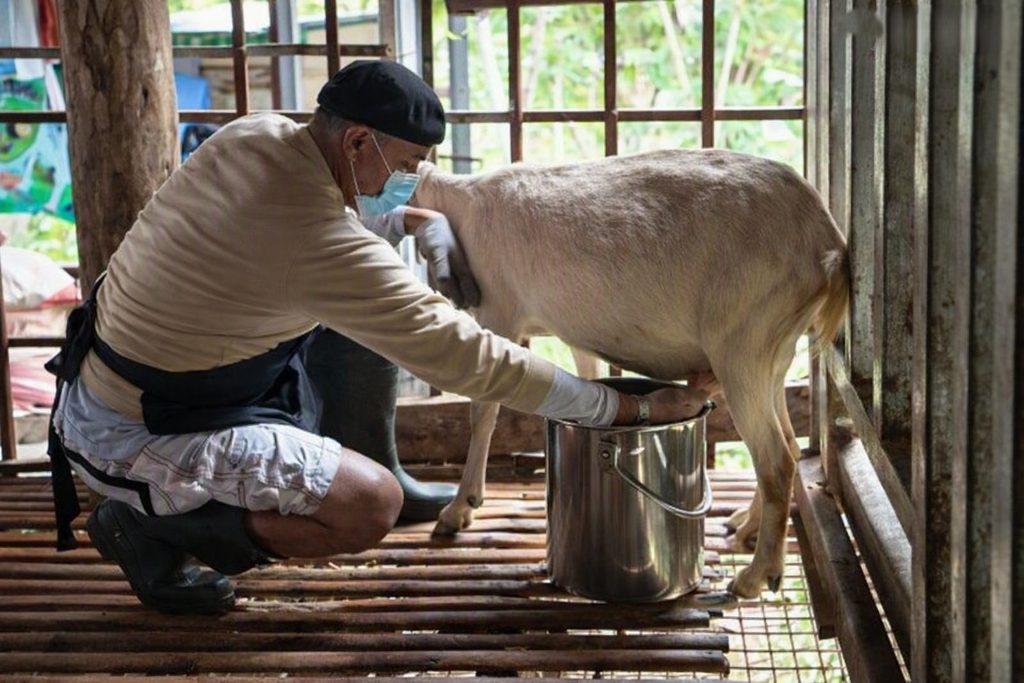
The farm is a diverse agricultural enterprise. Arabica coffee serves as its flagship crop, complemented by vegetables such as carrots, potatoes, cabbage, ginger, yacon, and bananas. Livestock, including dairy goats, cattle, and native chickens, add another dimension to the operation.
For Juther, the location itself is a major advantage.
He inherited the property from his parents and in-laws, but beyond family ties, the area’s elevation makes it ideal for premium agricultural products. The cooler climate favors Arabica coffee production and high-value vegetables, crops capable of generating strong returns while thriving in mountain conditions.
Coffee, however, remains at the center of his long-term vision. On his farm grow several Arabica varieties, including Catimor, Costa Rica-95, Sweet Coffee, Yellow Bourbon, Typica, and Catigua. These cultivars were selected for their potential productivity and adaptability to local conditions.
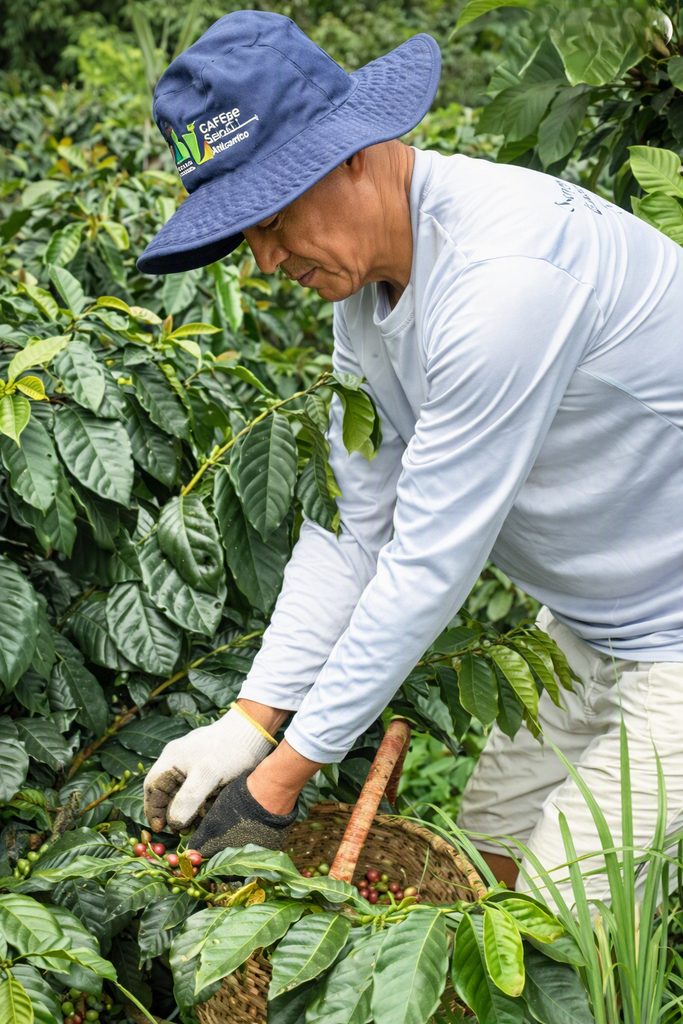
“High demand internationally and locally” is among the reasons he continues investing in coffee production, he explained. He also pointed to government efforts to strengthen the industry through the Coffee Industry Development Office.
Although his coffee trees are still relatively young, at around three years old, they have already begun producing. Current yields remain modest, with harvests averaging less than a kilogram per tree, but Juther views this as merely the first stage of a larger endeavor. His immediate planting area covers less than half a hectare, yet he hopes eventually to expand coffee cultivation to five hectares.
His agricultural strategy extends beyond growing coffee. Understanding that quality planting materials are essential to productivity, he established a nursery dedicated to Arabica coffee seedlings. The nursery allows him to maintain standards while helping other farmers access healthy, vigorous plants.
Farmers, neighbors, and even agricultural stakeholders from South Cotabato purchase seedlings from his operation. Each seedling is carefully nurtured for six to seven months before sale, ensuring it has developed sufficient leaf growth and root strength.
The process reflects both his technical training and practical experience. Quality berries are selected from productive mother plants, processed and dried, soaked in growth hormone, and germinated before being transferred to growing media composed of soil, vermicast, and rice hulls. Indigenous microorganisms are incorporated to enrich the medium. Seedlings remain in the nursery for several months before undergoing a hardening stage in the field.
Juther’s emphasis on sustainability is equally evident in his commitment to organic farming. Rather than relying heavily on synthetic chemicals, he utilizes biological control agents such as Beauveria bassiana and Trichoderma, supplied through the Department of Agriculture. These biological inputs help manage pests and diseases while supporting ecological balance.
Why embrace organic agriculture despite its challenges? “For sustainability of farming, for improvement of soil health, and to protect public health,” Juther reasoned.
Those principles have become increasingly important as farmers confront unpredictable weather patterns linked to climate change. Like many growers across the country, he has witnessed the effects of droughts and intense rainfall on agricultural production. These realities, he says, require farmers to improve resilience and adopt new technologies.
Yet despite the difficulties, Rafal finds the work deeply rewarding. “I find happiness, satisfaction, and fulfillment,” he said when asked what agriculture means to him.
His academic background demonstrates an enduring commitment to learning. Beyond earning a degree in agriculture with majors in agronomy and animal science, he completed a Master of Public Affairs Management and is pursuing a doctorate in Rural Development.
That blend of technical expertise, public service experience, and community involvement positions him as both a farmer and a local advocate for agricultural development.
He is an active member of the Balutakay Integrated Agricultural Farmers Association, a group of approximately 150 members engaged in producing coffee, vegetables, fruits, and coconuts. Through organized farmer associations, he sees opportunities for knowledge sharing, stronger market access, and improved livelihoods.
Marketing, he believes, is just as important as production.
One of the most valuable lessons he has learned is that modern farmers must go beyond cultivation. They should explore value-adding activities, processing, and direct marketing to maximize earnings and generate employment opportunities.
His own farm reflects this philosophy. Coffee can be sold as berries, beans, or processed products through cooperative arrangements, creating several income streams rather than relying on a single market outlet.
Juther is particularly passionate about encouraging younger generations to enter agriculture. With Filipino farmers aging and fewer young people choosing farming as a career, he sees an urgent need to cultivate a new generation of agricultural entrepreneurs.
“Farming practice yields good income if we value-add to our farm produce,” he emphasized.
His story serves as proof that agriculture can offer not only economic opportunity but also personal fulfillment. After years of serving communities through law enforcement, he now contributes in a different but equally vital way: helping produce food, develop rural livelihoods, and promote sustainable farming practices.
Standing among young coffee trees on the slopes of Mt. Apo, the 58-year-old Juther has found a second calling. The badge may be gone, but the spirit of service remains.
“Farming is hard work,” he reflected, “but it’s honest work that feeds people, including my family.”
In a time when agriculture faces mounting challenges, those words capture a timeless truth. And for Jose O. Rafal, they also define a life dedicated to cultivating not only crops, but purpose.

 Facebook
 Twitter