
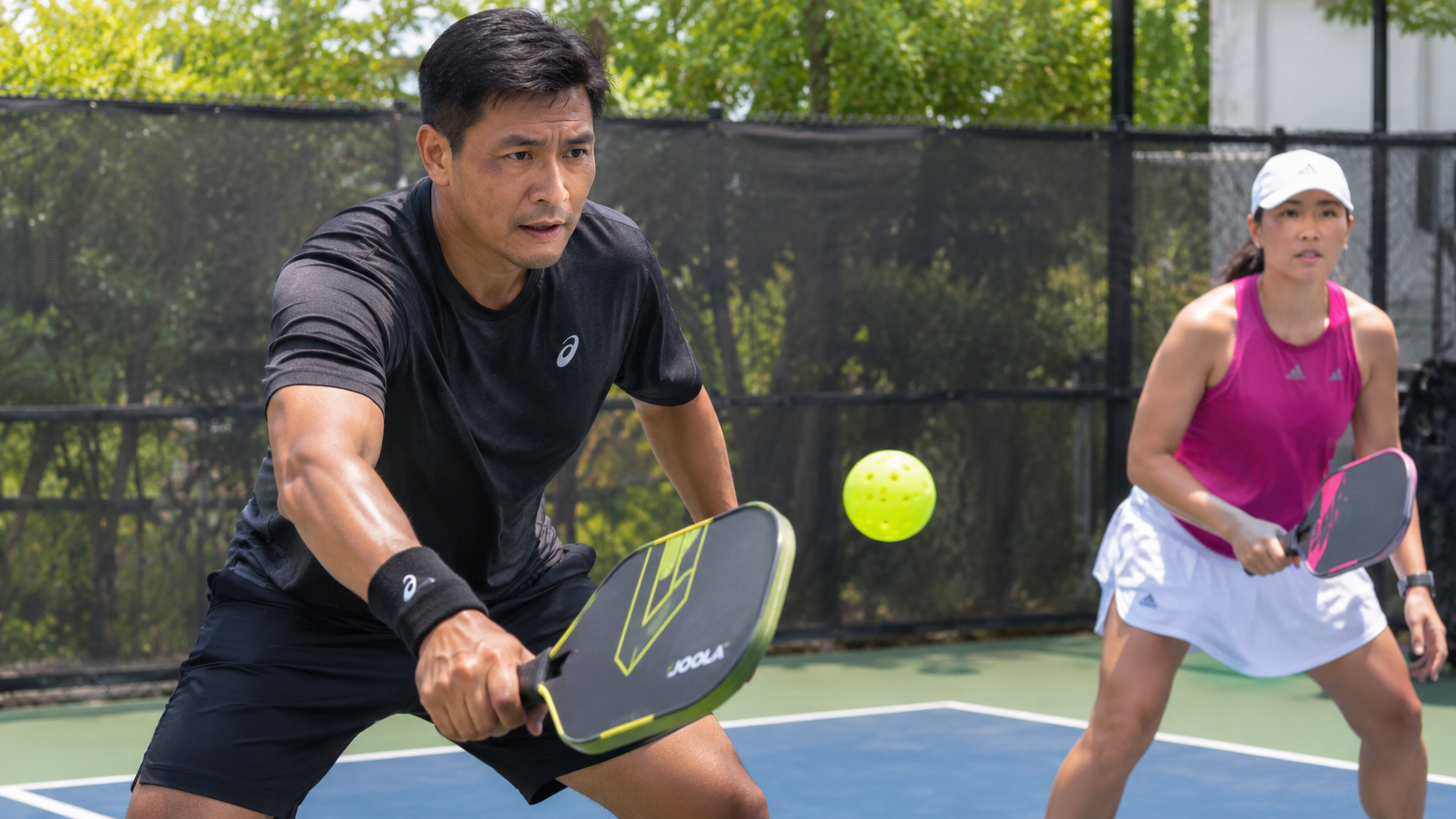
Pickleball heart health is becoming an important topic as more people take up the sport to stay active and improve their fitness. Combining elements of tennis, badminton, and table tennis, pickleball provides cardiovascular exercise through walking, quick movements, and short bursts of activity. While regular play may support heart health and overall physical fitness, intense matches can also place additional demands on the cardiovascular system, particularly among people with existing heart conditions or those who are not accustomed to exercise. Understanding the benefits, potential risks, and warning signs can help players make informed decisions about participating safely.
But as more people take up pickleball, an important health question deserves attention: Can playing pickleball put your heart at risk?
Like other physical activities, pickleball can benefit cardiovascular health when played regularly and at an appropriate intensity. However, sudden bursts of movement, prolonged rallies, and competitive matches can place additional demands on the heart. For people with underlying cardiovascular conditions or those who rarely exercise, intense physical exertion may increase the risk of a cardiac event.
This does not mean pickleball is dangerous for everyone. Understanding its benefits, potential risks, and warning signs can help players make informed decisions and enjoy the sport more safely.
What Makes Pickleball a Physical Workout?
Pickleball is played on a smaller court than tennis, using solid paddles and a lightweight perforated plastic ball. Although the court is relatively compact, the game involves frequent movement, including walking, quick steps, lateral movements, reaching, and short bursts of acceleration.
The intensity depends on how someone plays. A casual recreational game may involve moderate activity, while competitive matches can demand considerably more cardiovascular effort.
Players may experience an increase in heart rate as they move around the court, respond to shots, and maintain longer rallies. These movements can help improve physical conditioning over time.
However, players should not assume that a smaller court automatically means a low-intensity workout. The physical demands can increase quickly, particularly during competitive games.
Can Pickleball Trigger a Heart Attack?
The possibility exists, particularly among people with underlying heart disease or other cardiovascular risk factors.
During physical activity, the heart works harder to deliver oxygen-rich blood to the muscles. Heart rate and blood pressure naturally increase to meet the body’s demands.
For most healthy individuals, this is a normal response to exercise. However, sudden or unusually strenuous physical activity can temporarily increase the risk of a heart attack in susceptible individuals.
A heart attack occurs when blood flow to part of the heart muscle becomes severely reduced or blocked, commonly because of coronary artery disease.
Someone with narrowed coronary arteries may experience symptoms when physical exertion increases the heart’s demand for oxygen. In some cases, this can trigger a cardiac event.
This is particularly relevant to people who:
- Have existing coronary artery disease.
- Have uncontrolled high blood pressure.
- Have diabetes or multiple cardiovascular risk factors.
- Smoke or have a history of smoking.
- Have a family history of premature heart disease.
- Have been physically inactive and suddenly begin intense exercise.
Age can also influence cardiovascular risk, although heart problems can affect younger adults as well.
Importantly, this does not mean pickleball itself causes heart disease. The concern is that strenuous exercise can sometimes act as a trigger in someone who already has an underlying cardiovascular problem.
The Health Benefits of Playing Pickleball
Despite the potential risks, pickleball offers several health benefits when played consistently and safely.
1. Supports Cardiovascular Fitness
One of the main benefits of pickleball is that it encourages regular physical activity. Moving around the court increases heart rate and requires the cardiovascular system to deliver oxygen to working muscles.
Over time, appropriately paced exercise can help improve cardiorespiratory fitness and support healthy blood pressure.
The American Heart Association has highlighted pickleball as an activity that can be enjoyable even for some people with heart conditions, provided they consult their healthcare team before participating. American Heart Association
2. Helps Improve Balance and Coordination
Pickleball involves quick movements, changes in direction, hand-eye coordination, and controlled footwork.
These activities can help players develop better balance and coordination, which are particularly important as people grow older.
A 2026 study published in the Journal of Aging and Physical Activity compared older pickleball players with non-players. Researchers found that the pickleball participants had significantly better balance and leg strength.
However, the study involved only 28 participants, so larger studies are needed to confirm the findings. PubMed
3. Helps Manage Body Weight
Playing pickleball requires continuous movement, which can contribute to daily energy expenditure.
The number of calories burned depends on several factors, including body weight, playing duration, intensity, and rest periods.
Regular participation may help people manage their weight when combined with balanced nutrition and other healthy lifestyle habits.
However, pickleball should not be treated as a guaranteed weight-loss solution. Consistency and overall activity levels matter more than a single game.
4. Supports Mental Health and Social Well-Being
Physical activity can support mental well-being by helping reduce stress and improving mood.
Pickleball also offers a social component because players often participate in doubles matches, recreational groups, and community activities.
For people who find traditional gym workouts repetitive, playing a sport with friends can make exercise more enjoyable and easier to maintain.
5. May Support Healthy Aging
Staying physically active is important for maintaining mobility, strength, and independence later in life.
Pickleball combines movement, coordination, and social interaction, making it an appealing recreational option for many older adults.
A 2026 randomized controlled trial involving 72 older adults with pre-frailty also reported improvements in physical fitness and quality-of-life measures after an eight-week supervised pickleball program. The findings are promising, although they should not be interpreted as proof that pickleball prevents age-related diseases. PubMed
The Potential Health Risks of Playing Pickleball
Although pickleball can be beneficial, players should understand that physical activity also carries potential risks.
1. Heart Attack and Other Cardiac Events
The most serious concern is the possibility of a cardiac event during strenuous exercise.
A 2025 study examining pickleball-related emergency department visits in the United States reported five cardiac arrest deaths among the cases analyzed.
This finding deserves attention, but it needs to be interpreted carefully. The study examined people who presented to emergency departments, not all pickleball participants. It therefore cannot establish the overall likelihood of cardiac arrest among players or prove that pickleball caused those events. PubMed+1
For players with underlying cardiovascular conditions, the safest approach is to discuss exercise intensity and participation with a healthcare professional.
2. Muscle and Joint Injuries
Pickleball requires quick steps, sudden stops, lunges, and repeated arm movements.
These actions can contribute to injuries such as:
- Ankle sprains
- Knee pain
- Calf and hamstring strains
- Shoulder injuries
- Tennis elbow
- Wrist injuries
A 2025 analysis of pickleball injuries treated in US emergency departments found that older players were particularly vulnerable to certain upper-extremity injuries and fractures. Falls were also an important concern. PubMed+1
3. Dehydration and Heat Exhaustion
This is particularly important for Filipino players who participate in outdoor pickleball under hot and humid conditions.
Playing for extended periods in high temperatures can cause excessive sweating and fluid loss. When the body cannot cool itself effectively, players may experience dehydration and heat-related illness.
Warning signs include:
- Unusual fatigue or weakness
- Headaches
- Muscle cramps
- Dizziness
- Nausea
- Excessive sweating
The Centers for Disease Control and Prevention recommends scheduling outdoor exercise during cooler hours, taking breaks, drinking water regularly, and reducing activity intensity when conditions are hot. CDC+1
4. Overexertion Among Beginners
Some beginners become enthusiastic about the sport and immediately join long or competitive matches.
However, the body needs time to adapt to new physical demands.
Suddenly increasing exercise intensity can increase the likelihood of muscle injuries, exhaustion, and excessive cardiovascular strain, particularly among people who have been inactive.
Starting gradually is a safer way to develop endurance and improve fitness.
Who Should Be Careful Before Playing Pickleball?
Pickleball is not automatically off-limits to people with medical conditions. However, certain individuals may need medical advice before starting or increasing their activity.
These include:
- People diagnosed with coronary artery disease.
- Individuals with a history of heart attack or stroke.
- People with uncontrolled hypertension.
- Individuals with diabetes and additional cardiovascular risk factors.
- Adults who have been inactive for a long time.
- Older adults with balance problems or a history of falls.
People with diagnosed cardiovascular conditions should ask their doctors whether pickleball is appropriate and what level of intensity is safe.
The American Heart Association also emphasizes discussing new physical activities with a medical professional when someone has an existing heart condition. American Heart Association
Warning Signs Players Should Never Ignore
One of the most important things pickleball players can learn is how to recognize symptoms that may indicate a serious medical emergency.
Possible heart attack warning signs
- Pressure, tightness, or pain in the chest.
- Pain or discomfort in one or both arms.
- Pain spreading to the back, neck, jaw, or stomach.
- Unusual shortness of breath.
- Cold sweats.
- Nausea or vomiting.
- Sudden dizziness or lightheadedness.MEDICAL EMERGENCYStop playing and call 911 immediately if these symptoms occur. Do not attempt to finish the match or drive yourself to the hospital.
According to the American Heart Association, heart attack symptoms can begin suddenly or develop gradually. Some people experience symptoms without the typical severe chest pain. American Heart Association
If someone collapses, becomes unresponsive, and is not breathing normally, this may indicate cardiac arrest. Call emergency services, begin CPR if trained, and use an automated external defibrillator (AED) if available.
How to Play Pickleball More Safely
Players do not need to avoid pickleball simply because it involves physical exertion. Instead, they should take practical precautions to reduce unnecessary risks.
Here are some important recommendations:
1. Warm up before playing. Spend several minutes walking, moving the joints, and performing light dynamic movements before starting a match.
2. Start with shorter sessions. Beginners should avoid immediately joining long competitive games. Gradually increase playing time as fitness improves.
3. Choose cooler playing hours. Whenever possible, play early in the morning or later in the afternoon instead of during the hottest part of the day.
4. Stay hydrated. Drink water before, during, and after playing. Take additional breaks when sweating heavily or playing in humid conditions.
5. Wear appropriate footwear. Use court shoes that provide adequate grip and lateral support to help reduce the risk of slipping and ankle injuries.
6. Listen to your body. Unusual breathlessness, chest discomfort, dizziness, or extreme fatigue should never be ignored.
7. Get medical advice when necessary. People with existing heart conditions, uncontrolled blood pressure, or other significant health concerns should seek medical guidance before beginning intense exercise.
These precautions can help make pickleball a more sustainable part of a healthy lifestyle. CDC+2
So, Is Pickleball Good or Bad for Your Heart?
For most people who are medically able to participate, pickleball can be a beneficial form of physical activity. It encourages movement, supports cardiovascular fitness, helps develop balance and coordination, and provides opportunities for social interaction.
However, it is not completely risk-free.
The possibility of a heart attack or other cardiac event is particularly important for people with underlying cardiovascular disease, uncontrolled risk factors, or poor physical conditioning who suddenly engage in strenuous activity.
The best approach is to understand your current health, build your fitness gradually, and recognize when your body needs rest or medical attention.
Ultimately, pickleball can be part of a heart-healthy lifestyle, but playing safely is just as important as playing regularly.
Final Editorial Note
The article is based on medical guidance and published research, including:
- American Heart Association – Pickleball and people with heart conditions
- American Heart Association – Heart Attack Warning Signs
- Journal of Aging and Physical Activity – Physical and Cognitive Benefits
- 2025 Study – Epidemiology of Pickleball Injuries
- CDC – Heat and Athletes
Publication recommendation: Health category, evergreen article. The article deliberately distinguishes a possible exercise-triggered cardiac event from the claim that pickleball is inherently dangerous to the heart. This distinction is important for medical accuracy and reader trust.

 Facebook
 Twitter