
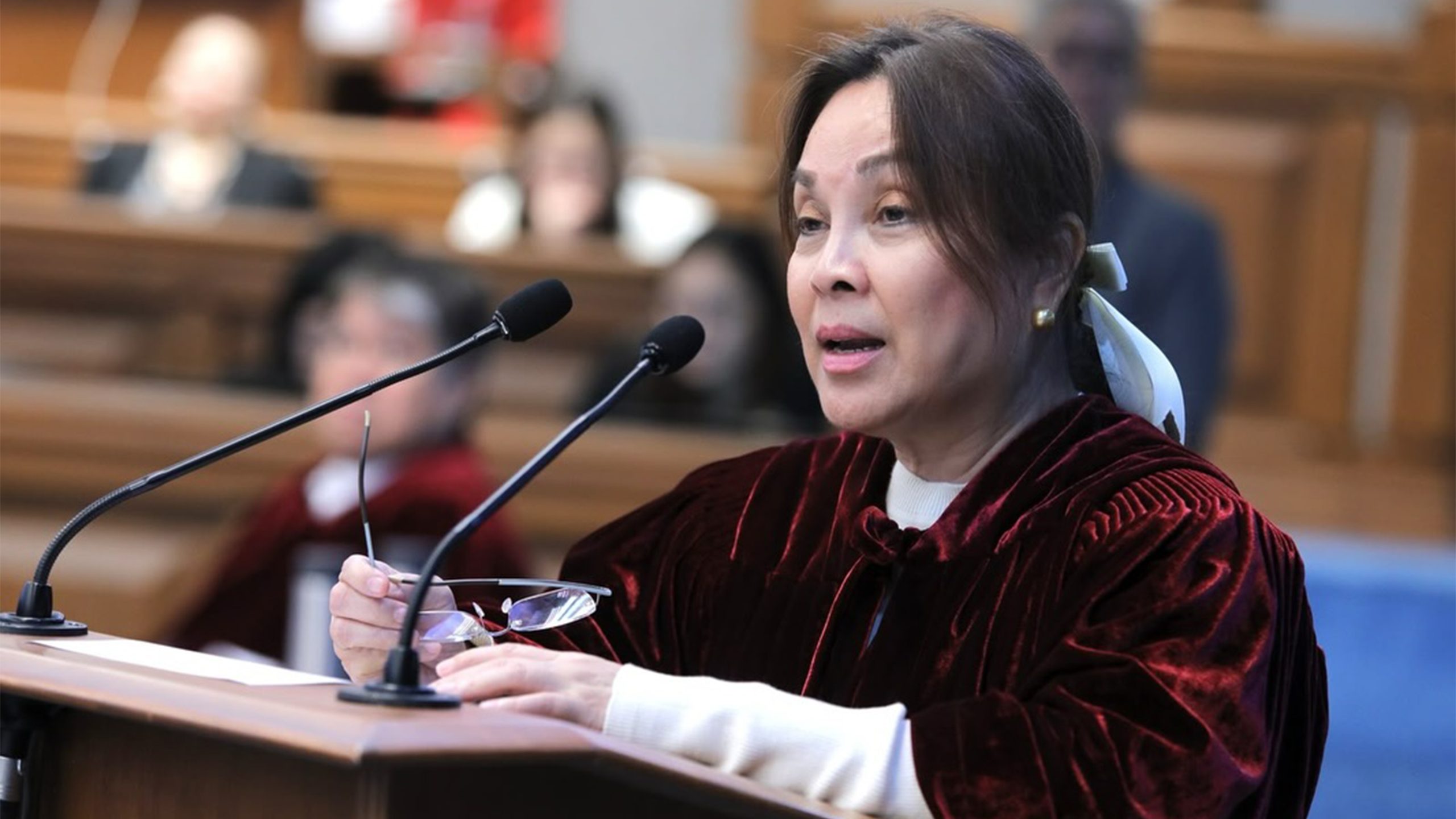
Filipino women in Philippine history are at the center of two proposed legislative measures filed by Senator Loren Legarda, seeking to establish a dedicated museum and strengthen the inclusion of women’s contributions in school curricula. The initiatives aim to preserve the stories of women who helped shape the country’s political, cultural, social, and historical development.
Legarda filed Senate Bill No. 2608, or the proposed Museum of Filipino Women Act, and Senate Bill No. 2609, known as the Lakambini Act of 2026. Both measures aim to preserve the stories of Filipino women whose leadership, sacrifices, and contributions to nation-building have received limited attention in historical accounts.
In an announcement on November 24, Legarda said the country’s historical narratives should give more space to women who fought for freedom, built communities, and made significant contributions across different fields.
“Maraming kababaihan ang nag-alay ng kanilang talino, lakas, at buhay para sa ating bayan, pero ilan ba sa kanilang mga kuwento ang tunay nating kilala?” Legarda said, emphasizing the importance of including women’s experiences in museums, educational materials, and the history passed on to younger generations.
Proposed Museum to Preserve Filipino Women’s Stories
Under Senate Bill No. 2608, the proposed Museo ng Kababaihang Pilipino would be established as a specialized museum within the National Museum of the Philippines.
The museum would operate under the National Museum’s existing governance structure, avoiding the creation of a separate government agency or governing board.
Its proposed functions include documenting, preserving, studying, and showcasing the experiences of Filipino women across different generations.
The collection would cover women from various backgrounds and professions, including revolutionaries, community leaders, farmers, fisherfolk, weavers, caregivers, migrant workers, educators, artists, and scientists.
The proposal also seeks to highlight the experiences of Indigenous and Moro women, women with disabilities, and those affected by war, displacement, discrimination, and gender-based violence.
Planned features include permanent and traveling exhibitions, digital displays, community-led collections, and a searchable public digital archive.
Regular exhibitions and publicly accessible digital materials would be free of charge, subject to applicable safeguards. Regional partnerships and online programs are also envisioned to make the museum’s resources accessible to Filipinos outside Metro Manila.
Lakambini Act Seeks to Include Women’s Contributions in School Curricula
Meanwhile, Senate Bill No. 2609, or the Lakambini Act of 2026, focuses on strengthening the representation of Filipino women in the country’s education system.
Rather than creating a separate school subject, the proposal seeks to integrate women’s historical contributions into existing learning areas, including Philippine history, social studies, literature, arts, culture, and science.
The measure covers public and private basic education institutions.
Under the proposal, the Department of Education (DepEd) would develop age-appropriate instructional materials to help students understand the achievements and experiences of historically significant Filipino women.
The Commission on Higher Education (CHED), meanwhile, would prepare model frameworks and recommended approaches for colleges and universities, while respecting academic freedom and institutional curricular autonomy.
The proposed legislation also encourages the use of literature, films, documentaries, theater, digital media, and community-based artworks to make lessons more engaging and accessible.
It seeks to recognize not only nationally known historical figures but also local leaders, Indigenous women, and other women whose contributions are supported by historical evidence.
Building on Existing Women’s Rights and Heritage Laws
The two proposals complement existing legislation on women’s rights, cultural preservation, and education.
These include Republic Act No. 9710, or the Magna Carta of Women, which provides for addressing gender stereotypes and representations in educational materials and curricula.
They also build on Republic Act No. 11333, or the National Museum of the Philippines Act, and Republic Act No. 11961, which strengthened cultural mapping and heritage education.
Through the proposed measures, Legarda aims to connect the preservation of women’s historical contributions with their representation in museums and classrooms.
Giving Future Generations a Broader View of Philippine History
The proposed measures could expand how Filipino students learn about the country’s past by bringing greater attention to women whose contributions may be overlooked in traditional historical narratives.
Beyond prominent revolutionary figures and national personalities, the proposals seek to recognize women who contributed to communities through education, agriculture, science, culture, and public service.
For Legarda, preserving these stories is also about ensuring that future generations understand the role women played in shaping the nation.
Both Senate Bill No. 2608 and Senate Bill No. 2609 remain proposed legislation and would still need to go through the legislative process before becoming law.
If approved, the measures could provide a more comprehensive approach to preserving Filipino women’s history and making their contributions more visible to students and the wider public.

 Facebook
 Twitter