
The Leni Robredo 2028 presidential bid is no longer an option, shifting attention to potential opposition leaders who could challenge Vice President Sara Duterte in the next national elections. With Robredo choosing to focus on local governance, political groups must now consider who has the experience, public support and political organization to unite the opposition ahead of 2028.
Robredo, the former vice president and current mayor of Naga City, has made clear that she intends to focus on local governance rather than return to national politics. Her decision leaves opposition groups with an important political challenge: finding a candidate capable of uniting their supporters and attracting voters beyond their traditional base.
With the 2028 presidential elections approaching, the search for a possible opposition standard-bearer is becoming an increasingly important issue for the country’s political landscape.
Leni Robredo’s Decision Changes the Opposition’s Direction
Robredo’s decision not to seek the presidency removes one of the opposition’s most recognizable potential candidates from the 2028 race.
Her political influence remains significant, particularly among supporters of the reform-oriented movement that backed her presidential campaign in 2022.
However, her decision to concentrate on Naga City governance suggests that opposition groups may need to develop a new national leadership strategy rather than rely on the possibility of her returning to the presidential race.
The challenge is not simply finding someone willing to run. The opposition needs a candidate with national appeal, political experience and the ability to build alliances across different regions.
Kiko Pangilinan: Experience and Familiarity With the Opposition
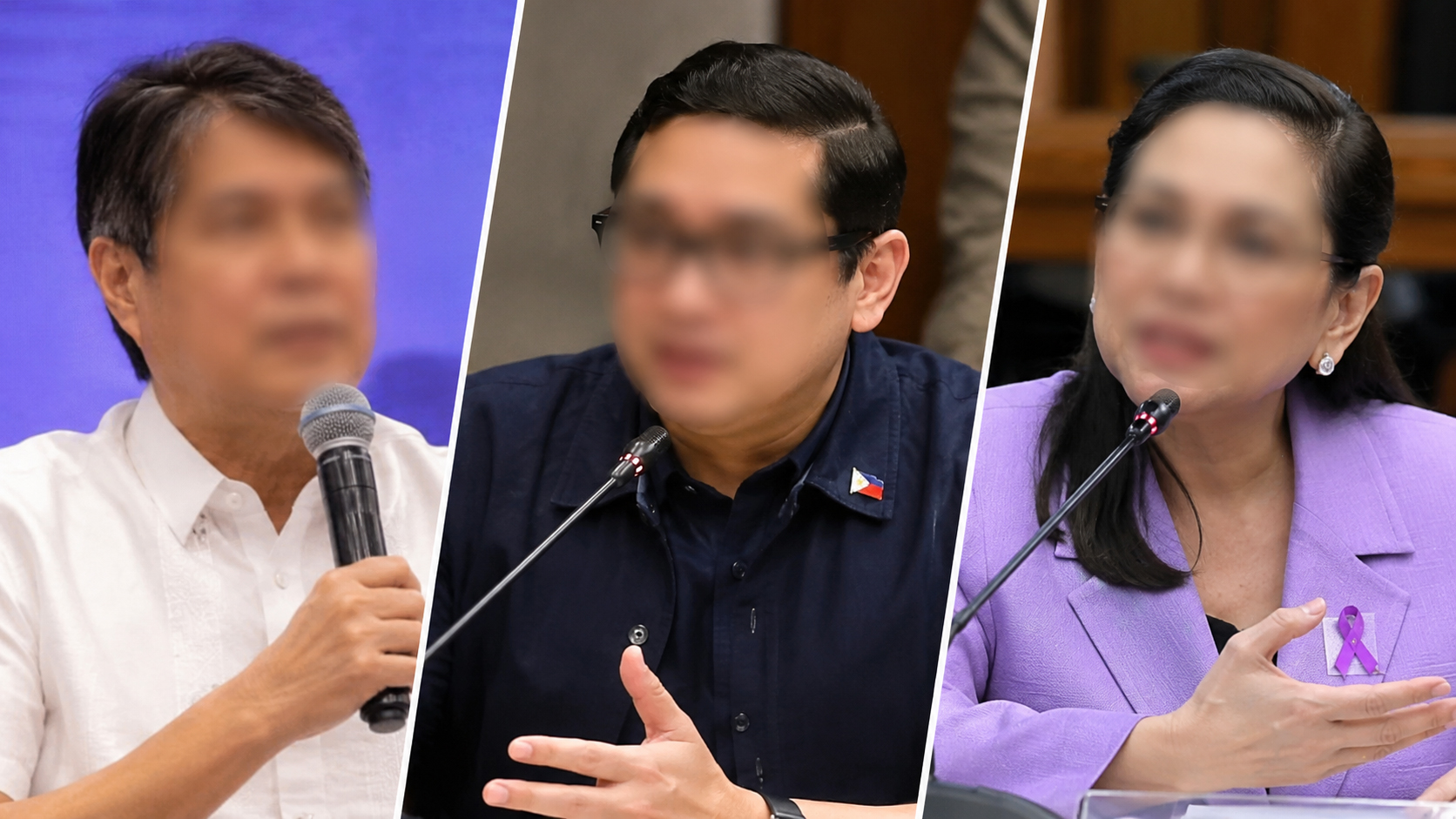
Senator Francis “Kiko” Pangilinan is one of the personalities who could potentially emerge as a unity candidate.
Pangilinan previously served as a senator and secretary of agriculture. He also ran alongside Robredo in the 2022 national elections, making him a familiar figure among supporters of the former vice president.
His experience in legislation and agriculture could provide a foundation for a campaign focused on food security, farmers’ welfare, rising prices and economic development.
However, a presidential campaign would require Pangilinan to demonstrate that he can attract voters beyond the existing opposition movement.
His ability to connect with ordinary Filipinos, particularly in regions where opposition candidates have struggled, could become an important factor.
Bam Aquino: A Potential Choice for Younger Voters
Senator Bam Aquino could offer a different direction for the opposition.
The former senator returned to the Senate following the 2025 elections and has been associated with issues involving education, entrepreneurship, youth development and economic opportunities.
These issues could help him connect with younger Filipinos and voters looking for practical solutions to employment, education and livelihood concerns.
Aquino may also benefit from his experience in the Senate and his established political connections.
Nevertheless, he would need to strengthen his national profile and demonstrate that his appeal extends beyond younger and reform-oriented voters.
His potential candidacy could represent an opportunity for the opposition to introduce a leadership message centered on economic opportunities and generational change.
Risa Hontiveros: An Established Opposition Voice
Senator Risa Hontiveros is another possible contender who could attract support from opposition groups.
As one of the country’s most recognizable opposition senators, Hontiveros has built her political identity around issues involving public accountability, women’s rights, healthcare and social protection.
Her experience in the Senate and visibility in national political debates give her an established platform.
She has also expressed openness to taking on a leadership role in the 2028 elections, depending on the opposition coalition’s decision.
However, turning her existing political support into a competitive nationwide presidential campaign would be a major undertaking.
She would need to broaden her appeal among independent voters and build stronger political alliances across the country.
Sara Duterte Remains a Major Electoral Challenge
Whoever eventually becomes the opposition’s presidential candidate will face a difficult electoral environment.
Pulse Asia’s September 17–24, 2026 survey placed Vice President Sara Duterte at 50% in presidential preference, followed by Robredo at 26%, Senator Raffy Tulfo at 12% and Hontiveros at 3%.
A separate OCTA Research survey conducted from September 28 to October 4 showed Duterte leading Robredo in a hypothetical presidential matchup, 40% to 33%.
These results indicate that Duterte remains a formidable potential contender. However, the surveys were conducted using hypothetical candidate combinations and should not be treated as predictions of the actual 2028 election.
The figures also cannot establish which of the three potential opposition candidates would perform best in a direct contest against Duterte.
Can the Opposition Unite Behind One Candidate?
Beyond choosing a presidential candidate, the opposition must address the possibility of dividing its voter base.
Liberal Party president Erin Tañada has previously discussed the importance of presenting a unified opposition candidate. The broader coalition-building effort involves groups and personalities that may have different political priorities and strategies.
A divided opposition could make it more difficult to compete against candidates with established national organizations and regional political alliances.
The next presidential campaign will also likely revolve around issues that directly affect Filipino households, including inflation, employment, food prices, transportation, education and public services.
A candidate who can present practical solutions to these concerns may have a better opportunity to attract voters who are not firmly aligned with any political camp.
The Opposition’s Search for a New Leader
Robredo’s decision not to seek the presidency does not mean the opposition has run out of potential candidates.
Pangilinan, Aquino and Hontiveros each bring different political experiences, strengths and potential voter appeal. However, none has yet secured the opposition’s official presidential nomination.
The coming months will be important in determining whether opposition groups can agree on a single candidate and develop a national campaign capable of competing in 2028.
Ultimately, the question is not just who can replace Robredo as the opposition’s most recognizable figure. It is who can build a broader political coalition, present a credible governing agenda and convince Filipino voters that the opposition offers a viable alternative.
For now, the race to find that leader remains open.

 Facebook
 Twitter