
Words and Photos by Henrylito D. Tacio
The forest does not shout when it is dying. It simply thins — quietly, imperceptibly — until one day the great creatures that once ruled its canopy vanish without a farewell. In the mountains of Davao City, however, the forest still breathes.
Its silence is broken by the powerful wingbeats of the Philippine eagle, a species so rare that seeing even one feels like witnessing the forest’s heartbeat. And now, the people who have lived longest with these birds — the Obu Manuvu — are asking the nation to help ensure that heartbeat never fades.
“We do not own planet Earth; we belong to it. And we must share it with our wildlife,” said the late Steve Irwin, renowned Australian wildlife expert and conservationist. His words ring sharply today as the world loses species at a pace never before seen in human history. The Philippines, one of the planet’s richest biodiversity hotspots, is no exception.
Across the archipelago, wildlife species that once thrived in forests, wetlands, and mountains are slipping toward extinction. Human activities — deforestation, hunting, land conversion — have pushed many of them to the brink. To prevent their disappearance, conservationists and government agencies have turned to a powerful tool: the establishment of critical habitats, areas where threatened species can feed, breed, rest, and survive.
What Critical Habitats Mean for Wildlife
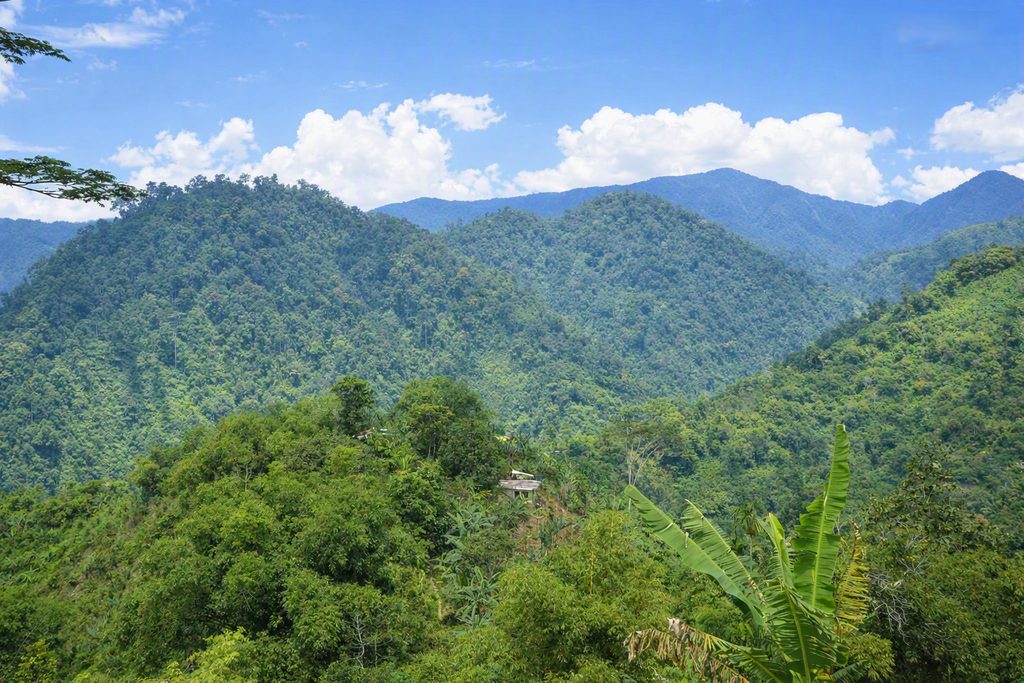
Republic Act 9147, or the Wildlife Resources Conservation and Protection Act, defines critical habitats as areas essential to the survival of threatened species. These include nesting sites for endangered birds, roosting areas for bats, marine turtle nesting beaches, feeding grounds, congregation zones, and migratory stopovers.
Environmentalists emphasize that protecting these areas is not optional — it is foundational. The Center for Biological Diversity notes that species with federally protected critical habitats are more than twice as likely to move toward recovery as those without such protection.
In the Philippines, the Department of Environment and Natural Resources (DENR) has recorded 11 officially designated critical habitats nationwide. Luzon hosts several: the Adams Wildlife Critical Habitat in Ilocos Norte, the Malasi Tree Park and Wildlife Sanctuary in Isabela, the Mangatarem Critical Habitat in Pangasinan, the Cabusao Wetlands in Camarines Sur, and the Sasmuan‑Bankung Malapad area in Pampanga.
In the Visayas and Mindanao, only three have been established: the Magsaysay Critical Habitat in Misamis Oriental, the Carmen Critical Habitat in Agusan del Norte, and the Rafflesia schadenbergiana Critical Habitat in Bukidnon.
Palawan, the country’s last ecological frontier, has Lawak Island, the Dumaran Critical Habitat, and the expansive Cleopatra’s Needle Critical Habitat.
Now, Mindanao may soon add another — one that is both biologically rich and culturally sacred.
A Historic Proposal from the Obu Manuvu
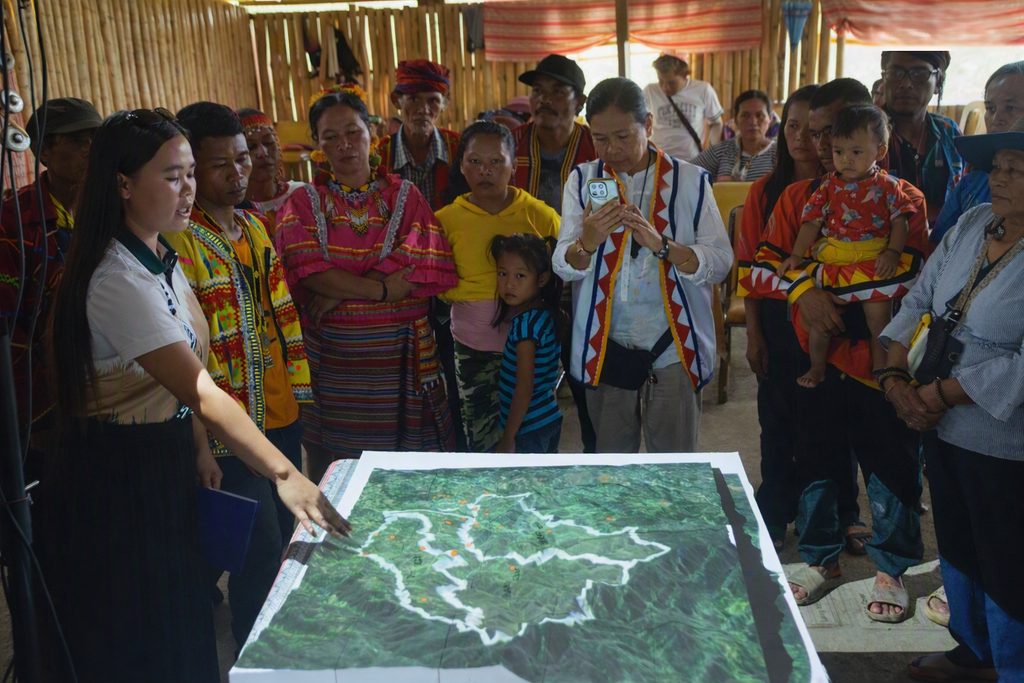
In the Davao Region, the three main clans of the Obu Manuvu have formally proposed that the mountain ranges from Kuruwonnan Alihowan to Atol’lun Kahubbarran be declared a critical habitat. The proposal has been submitted to the DENR through the Biodiversity Management Bureau.
“This is quite innovative, as it would mark the first critical habitat that encompasses the same sacred forests recognized by the indigenous community as an indigenous protected area,” explains Dr. Jayson C. Ibáñez, a respected conservation biologist.
The proposed site lies in Barangay Tambobong, Baguio District, Davao City — an area long known as a historically significant nesting and foraging ground for the Philippine eagle. Local residents first documented eagle presence here in the 1970s, making it one of the earliest known eagle territories in the region.
For the Obu Manuvu, Tambobong is more than habitat. It is Dum’aupa or Kuruwonnan Alihowan — the “Sacred Forest” — a place intertwined with their identity, spirituality, and ancestral stewardship.
Why Tambobong Matters to the Philippine Eagle
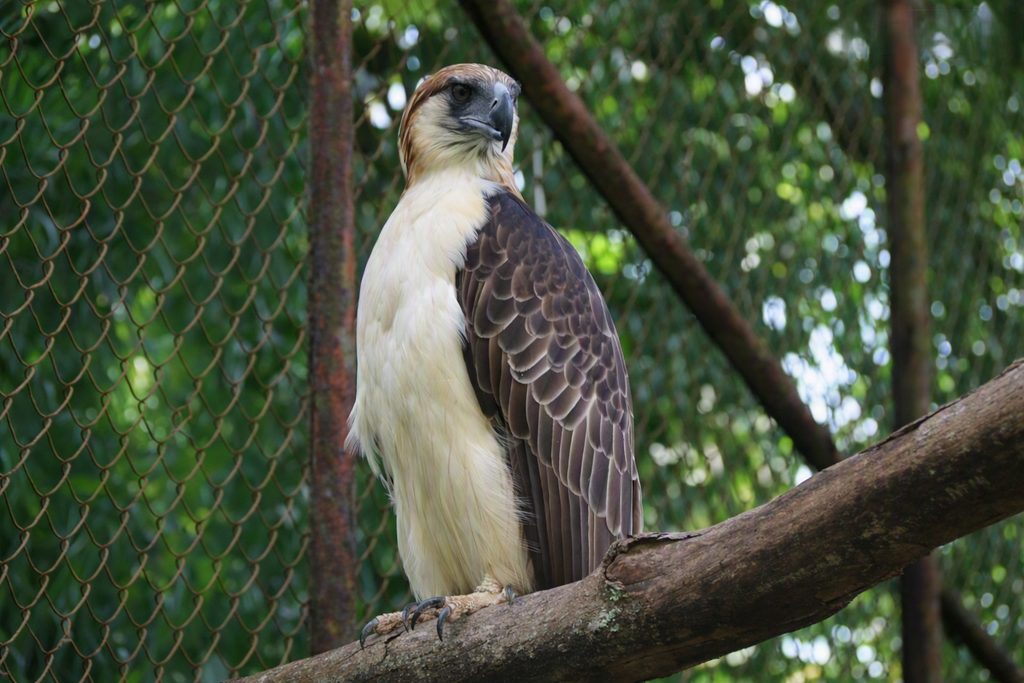
The Philippine eagle, the country’s national bird, thrives in moist lowland and montane forests — particularly steep, rugged terrain with towering trees. Research shows the species favors dipterocarp and mid‑montane forests, ranging from low elevations up to 1,800 meters.
According to the Philippine Eagle Center (PEC), each breeding pair requires 4,000 to 11,000 hectares of forest to successfully raise a single chick. Eagles nest in massive trees near forest edges, allowing them to scan for prey such as monkeys, flying lemurs, civets, and other small‑to‑medium‑sized animals.
But the eagle’s survival is threatened by shrinking forests, habitat fragmentation, hunting, poaching, and its naturally slow reproductive rate.
Two years ago, teams from the Philippine Eagle Foundation, the DENR, and local forest guards surveyed Tambobong’s mountain ranges. Their findings were remarkable.
“A pair of Philippine eagles was observed hunting and flying between Tambobong and nearby Mount Macabol–Alikuson in Barangay Salaysay, where an active nest with a fledgling was also documented,” Dr. Ibáñez reports. “The close proximity of these sites indicates a healthy, connected rainforest ecosystem vital for eagle survival.”
Tambobong’s nearly 2,000‑hectare nesting site, once designated as a critical habitat, would become a nationally protected area — ensuring that the resident eagle pair can breed safely.
“The nest site is inherited by the next generation of breeding eagles when the current pair passes away,” Ibáñez explains. “Thus, the eagle critical habitat enables both current and future eagle pairs in Tambobong to breed safely and continuously.”
He considers Tambobong “the focal point for the reproduction and rejuvenation of the eagle population in Davao City and throughout the entire Mount Apo range.”
A Forest That Protects More Than Eagles
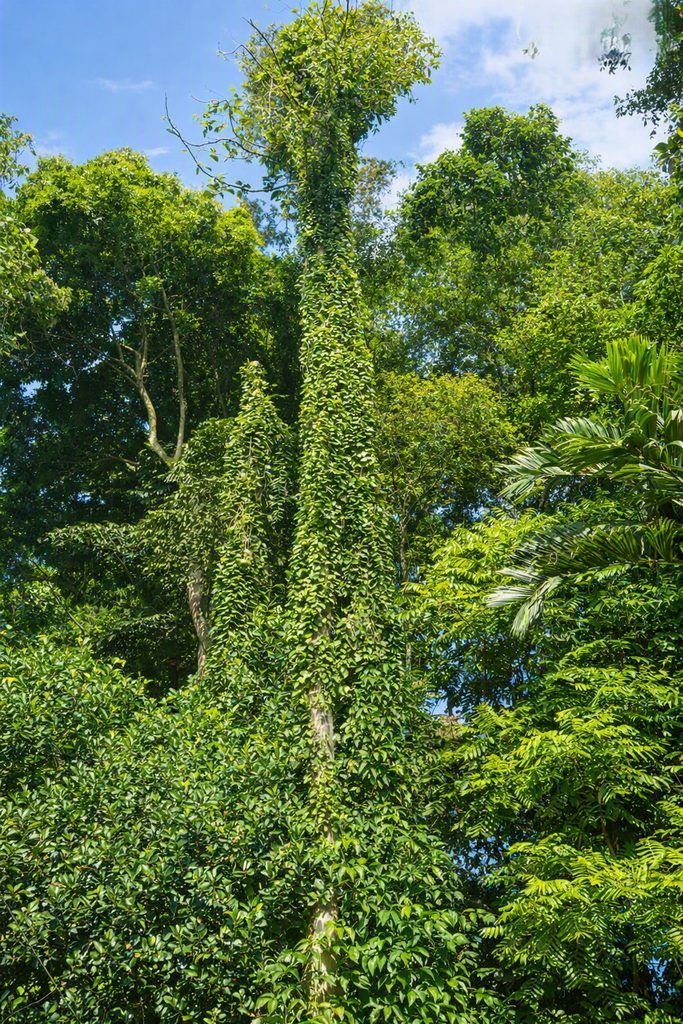
Tambobong’s forests are also a vital carbon sink. “This area purifies the air in Davao City, removing pollution and storing the city’s carbon emissions,” Ibáñez emphasizes.
Beyond the Philippine eagle, the proposed critical habitat shelters a wide array of wildlife, including:
- Philippine hanging parrot — kulasisi
- Writhed hornbill — kayamaktan
- Rufous hornbill — kalaw
- Philippine deer — binaw
- Philippine warty pig — baboy ihalas
- Amethyst brown dove — alimukon
- Giant scops owl — okang
- Mindanao hornbill — talusi
- Samar cobra — banakon
- Tarsier — mago
- Asian palm civet — milo
- Mindanao fanged frog — bakbak
The area also forms part of a watershed and conservation zone under Davao City’s Watershed Code (Ordinance No. 0310‑07), underscoring its importance in protecting water resources.
Threats That Endanger the Sacred Forest
Despite its ecological and cultural value, Tambobong faces mounting threats:
- Slash‑and‑burn agriculture
- Illegal hunting
- Illegal timber harvesting
- Conversion of forested areas into permanent agricultural land
These activities degrade habitats, reduce forest cover, and jeopardize both biodiversity and watershed stability.
A Chance to Protect What Remains
The Obu Manuvu’s proposal is more than a conservation initiative. It is a declaration of identity, a reaffirmation of ancestral stewardship, and a call for the nation to recognize that indigenous knowledge and biodiversity protection are inseparable.
If approved, the Tambobong Critical Habitat would stand as a landmark — the first critical habitat rooted in indigenous sacred forests, blending cultural heritage with scientific conservation.
In a time when forests fall silently and species disappear without witness, Tambobong offers a rare story of hope. Here, the forest still breathes. Here, the eagle still rises. And here, an indigenous community is fighting to ensure that both continue long after today.

 Facebook
 Twitter