
Words and Photos by Henrylito D. Tacio
Fish and rice form the backbone of the Filipino diet—an everyday pairing so culturally ingrained that it is difficult to imagine a Filipino table without them. Yet this familiar comfort is increasingly threatened. As fish populations decline across the country’s major fishing grounds, the Philippines faces a growing food security challenge rooted not only in overfishing but also in the silent collapse of its coral reefs.
The connection is direct and undeniable. “About 25% of the ocean’s fish depend on healthy coral reefs,” according to the US National Oceanic and Atmospheric Administration. When reefs die, fish disappear. And when fish disappear, Filipino families feel the loss immediately.
The Fragile Foundations of Filipino Fisheries
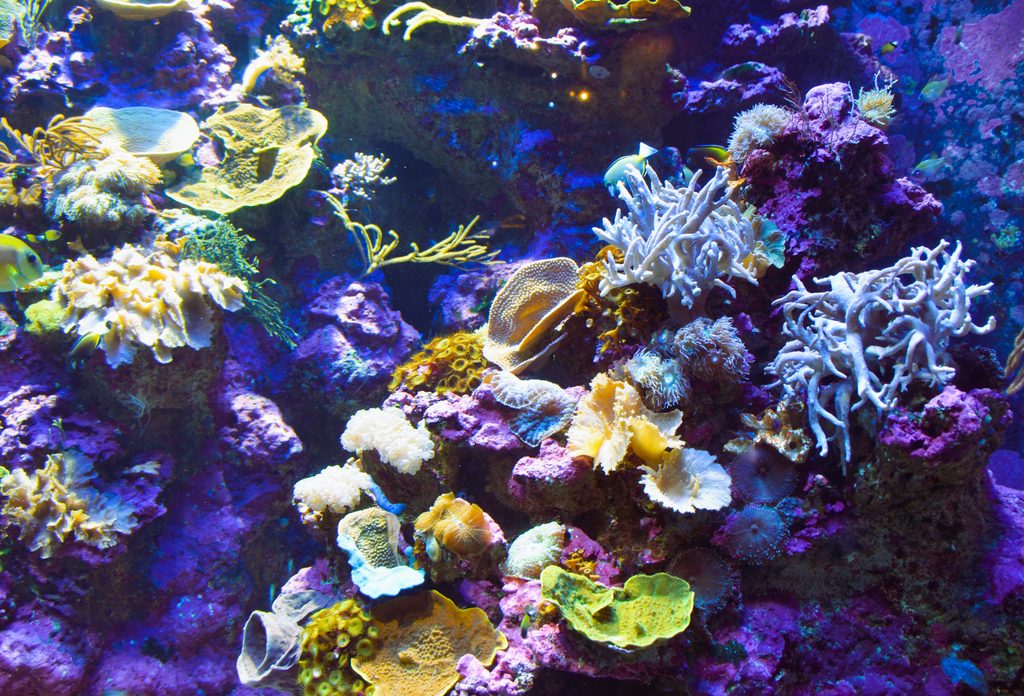
Many Filipinos know corals only as dried, bleached ornaments sold in coastal markets—objects that resemble rocks or plants rather than living animals. But corals are alive. Their essence lies in the polyp, “a remarkable structure that resembles a flower and is equipped with tentacle-like appendages.” These polyps build limestone formations that become coral reefs, the tropical rainforests of the sea.
Inside each polyp lives microscopic algae called zooxanthellae. As the US Environment Protection Agency (EPA) explains, “The coral polyps (animals) provide the algae (plants) a home, and in exchange the algae provide the polyps with food they generate through photosynthesis.” This partnership allows reefs to flourish in clear, sunlit waters—and gives corals their vibrant colors.
These reefs host an astonishing diversity of life: sponges, clams, crabs, sea stars, sea urchins, and countless fish species. They are also tightly linked to seagrass beds, mangrove forests, and mudflats, forming interconnected ecosystems that support coastal communities.
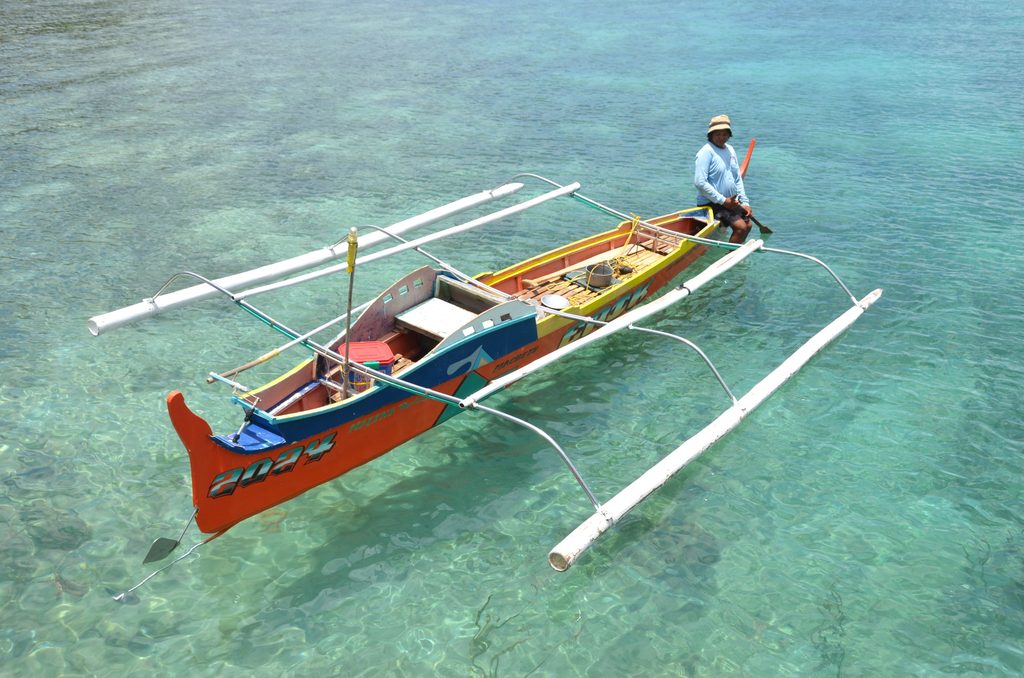
In terms of fishing productivity, coral reefs are 10 to 100 times more productive per unit area than the open ocean. For more than a million small-scale fishers, reefs are the foundation of livelihood, contributing nearly US$1 billion annually to the economy. But this foundation is crumbling.
A Nation Overfished
Studies show that the Philippines is already overfished by 70 percent. Overfishing alone is devastating, but the destruction of coral reefs—whether through pollution, destructive fishing, or coastal development—magnifies the crisis.
Nationwide assessments by the University of the Philippines Marine Science Institute reveal a grim picture: out of 742 monitored stations, only 5.3% remain in excellent condition. Meanwhile, 30.5% are in poor condition, with live coral cover below 24%.
Marine scientist Don McAllister once remarked, “Nowhere else in the world are coral reefs abused as much as the reefs in the Philippines.”
The consequences are already visible in the country’s fishing grounds—and nowhere is this more evident than in the Davao Gulf.
Davao Gulf: A Biodiversity Hotspot in Peril
The Davao Gulf is one of the most diverse marine ecosystems in the world. It is a feeding ground for 11 species of cetaceans—including sperm whales and dolphins—and a nursery for endangered marine turtles.
Yet beneath its waters, the reefs are dying. As early as 2006, over 80% of the gulf’s coral reefs were already degraded. “The coral reefs in almost all areas of Davao Gulf are in bad condition,” a regional environment official reported. Manta tow surveys showed that only one-fourth of the coral cover was thriving. Of 19 surveyed areas, only Tubalan Cove in Malita had reefs in very good condition.
Marine biologist Harry D. Morris described the situation starkly: “The coral reefs, once teeming with life, are now largely covered. What remains are primarily coral skeletons and a few small areas that continue to fight for survival.”
This ecological collapse is mirrored in the declining fish catch.
Vanishing Fish, Vanishing Livelihoods
A study published in The Philippine Journal of Fisheries found that commercial fishing accounts for 88% of the annual catch in the Davao Gulf. But recent research shows widespread depletion of fishery resources across ten sites surrounding the gulf.
Ten commonly harvested species—including matambaka, tamban, danggit, molmol, talakitok, and maya-maya—were examined. Except for maya-maya, all showed declining harvests.
If the trend continues, species such as caraballas, bilong-bilong, molmol, and danggit could vanish entirely within ten years. Even resilient species like tamban and moro-moro may disappear within a generation.
The decline has forced many fishers to seek alternative livelihoods. As DOST regional director Dr. Anthony Sales noted, poor fishers are now looking for “other alternative sources of income and better livelihood activities” just to survive.
To slow the collapse, BFAR has imposed a three-month closed season banning commercial fishing in the gulf. The measure aims to allow fish populations to recover and curb illegal fishing.
But experts agree: protecting fish requires protecting coral reefs.
The Symbiotic Dance Between Fish and Reefs
Fish and coral reefs depend on each other in a relationship that is both ecological and economic.
Fish rely on reefs for food, shelter, nurseries, and breeding sites. In return, fish help maintain coral health by grazing on algae, supplying nutrients, and controlling pests.
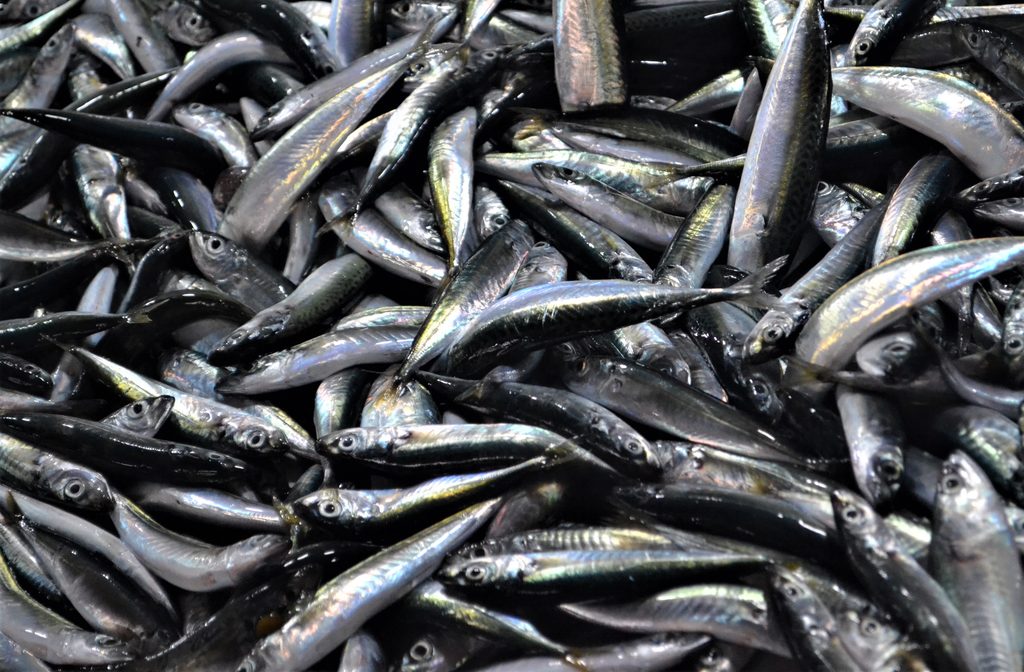
Healthy reefs support both artisanal and commercial fisheries. Groupers and lobsters spawn in reefs, while pelagic species like sardines and tuna indirectly depend on reef-based food chains.
Thus, restoring reefs is not optional; it is essential.
A Glimmer of Hope: The Camiguin Breakthrough
While the national picture is bleak, the island province of Camiguin offers a promising model for reef restoration.
Marine biologist Dr. Alexandra Hill led a pioneering project using micro-fragmentation and colony fusion, a technique that accelerates coral growth dramatically. Massive corals, which normally take decades to grow, can regenerate in as little as two years.
“In this technique, the massive corals…are fragmented or broken up using special equipment,” Dr. Hill explained, “and the corals exhibit a faster growth rate when fragmented.”
Fragments from the same colony can fuse together, increasing surface area and survival rates. The result: diverse, resilient reefs capable of withstanding environmental change.
The success in Camiguin proves that Filipino reefs can be restored to self-sustaining life—if given the chance.
Why Saving Reefs Matters Beyond Fish
Coral reefs are more than fisheries. They are cultural, ecological, and economic treasures.
Tourism, for instance, is a major beneficiary. The Asian Development Bank reported that tourism generated $16.3 billion in the mid-2000s, accounting for 9.1% of GDP. Healthy reefs attract divers, snorkelers, and nature enthusiasts.
They are also natural breakwaters, protecting coastlines from storms and erosion.
And they are breathtakingly beautiful. As Dr. David Hopley wrote, “No natural spectacle can quite match the beauty of a healthy coral reef…Anyone lucky enough to spend a few hours snorkeling around a tropical reef is unlikely to forget the wonderful experience.”
To lose reefs is to lose an irreplaceable part of the Philippine natural heritage.
The Path Forward
Saving coral reefs requires coordinated action, to wit: stronger enforcement against illegal and destructive fishing; expansion of marine protected areas; community-based reef monitoring; investment in restoration technologies like micro-fragmentation; public education on the importance of reefs; and sustainable fishing practices that allow fish populations to recover.
The Philippines is blessed with some of the richest marine ecosystems on Earth. But blessings require stewardship. The decline of fish and coral reefs is not inevitable—it is reversible.
The future of Filipino food security, coastal livelihoods, and marine biodiversity depends on the choices made today.

 Facebook
 Twitter