
Words and Photos by Henrylito D. Tacio
Filipinos know malunggay as one of the best leafy vegetables around.
Nutritionists aver that 100 grams of malunggay leaves yield the following: 75 calories of energy (higher than ampalaya, squash, tomatoes, or carrots), 5.9 grams protein (higher than cauliflower, lettuce, or mustard), 12.8 grams carbohydrate (higher than okra, papaya, or watermelon), 353 milligrams calcium (higher than gabi leaves, mung beans, squash, and camote tops), 3.7 milligrams niacin (higher than other vegetables analyzed). And for thiamin, phosphorus, and ascorbic acid, malunggay is at the top of the list.
The “miracle vegetable,” as some scientists called it, has been promoted by no less than the World Health Organization (WHO) as a low-cost health enhancer in poor countries around the globe. The “natural nutrition for the tropics” is how the Florida-based Education Concerns for Hunger Organization described malunggay.
“Malunggay is one of the most useful tropical trees,” said former Senator Loren Legarda. “Its young leaves are commonly cooked and eaten like spinach or used to make soups and salads; its dry seed can be ground to a powder and used for seasoning sauces; and its flowers can be eaten after being lightly blanched or raw as a tasty addition to salad.”
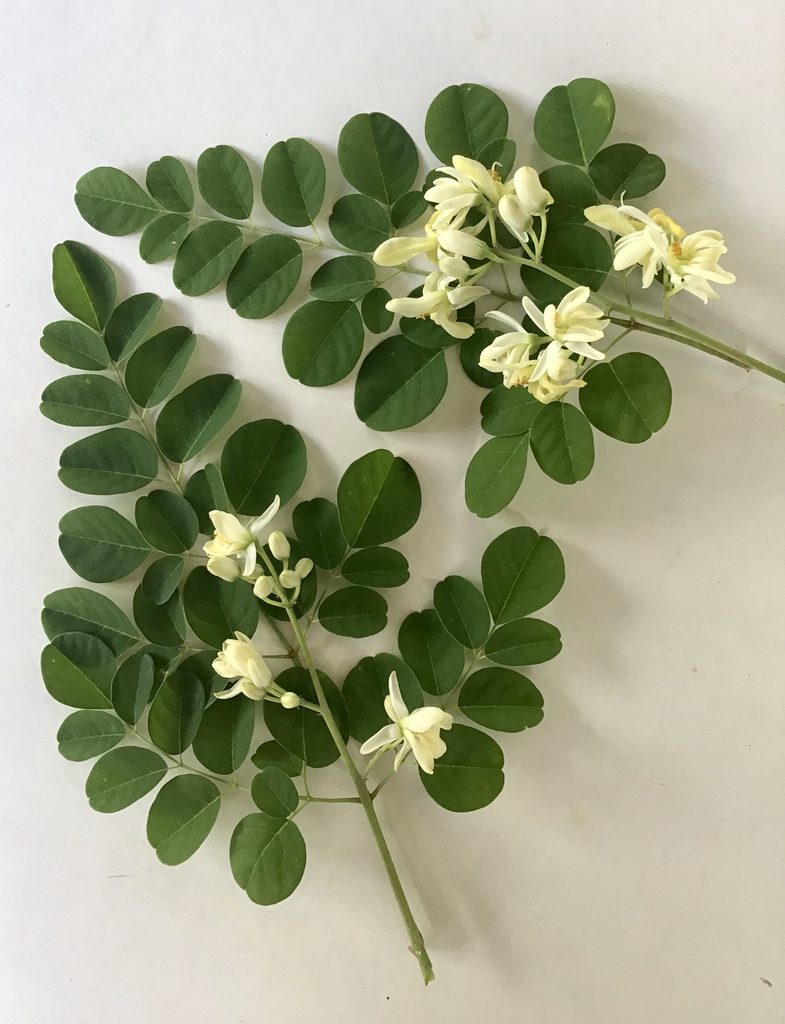
But most Filipinos don’t know that malunggay seeds can be used in treating water during emergency or disaster situations. In fact, ECHO is advocating for such utilization.
“Studies since the early 1970’s have found the seed to be highly effective in removing suspended particles from water with medium to high levels of turbidity (moringa seeds are less effective at treating water with a low level of turbidity),” said its publication, ECHO Development News.
Moringa oleifera is the scientific name of malunggay. There are two ways malunggay seeds can treat water. First, as a coagulant. “It contains positively charged, water-soluble proteins, which bind with negatively charged particles (silt, clay, bacteria, some toxins, etc.). The resulting clumps – or ‘flocs’ – settle to the bottom (flocculate) or are removed by filtration,” ECHO explains.
Second, as an antimicrobial agent, which is still being researched. “Certain proteins in the seed seem to act as growth inhibitors on microorganisms,” ECHO says. “Treatments with moringa solutions have been found to remove 90-99.9% of the impurities in water.”
In general, one malunggay seed kernel can treat one liter of water. Powdered seed kernels may be used for water treatment, but so can the solid residue (presscake) left over after oil extraction.
Here’s how to use malunggay seeds in treating water. First, collect mature malunggay seed pods and remove seeds from pods. Shell seeds (remove seed coat) to obtain clean seed kernels; discard discolored seeds. Determine quantity of kernels needed based on amount and turbidity of water.
Crush appropriate number of seed kernels to obtain a fine powder and sift the powder through a screen or small mesh. Mix seed powder with a small amount of clean water to form a paste.
Mix the paste and once cup of clean water into a bottle and shake for one minute to activate the coagulant properties and form a solution. Filter this solution through a muslin cloth or fine mesh screen (to remove insoluble materials) and into the water to be treated.
Stir treated water rapidly for at least one minute then slowly (15-20 rotations per minute) for 5-10 minutes. Let the treated water sit without disturbing for at least 1-2 hours. When the particles and contaminants have settled to the bottom, the clean water can be carefully poured off.
This clean water can be filtered or disinfected to make it completely safe for drinking. But if you think it is still not clean, boil the water for a minimum of 5 minutes. Let it cool for a few more minutes before drinking the water.
A few important reminders must be taken into account. “First, the process of shaking and stirring must be followed closely to activate the coagulant properties; if the flocculation process takes too long, there is a risk of secondary bacteria growth during flocculation,” the ECHO says.
“Second, the process of settling is important. The sediment at the bottom contains the impurities, so take care to use only the water off the top and do not allow the sediment to re-contaminate the cleared water.
“Third, moringa treatment does not remove 100% of water pathogens. It is acceptable for drinking only where people are currently drinking untreated, contaminated water.”
Water is very important. Studies have shown that a person can live for weeks without food, but only days without water. Unfortunately, one in six people on this planet lack access to an improved water supply. And poor people living in the slums often pay 5-10 times more for per liter of water than wealthy people living in the same city.
“Everyone agrees water is basic for life,” notes veteran journalist Juan L. Mercado. “When cisterns go dry, disease and death rates surge. That ushers in economic decay – and political instability. Water riots can be ugly. And no one has yet invented a substitute for water.”
Dr. Mark Rosegrant, lead author of the global water report and senior research fellow at the Washington-based International Food Policy Research Institution, agrees. “Water is not like oil: there is no substitute. If we continue to take it for granted, much of the earth is going to run short of water or food – or both.”
Less than one percent of the world’s fresh water (or about 0.007% of all water on earth) is readily accessible for direct human use. “Between 20-40 liters per head per day is the minimum needed for drinking, bathing, cooking and sanitation,” the Pacific Institute for Development Studies estimates.
Water is life, so they say, and without access to clean water means death. At any given time, it is said, half of the world’s hospital beds are occupied by patients suffering from a water-related disease. Every 15 seconds, a child dies from a water-related disease.
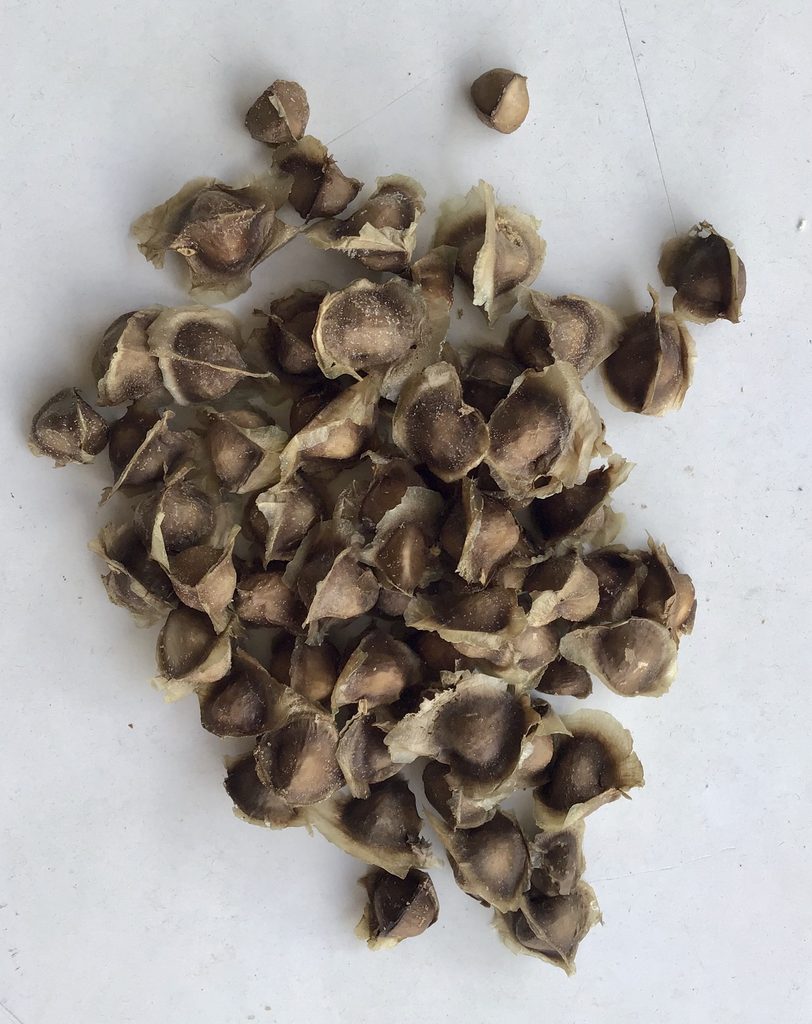
“Unclean water and resulting poor sanitation (pose) a threat that starts at birth,” said a report. “The number of deaths associated with these twin threats is not widely appreciated. Globally, diarrhea kills more people than tuberculosis or malaria.”
Diarrhea, a water-related disease commonly known as loose bowel movement (LBM), is considered a major health problem in the Philippines. LBM is the second leading cause of death among Filipino children under five and ranks among the top 10 killers of children five to nine years old.
“Deprivation of access to water is a silent crisis”, says the United Nations “Human Development Report” in 2006. Today’s “crisis in water and sanitation is – above all – a crisis of the poor,” says the UN Development Program study: Beyond Scarcity: Power, Poverty and the Water Crisis.
“No intervention has greater overall impact upon national development and public health than the provision of safe drinking water and proper disposal of human waste,” a report stated.
In the far-flung rural areas, one of the biggest problems is the source of clean drinking water. Clean water is even more important during disasters like floods, landslides, fires, and earthquakes. In some instances, there is water available but the question is: is it safe for drinking?
If they are not sure, they can always treat the water with malunggay seeds.
Meanwhile, the oil extracted from matured malunggay seeds is a high value oil that can be used as cooking oil, industrial oil, and ingredient for cosmetics, bath soaps and shampoos, perfume, shortening and lubricants, among others.

 Facebook
 Twitter