
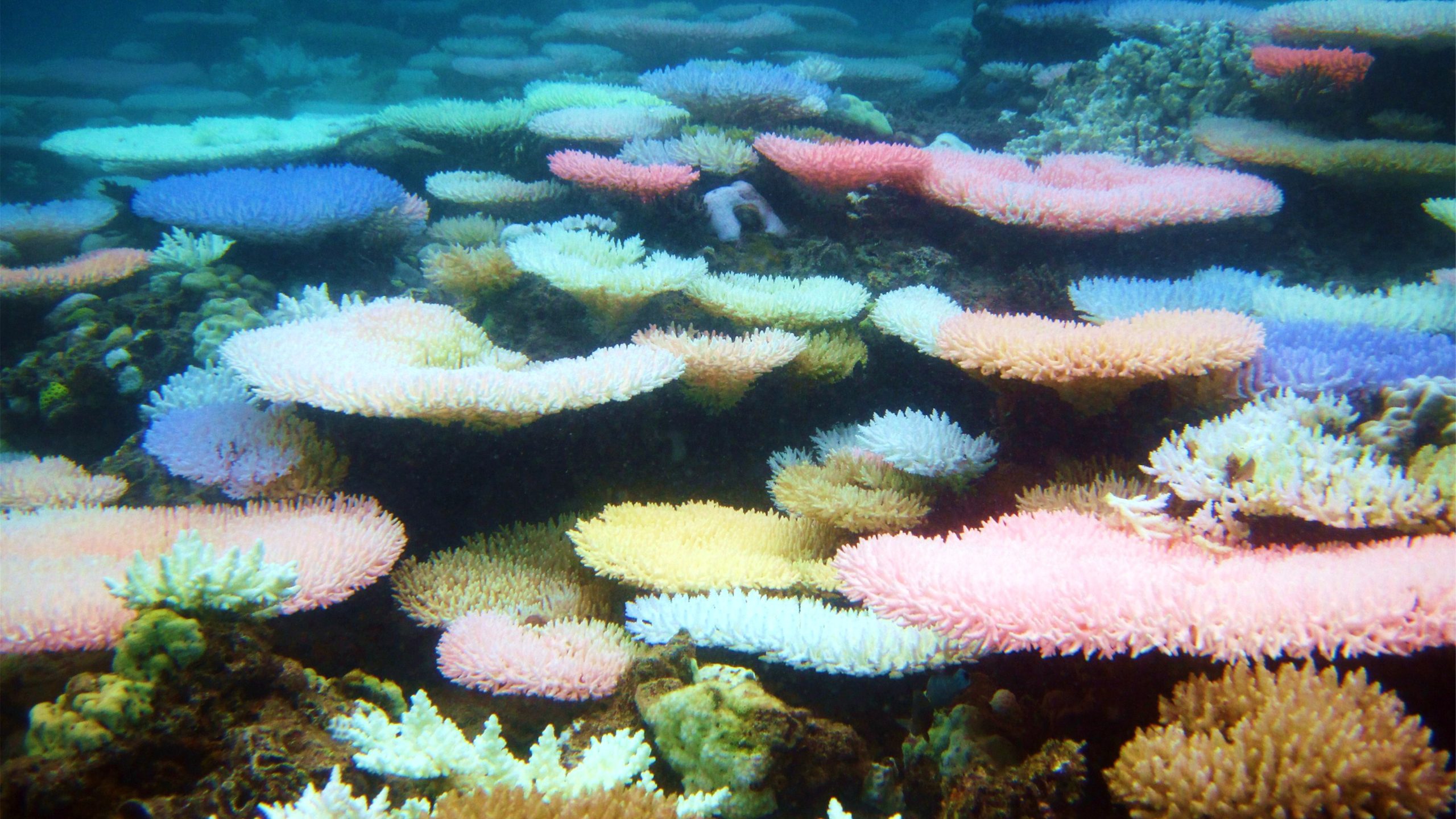
Coral reefs, among the most diverse and beautiful ecosystems on Earth, are facing unprecedented decline due to climate change, pollution, and human pressure.
“For color, sheer beauty of form and design, and tremendous variety of life, perhaps no natural area in the world can equal coral reefs. Their beauty has fascinated generations of people, both scientific and lay, down through the years.” – J.W. Nybakken
***
Archipelago, as defined by the Oxford English Dictionary, is “a sea or stretch of water having many islands.” The word could have been invented for the Philippines: 7,107 islands strewn across 2,200,000 square kilometers of ocean.
It’s no wonder that images of dreamy beaches and crystal waters dominate the perception of foreigners of the country that is touted as “Pearl of the Orient Seas.” Beneath the waves of its coastal waters is an Eden-like vista.
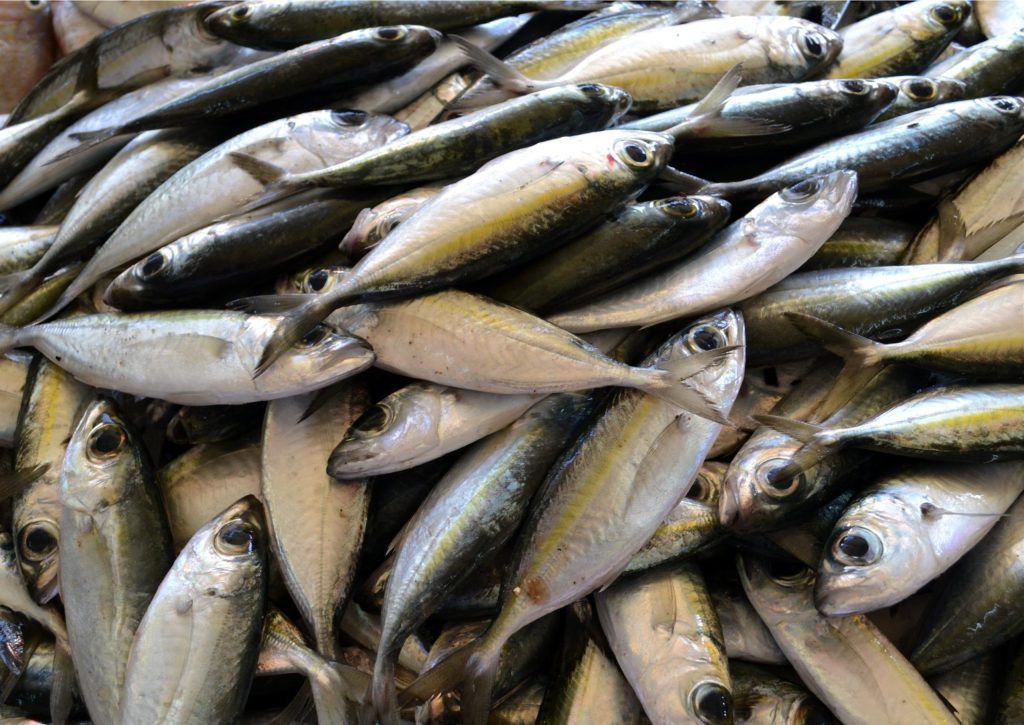
Called coral reefs, they provide a fascinating sanctuary for a multitude of marine species. Unfortunately, the United Nations Environment Program (UNEP) ranks the Philippines as the number one in the list of 10 coral reef hotspots in the world.
As early as the 1970s, the East-West Center in Hawaii reported that more than half of the country’s reefs were “in advanced states of destruction.” It added that only about 25% were considered to be “in good condition” while only 5% were “in excellent condition.”
Though several laws were passed, the deterioration continues unabated. For instance, a survey conducted in 1991-1992 by the Regional Fishermen’s Training Center in Panabo City at Sarangani Bay and Davao Gulf had shown that most of the shallow or inshore coral reefs “were totally damaged because they are exposed to greater pressure.”
Another study, done in the early 2000s by researchers from the Mindanao State University’s School of Marine Fisheries and Technology, showed dead corals accounted for 50% of the town’s coastline in Naawan, Misamis Oriental.
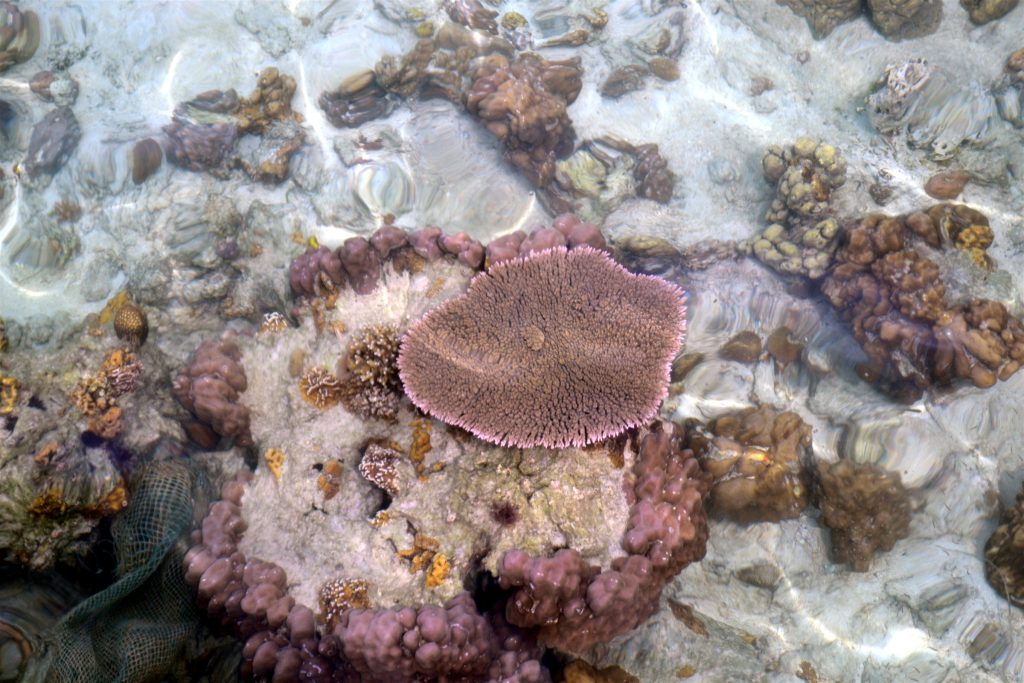
This is bad news for Filipinos whose main source of protein is fish. Touted to be “the rainforests of the ocean,” coral reefs are one of the greatest natural treasures. “A single reef may contain 3,000 species of corals, fish, and shellfish,” says Dr. Miguel D. Fortes, a marine biologist and the first Filipino to receive the International Biwako Prize for Ecology.
An estimated 10% to 15% of the total fisheries in the Philippines come from coral reefs. About 80% to 90% of the income of small island communities come from fisheries. “Coral reef fish yields range from 20-25 metric tons per square kilometer per year for healthy reefs,” says Dr. Angel C. Alcala, former environment secretary.
“Wild fish are the world’s most cost-efficient protein source,” points out Atty. Gloria Estenzo Ramos, head of Oceana Philippines. “They are renewable, low-carbon, and much cheaper to produce than chicken, pork, or beef.”
But as coral reefs continue to deteriorate, fish and other marine life cannot be as productive as they were before. “This will have a domino effect,” the International Marinelife Alliance-Philippines warned. “Fishermen will have fewer catch and lower income and there will be less fish and marine products for everyone.”
In fact, fisheries production was down by 8.7% from five million metric tons in 2010 to 4.7 metric tons in 2015, according to the Bureau of Fisheries and Aquatic Resources, a line agency of the Department of Agriculture.
“We are running out of fish and running out of time. For a country known for its marine biodiversity, there are very few fish left to catch,” deplored Vince Cinches, oceans and political campaigner for Greenpeace Southeast Asia.
This is true in the case of Davao Gulf, Southern Mindanao’s fishing ground. A recent study showed that 45-50% of the total fish caught daily by most of the fishermen in the gulf are juvenile – too young, not marketable and, therefore, wasted.
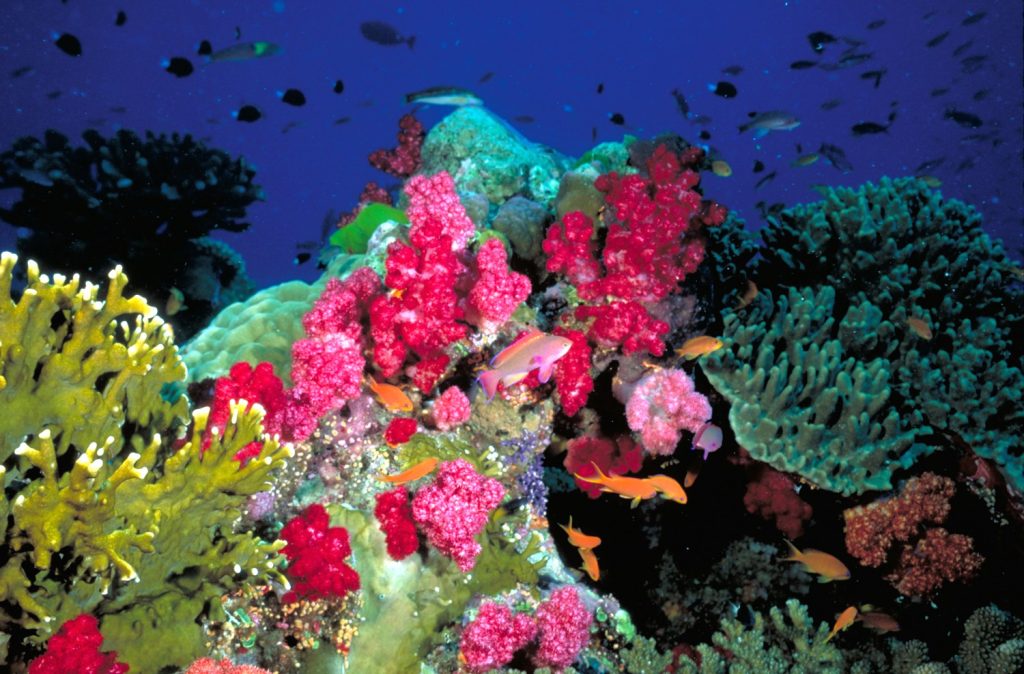
Dr. Anthony Sales, regional director of the Department of Science and Technology (DOST), attributed the dwindling fish catch in Davao Gulf to the destruction of coral reefs and other fish habitats.
There are three major types of coral reefs, according to Dr. Alcala. These are fringing type (those found on the edges of islands and which constitutes 30% of the country’s coral reefs); the barrier type (best exemplified by the Dajanon Reef of Central Visayas); and the atoll (of which the Tubbataha and Cagayan Reef in the Sulu Sea are ideal examples).
The Philippines is home to over 400 local species of corals, which is more than what is found in the famous Great Barrier Reef of Australia. Unfortunately, most of these species are now gone and others are facing extinction. “Nowhere else in the world are coral reefs abused as much as the reefs in the Philippines,” deplores Don E. McAllister of the Ocean Voice International.
The decline is thought to be due primarily to destructive human activities. “Many areas are in really bad shape due largely to unwise coastal land use, deforestation and the increasing number of fishermen resorting to destructive fishing methods,” says marine biologist Porfirio M. Alino of the University of the Philippines Marine Science Institute (MSI).
Destructive fishing methods – ranging from dynamite blasts to cyanide poisons – are destroying vast areas of reef. Fishermen blast reefs with dynamite to stun the fish. When fish float to the surface, fishermen scoop up large quantities at once.
According to Cinches, an estimated 10,000 blasts due to dynamite happen every day in the Philippines seas, costing the country around P240,000,000 a day.
Heavily dynamited reefs produce only 2.7 to 5 metric tons per square kilometer per year compared to 30 metric tons for healthy reefs. But the damage goes beyond the shattering impact of the explosion itself. After a blast, algal growth quickly smothers the coral because the shoals of grazing fish that would normally keep it under control have been decimated.
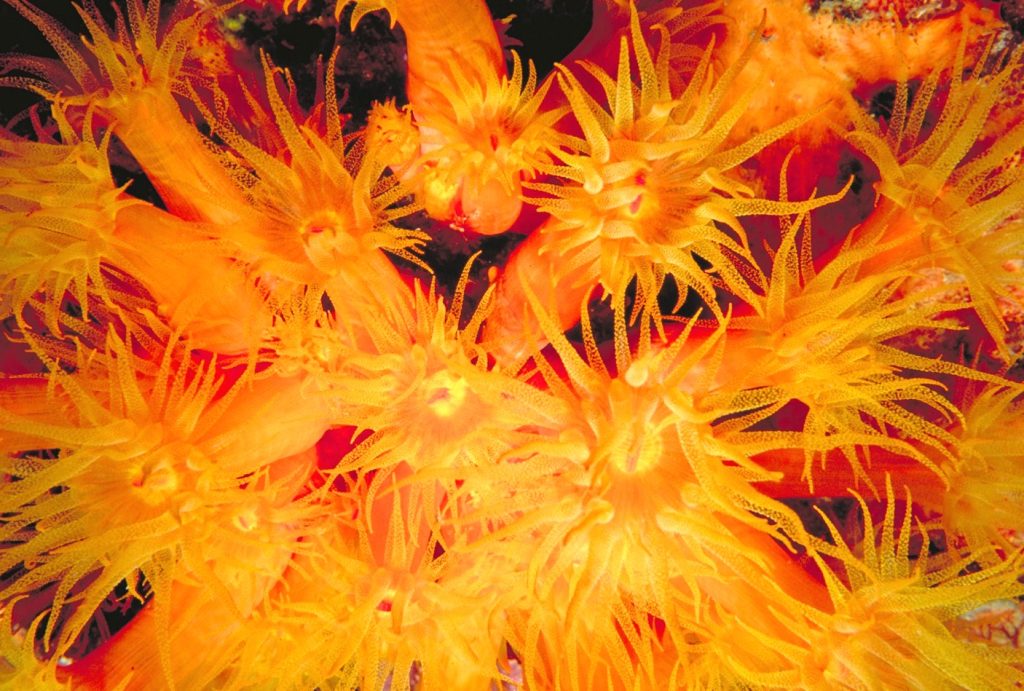
In many parts of the world, natural poisons have long been used in fishing without apparent damage. But such is not the case of sodium cyanide. In the Philippines, 80% of the exotic fish destined for pet shops and aquariums throughout Europe and North America are captured using cyanide. There is also a growing demand for live fish at upscale restaurants.
Cinches reports that an estimated 150,000 kilograms of sodium cyanide are sprayed on Philippine coral reefs each year. “These practices are criminal,” decried Jacques-Yves Cousteau, who once visited Palawan to examine reefs destroyed by cyanide fishing. “They attack the natural productive environment which allows the renewal of marine resources. Destroying coral today is destroying tomorrow’s fishes.”
Another equally destructive fishing method is the “muro-ami,” a drive-in net used for fishing in coral reefs. While he admitted that “muro-ami” is an effective fishing gear, Dr. Rafael D. Guerrero III cited some disadvantages.
“The problems related to “muro-ami” fishing are its employment of minors (young boys) for fishing, their exposure to health hazards (like the “bends” or narcosis) and the destruction of coral reefs because of the weighted scarelines,” explained Dr. Guerrero, former executive director of Philippine Council for Marine and Aquatic Resources Research and Development.
At one time, there was a report about one company who ran 40 “muro-ami” ships, each carrying up to 300 boys which together may “have destroyed one square kilometer of reef a day.”
Coral mining has also depleted the country’s reefs. In fact, an estimated 1.5 million kilograms of corals are harvested annually as part of the international trade in reef products.
Also contributing to the destruction of coral reefs in the Philippines are sedimentation from soil erosion as a result of deforestation in the uplands. “Sedimentation of waters in reef areas is the number one cause of damage,” said Dr. Edgardo G. Gomez, former MSI director. “This happens when rain water washes off sediment or silt from eroded land and carries it to the sea.”
Other causes of the deterioration of coral reefs in the country: the quarrying of coral reefs for construction purposes; pollution from industry, mining, and municipalities; and coastal population growth.
“If asked what the major problem of coral reefs is, my reply would be: ‘The pressure of human populations,’” Dr. Gomez said. A visit to any fishing villages near a reef will quickly confirm this. “There are just too many fishermen,” he pointed out. “They overfish the reefs, and even if they use non-destructive fishing gear, they still stress the coral reef ecosystem.”
Aside from human activities, natural causes of destruction among coral reefs also occur. These include extremely low tide, high temperature of surface water, predation, and the mechanical action of currents and waves.
Extremely low tides usually expose corals to sunlight and to freshwater runoff, both of which are said to be lethal over several hours of exposure.
High temperature of surface water is exacerbated by abnormal low tides which leave shallow reefs exposed to sunlight, rainfall and freshwater flowing.
Then, there’s coral bleaching. This occurs when corals turn chalky white and begins to die. Coral bleaching happens when corals are under stress because of extreme sea temperatures or pollution. Corals evict their algal tenants and turn white as a result, explains Worldwatch Institute’s John C. Ryan.
The government is doing its best to save the country’s remaining coral reefs by passing several laws. PD 1198, for instance, amends PD 1219 and limits permits to gather in limited quantities of corals for scientific or educational purposes only. FAO 163, SERIES OF 1986, prohibits the operation of “muro ami” and “kayaks” in all Philippine waters.
But all those laws, it seems, are not enough. “Despite considerable improvements in coral management, the country’s coral reefs remain under threat,” admitted Dr. Theresa Mundita S. Lim, director of the Biodiversity Management Bureau of the environment department.
There’s more to reefs than just fish. “The extensive destruction of Philippine coral reefs has constricted the development of tourism in the country’s coastal areas,” contends McAllister. “If the coral reefs recover, there will enormous growth in coastal tourism. Today, with most of the coral reefs in a poor state, it is not an exaggeration to say that the country has lost one-third of its potential as a tourist spot in Asia.”
A number of areas in the Visayas – such as Panglao Island in Bohol and Nagarao Island in Guimaras – have depended on thriving coral reefs as a means to attract visitors, especially diving enthusiasts.
Another reason why coral reefs should be saved from extinction: they would be the sources of many new medicines in the 21st century. “Marine sources could be the major source of drugs for the next decade,” says Dr. William Fenical, a natural products chemist at the Scripps Institution of Oceanography in La Jolla, California.
Some years back, the US National Cancer Institute (NCI) reportedly spent one-third of its research budget to screen about 1,000 species of oceanic invertebrates and plants each year, including sea slugs, sea squirts, sponges, and several other denizens of coral gardens.
For centuries, coastal communities have used reef plants and animals for their medicinal properties. In the Philippines, for instance, giant clams are eaten as a malaria treatment. Chemicals from sea sponges collected off the coast of Florida have been used in developing a new drug, Ara-C, used to treat acute myelocytic leukemia and non-Hodgkin’s lymphoma. The antiviral drug called Ara-A is used for the treatment of herpes infections.
Loren Legarda, an environment champion in the Senate, urged the local and national government to unite in addressing the problem of reef deterioration. “It is imperative that local government units should take an active role in promoting environmentally sound practices especially those near the sea,” she said. “The Philippine Coast Guard and other law enforcement arm of the government should redouble their efforts to stop marine activities that harm the ecosystem.”
These should be done, before it’s too late. “To lose coral reefs is to fundamentally undermine the health of a very large proportion of the human race,” reminded Dr. Ruth Gates, director of the Hawaii Institute of Marine Biology.

 Facebook
 Twitter