
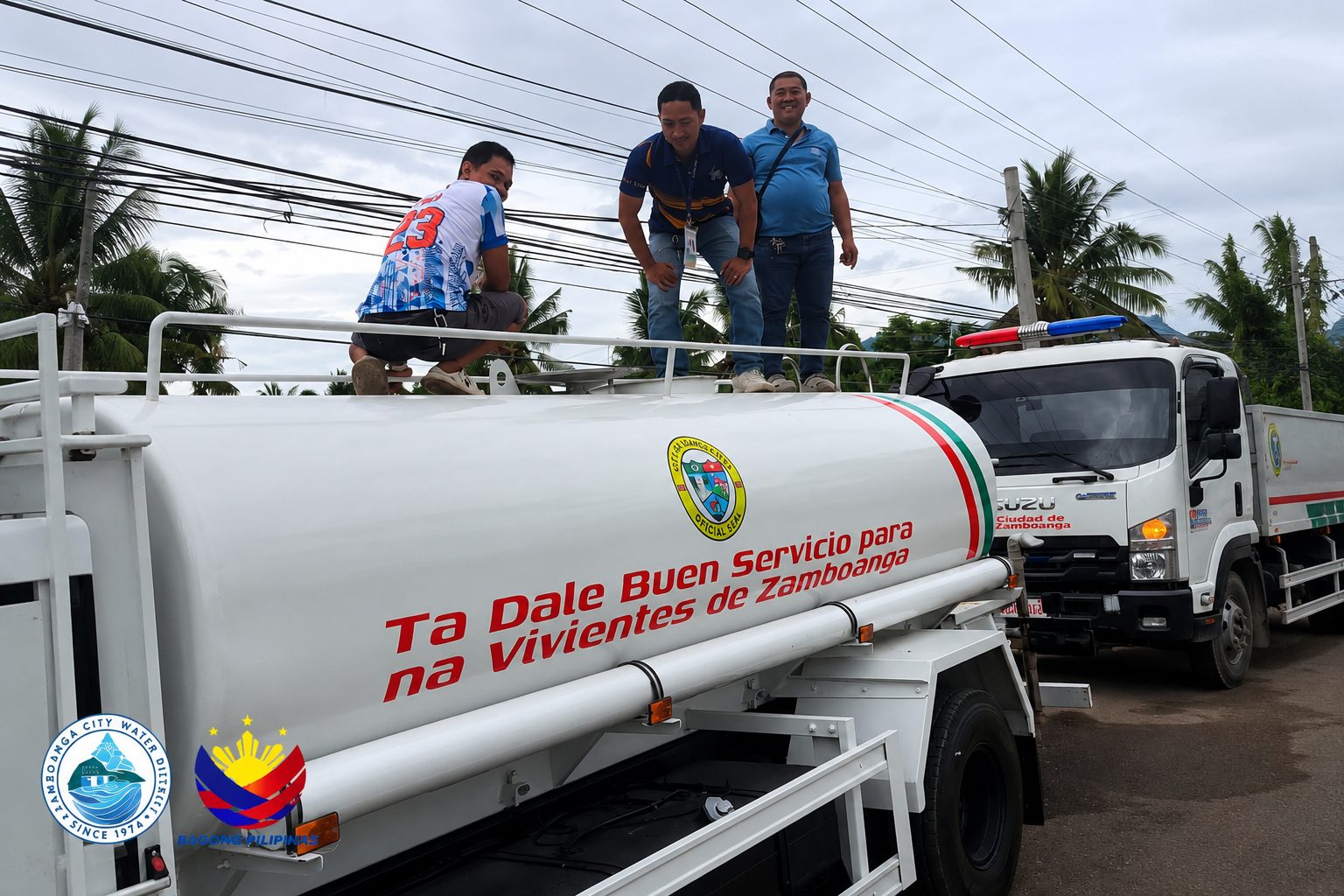
LWUA El Niño Preparedness is helping local water districts strengthen drought resilience as climate change makes extreme weather events more frequent and severe. Through early planning, technical assistance, and close coordination, the Local Water Utilities Administration (LWUA) is preparing water utilities to maintain safe and reliable water supply before El Niño affects communities across the Philippines.
As climate change makes extreme weather events more frequent and more severe, preparing for drought is just as important as responding to it.
For the Local Water Utilities Administration (LWUA), this means working with local water districts long before the previously announced El Niño phenomenon affects water supply.
Through planning, technical assistance, and close coordination, the agency helps local water districts build resilience to keep communities supplied with safe and reliable water despite increasingly unpredictable weather conditions.
This proactive approach supports the broader water security agenda of President Ferdinand R. Marcos Jr., who has consistently emphasized the need for stronger, more resilient water systems capable of meeting the country’s growing demand for safe and reliable water.
“Preparedness is one of the best investments we in LWUA can make in water security. By helping water districts anticipate risks, strengthen their systems, and plan ahead, we protect not only water supply but also the communities that depend on it every day,” said LWUA Administrator Atty. Jose Moises “Joy” F. Salonga.
When early forecasts pointed to the onset of El Niño, LWUA did not wait for water shortages to occur.
Instead, the agency activated Task Force El Niño and immediately met with and directed local water districts nationwide to implement preparedness measures.
This included an official memorandum detailing four pillars designed to strengthen the water districts’ long-term resilience:
- Climate-Resilient Water Supply Systems
- Operational Preparedness and Demand Management
- Institutional Preparedness Through a Standardized Manual of Operations (lined up for cascading)
- Strengthened Monitoring, Technical Assistance, and Financial Support
“Rather than relying solely on emergency interventions during drought events, LWUA is institutionalizing measures that improve water system resilience before water shortages occur,” the Memorandum read.
Early on, utilities were instructed to assess the reliability of their water sources, identify areas at risk of supply disruption, formulate mitigation plans, and update contingency measures to ensure continuous service during prolonged dry conditions.
Through regular coordination and monitoring, LWUA is helping water districts prepare for the challenges before they could escalate into full-blown crises.
This proactive approach recognizes a simple reality often missed by the public: no two local water districts face the same challenges.
Some rely on surface water sources that become vulnerable during extended dry spells. Others contend with rapidly growing populations that place increasing pressure on existing supplies.
Rather than adopting a one-size-fits-all strategy, LWUA worked closely with individual water districts, providing technical guidance and operational support tailored to local conditions and risk profiles.
Preparedness also means reducing non-revenue water, ensuring that water districts’ limited water resources are used as efficiently as possible, and pushing for responsible water use.
During periods of drought, conserving existing water resources can be just as important as developing new ones.
LWUA therefore continues to help water districts strengthen operational efficiency, improve system monitoring, and reduce avoidable water losses through technical assistance and performance management.
These efforts enable utilities to maximize available supply and sustain service even when water resources become constrained.
Equally important is LWUA’s role in fostering coordination across the highly diverse water sector.
Preparing for El Niño requires close collaboration among local water districts, local government units, national agencies, and other stakeholders.
LWUA serves as a central coordinating institution, facilitating the timely and essential exchange of information, technical expertise, and operational guidance so that local utilities can make informed decisions before drought conditions worsen.
This collaborative approach strengthens the water sector’s overall readiness and helps ensure that responses are both timely and well coordinated.
At the end of the day, the value of this approach extends well beyond a single dry season.
By encouraging water districts to integrate risk assessments, contingency planning, and climate resilience into their regular operations, LWUA helps build stronger and more adaptive local utilities.
These capabilities not only reduce vulnerability to El Niño but also improve preparedness for other climate-related events that may affect water supply in the years ahead.
Ultimately, preparing for El Niño is both about responding to weather forecasts as well as building a culture of resilience across the entire water sector.
As climate change continues to intensify droughts and increase uncertainty, proactive planning becomes just as important as infrastructure investments.
By helping water districts anticipate risks, strengthen their operational readiness, and coordinate effective responses, LWUA is advancing the current administration’s vision of long-term water security for every Filipino.
Because when the next El Niño arrives, the fullest measure of success will not be how quickly institutions react—but how well they prepared before the drought hit.

 Facebook
 Twitter