
Words and Photos by Henrylito D. Tacio
“We are running out of fish and running out of time. For a country known for marine biodiversity, there are very few fish left to catch,” deplored Vince Cinches, a prominent global campaign strategist and environmental activist.
His warning is not hyperbole. It is a stark reflection of what is happening in Philippine waters today—an unfolding crisis that threatens food security, livelihoods, and the ecological balance of one of the world’s richest marine environments.
Jethro P. Adang, director of the Mindanao Baptist Rural Life Center (MBRLC), echoes the alarm. “Like the other vital resources such as forests, Philippine fisheries are about to collapse,” he pointed out.
For decades, the country has relied heavily on fish as its primary source of protein. More than half of Filipinos’ protein intake comes from fish, making it a cornerstone of the national diet. Yet consumption has dropped from 37 kilos per person annually to just 30 kilos. “Unless we look for other sources of protein, the food intake of Filipinos will be greatly affected,” Adang warned.
The decline is not due to changing preferences. It is because there are simply fewer fish left to catch.
A Sea Under Siege
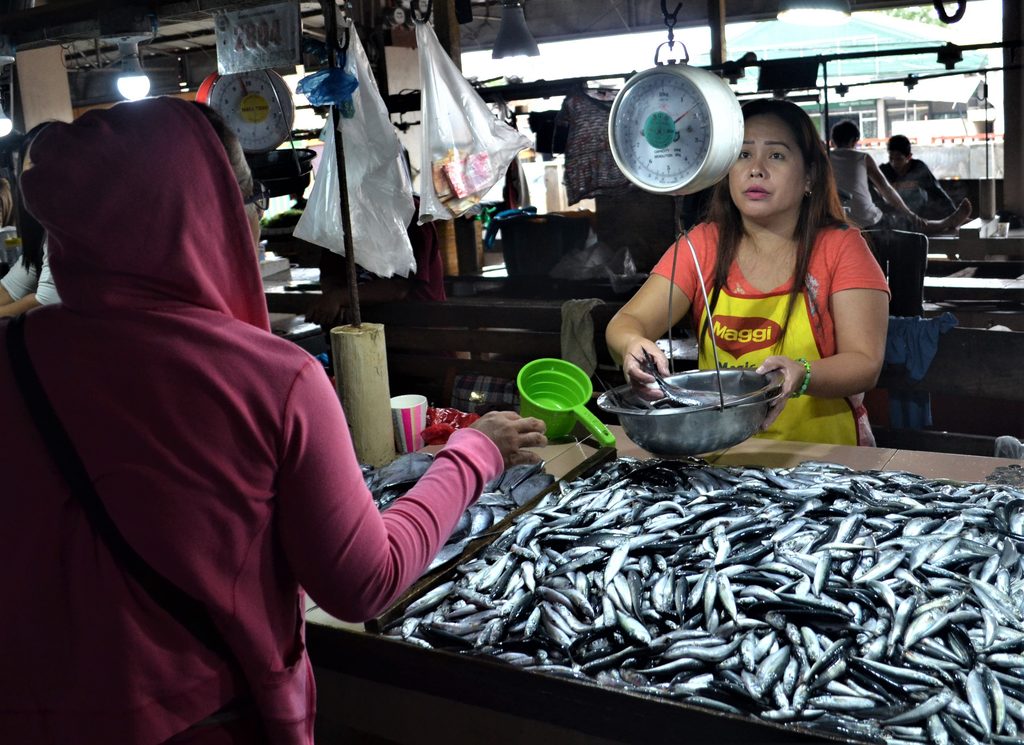
Majority of the country’s fishing grounds are overfished. Of the 13 major fishing grounds, 10 are under intense pressure. The Davao Gulf—once a thriving marine sanctuary and the 10th major fishing ground in the Philippines—illustrates the severity of the problem. Since 2000, both the volume and quality of fish caught in the gulf have been in constant decline.
A study by the World Fish Center revealed that except for maya‑maya, harvest numbers for nine other species have been falling. At the current rate of decline, caraballas, bilong‑bilong, molmol, and danggit may disappear completely from the gulf within a decade. Even more resilient species such as matambaka, tamban, and moro‑moro may vanish within a generation.
To slow the collapse, a closed season is implemented every June to August. “A lot of our fisherfolks like the close season at the Davao Gulf to allow more species of fishes to thrive,” said the regional office of the Bureau of Fisheries and Aquatic Resources (BFAR).
But while seasonal closures help, they are not enough to reverse decades of overfishing, habitat destruction, and climate‑driven changes in marine ecosystems.
A Lifeline Amid Declining Wild Catch
Fishery experts point to aquaculture as a critical solution. Fish farming is not new; it dates back to ancient Rome, medieval Europe, and early Chinese civilizations. In Southeast Asia, its origins are unclear, though many believe Malay settlers introduced fishponds to the Philippines long before Chinese traders arrived.
Today, aquaculture is a pillar of Philippine fisheries. According to the UN Food and Agriculture Organization, it contributes significantly to food security, employment, and foreign exchange earnings. For decades, aquaculture was synonymous with milkfish (bangus) culture in brackishwater ponds. But the industry has diversified to include tilapia, shrimp, carp, seaweed, oyster, and mussel.
“Bangus has always been the most important species cultured in the Philippines in terms of area and production,” said Dr. Rafael D. Guerrero III, former director of the Philippine Council for Aquatic and Marine Research and Development. About 98% of bangus production comes from aquaculture.
Tilapia, meanwhile, is one of the world’s most widely cultured fish. Yet the Philippine tilapia industry has stagnated at 250,000 to 270,000 metric tons annually. “Production is not growing because of numerous factors such as fish kill, the need to limit the number of fish cage units, availability of only quality fry, low survival rates, and unpredictable weather due to climate change,” explained a business insider.
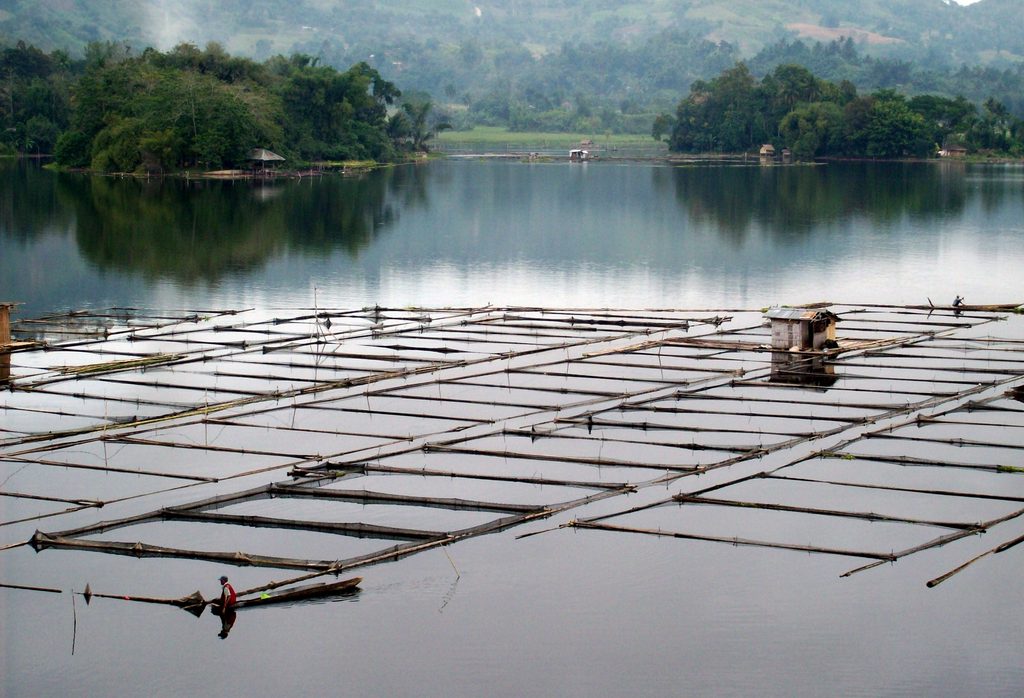
Seaweed farming is another bright spot. The Philippines is one of the world’s top producers of Eucheuma and other seaweed species used for carrageenan. Introduced in the 1970s through the work of Dr. Max Doty and Filipino scientists, seaweed farming flourished in Mindoro, Aklan, Cuyo, Zamboanga, and Tawi‑Tawi. Today, Western Mindanao, Central and Eastern Visayas, and Southern Tagalog account for more than 60% of national production.
Seaweed farming is often hailed as a climate‑resilient livelihood. But like other aquaculture sectors, it is not immune to environmental stressors.
The Persistent Threat of Fish Kill
One of the biggest challenges facing aquaculture is fish kill—mass die‑offs caused by sudden drops in dissolved oxygen, toxic algal blooms, or abrupt weather changes. Lake Sebu, the tilapia center of South Cotabato, has suffered repeated fish kills.
Higher survival rates and lower feed conversion ratios (FCR) are essential. Survival rates have plummeted from 80–90% in the 1990s to as low as 30–50% today. Poor fry quality is a major culprit. “It is important for farmers to be careful with their fry and fingerling sources,” insiders stressed.
Water quality is equally crucial. Proper water and feed management can maintain optimal dissolved oxygen levels and prevent ammonia buildup. “The use of extruded feeds with a high degree of stability and digestibility is necessary,” they added. Farmers must shift from being “feed‑price conscious” to “feed‑cost conscious.”
A Future That Depends on Action
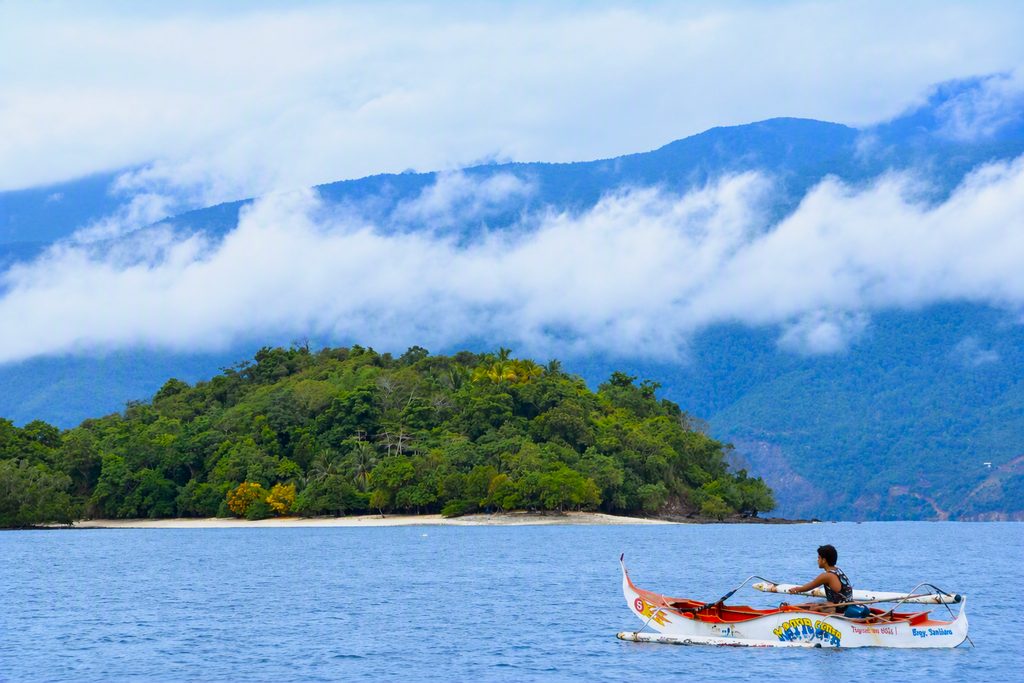
The Philippines stands at a crossroads. Wild fish stocks are collapsing, and aquaculture—though promising—is beset with challenges. Without decisive action, the country risks losing not only its fish but also the livelihoods of millions of fisherfolk and the nutritional foundation of its people.
The warnings from experts are clear. The solutions exist. What remains is the political will, community participation, and sustained investment needed to rebuild the nation’s fisheries.
Because if the seas continue to empty, the Philippines will face a future where fish—once abundant, affordable, and central to Filipino life—becomes a luxury.

 Facebook
 Twitter