
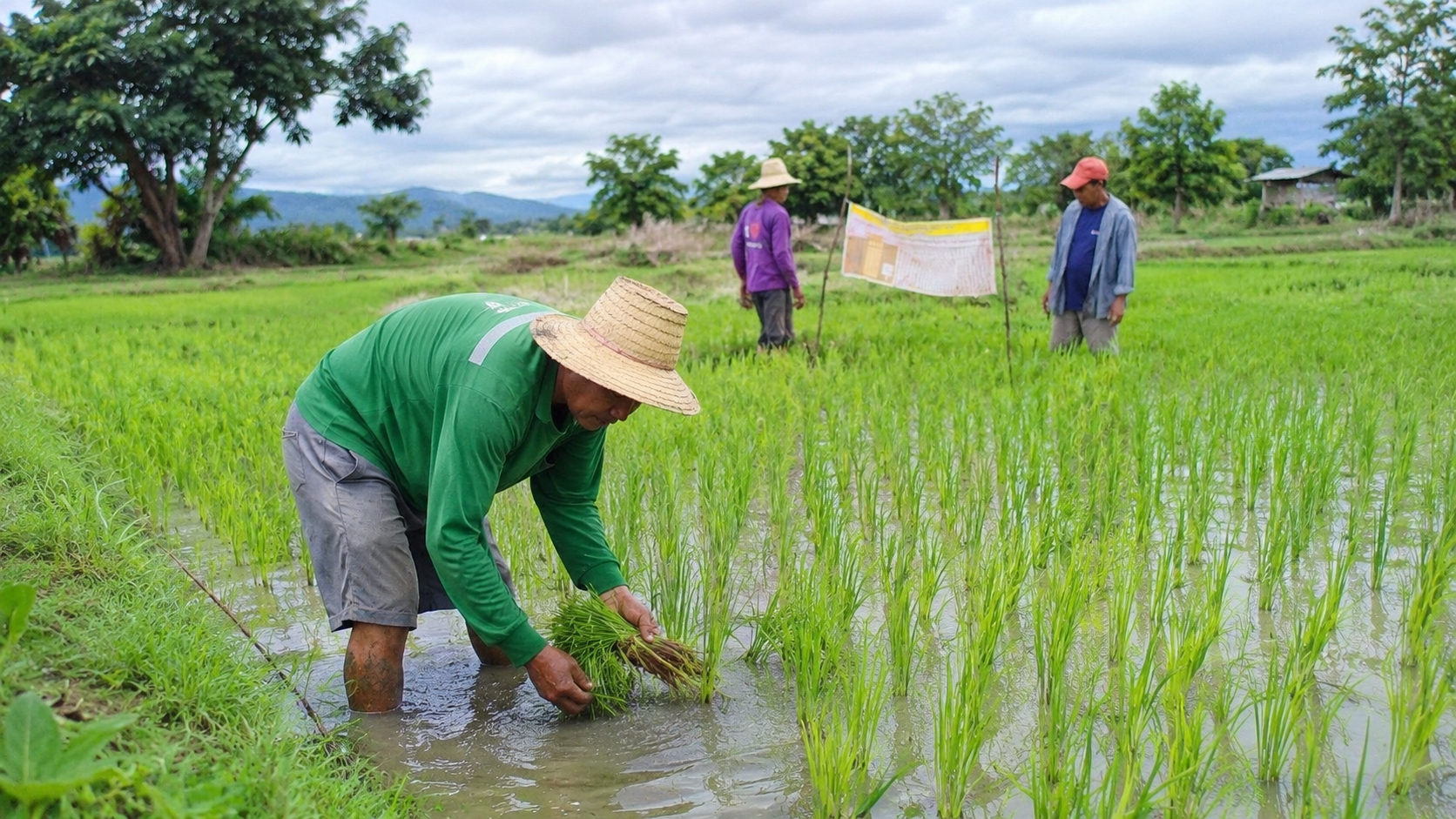
Climate-resilient agriculture is gaining attention in the Philippines as the Department of Agriculture (DA) pushes for farming practices that can protect food production from extreme weather and environmental challenges. The initiative forms part of a broader ASEAN effort to strengthen food security, preserve agricultural resources, and help farmers adapt to changing climate conditions.
The initiative follows an ASEAN declaration on advancing regenerative and resilient agriculture, which seeks to protect natural resources, improve agricultural productivity, and help farming communities adapt to climate change.
DA Undersecretary Asis Perez said the department would also focus on regenerative agriculture, particularly efforts to protect the natural resource base, including agricultural land.
The push reflects growing concerns over the vulnerability of food production to extreme weather events, declining soil quality, and disruptions in agricultural supply chains.
ASEAN Strengthens Commitment to Sustainable Agriculture
ASEAN agriculture ministers have committed to advancing regenerative and climate-resilient agricultural systems as part of a broader effort to secure the region’s food supply.
The regional initiative covers several areas of agriculture, including rice production, livestock, fisheries, aquaculture, and agricultural supply chains.
It also highlights the importance of research, technology transfer, investment, and financing to help farmers adopt more sustainable production methods.
The declaration recognizes that maintaining food security requires more than increasing agricultural output. Protecting the land, water, and other resources needed for long-term production is also essential.
For the Philippines, where millions of people depend on agriculture for their livelihood, these priorities have direct implications for farmers and consumers.
What Regenerative Agriculture Means for Filipino Farmers
Regenerative agriculture focuses on improving the condition of agricultural land while maintaining productive farming systems.
It includes practices such as improving soil health, diversifying crops, reducing soil erosion, managing water resources, and recycling agricultural waste.
In rice farming, for example, improved water management and more efficient farming techniques can help farmers manage production resources while addressing environmental concerns.
Other approaches, including crop rotation, composting, and agroforestry, can also contribute to healthier agricultural ecosystems.
These practices may help farms become more resilient to environmental pressures. However, their effectiveness depends on local conditions, appropriate technology, access to training, and the ability of farmers to adopt them.
Climate Change Remains a Challenge for Philippine Agriculture
The Philippines is highly exposed to weather-related disruptions that can affect agricultural production.
Typhoons, flooding, drought, and extreme temperatures can damage crops, disrupt planting schedules, and affect farmers’ incomes.
Rice production is particularly important because rice remains a major staple food for Filipino households.
Climate-related disruptions can affect harvest volumes and agricultural supply, potentially adding pressure to food prices and the country’s food security situation.
The DA’s emphasis on resilient agriculture therefore highlights the need to prepare farming communities for changing weather conditions while protecting the resources needed to sustain production.
Implementation and Support for Farmers Will Be Critical
While the ASEAN declaration establishes a regional direction for sustainable agriculture, its impact will depend on how individual countries translate their commitments into actual programs.
For Filipino farmers, access to financial assistance, agricultural technology, training, and technical support will be important in adopting regenerative farming practices.
Small-scale farmers may face difficulties transitioning to new production methods because of initial expenses, limited access to equipment, and uncertainty over potential returns.
Without sufficient government support and practical incentives, the transition could become difficult for farming communities that already face rising production costs and unpredictable weather.
The DA will therefore need to ensure that agricultural policies are supported by programs that farmers can access, particularly in rural communities where resources and technical services may be limited.
Long-Term Food Security Remains the Priority
The push for climate-resilient and regenerative agriculture highlights the importance of protecting the country’s agricultural resources while strengthening food production.
For the Philippines, the challenge is to balance the need for reliable food supplies with the long-term protection of farmland, water resources, and the environment.
The ASEAN initiative provides a regional framework for pursuing these goals, but its success will ultimately depend on implementation, investment, and the participation of farmers.
As the country works to strengthen its agricultural sector, ensuring that Filipino farmers have the resources and support to adapt to changing conditions will remain essential to building a more secure and sustainable food system.

 Facebook
 Twitter