
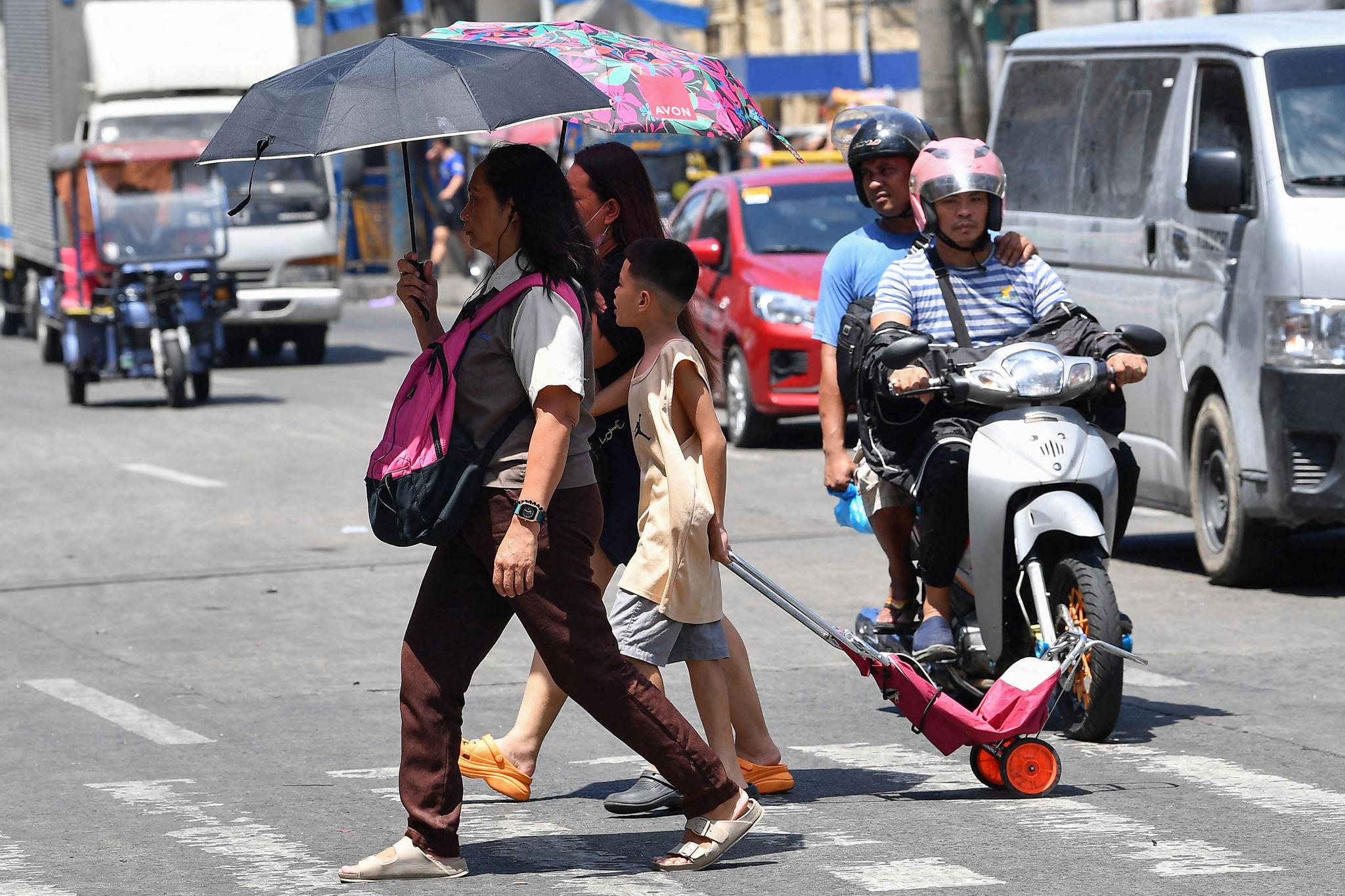
Extreme heat in the Philippines can pose serious health risks, especially for children and senior citizens who may have difficulty regulating their body temperature. During periods of unusually high temperatures and humidity, families need to take extra precautions to prevent dehydration, heat exhaustion, and potentially life-threatening heatstroke. Understanding the warning signs and knowing how to respond can help protect vulnerable family members and reduce the risk of heat-related emergencies.
Prolonged periods of extreme heat can pose serious health risks, particularly for children and senior citizens. As temperatures and heat index levels rise in different parts of the Philippines, families need to take extra precautions to prevent dehydration, heat exhaustion, and potentially life-threatening heatstroke.
Children, especially infants and young kids, may not recognize when their bodies are becoming overheated. Older adults also face increased risks because aging can affect the body’s ability to regulate temperature and respond to dehydration.
For Filipino households, protecting vulnerable family members requires more than simply staying indoors or drinking water. Knowing the warning signs of heat-related illnesses, keeping living spaces cool, and recognizing when medical attention is necessary can help prevent emergencies.
Here are practical ways families can protect children and senior citizens during periods of extreme heat.
Why Children and Senior Citizens Are More Vulnerable to Extreme Heat
Extreme heat affects everyone, but some groups have a harder time maintaining a normal body temperature.
Children produce heat during physical activities and may become dehydrated quickly, particularly when playing outdoors. Younger children also depend on adults to recognize when they need water, rest, or a cooler environment.
Senior citizens face different challenges. As people age, their bodies may become less efficient at regulating temperature and recognizing thirst. Some older adults also have existing medical conditions or take medications that can affect hydration, sweating, circulation, or the body’s response to heat.
People with heart, kidney, lung, or other chronic conditions may also experience additional risks during prolonged hot weather.
According to the World Health Organization (WHO), older adults and people with certain medical conditions require particular attention during heatwaves. Families should regularly check on vulnerable relatives rather than waiting for them to report discomfort.
1. Encourage Regular Water Intake Throughout the Day
Dehydration is one of the most common health concerns during extremely hot weather. When the body loses more fluids through sweating than it replaces, it can affect normal body functions and increase the risk of heat-related illnesses.
Parents and caregivers should encourage children to drink water regularly, even when they do not complain of thirst. The same applies to senior citizens, who may have a reduced sensation of thirst.
Practical hydration tips include:
- Offer children water regularly, especially after playing or engaging in physical activities.
- Keep drinking water accessible in areas where family members spend most of their time.
- Encourage older adults to drink water throughout the day unless their doctor has prescribed fluid restrictions.
- Include water-rich foods such as watermelon, cucumber, oranges, and other fresh fruits.
- Bring drinking water when traveling or spending time outdoors.
Water is generally the best everyday hydration choice. Sports drinks are not routinely necessary for people doing ordinary daily activities, although medical professionals may recommend appropriate fluid and electrolyte replacement in certain situations.
Families should also remember that people with kidney disease, heart failure, or other conditions requiring fluid restrictions should follow their healthcare provider’s instructions instead of increasing water intake without medical advice.
2. Avoid Outdoor Activities During the Hottest Hours
Outdoor activities can increase the body’s heat exposure, particularly when sunlight is strong and humidity is high.
Children should avoid prolonged outdoor play during the hottest parts of the day. Parents can schedule outdoor activities early in the morning or later in the afternoon when conditions are more comfortable.
Senior citizens should also limit unnecessary outdoor activities during periods of high heat.
When going outside cannot be avoided, families should:
- Use umbrellas, hats, or other suitable sun protection.
- Wear loose-fitting, lightweight, and breathable clothing.
- Take frequent breaks in shaded or air-conditioned areas.
- Avoid strenuous activities under direct sunlight.
- Bring drinking water when traveling.
- Stop physical activities immediately if dizziness, weakness, or unusual fatigue develops.
PAGASA regularly publishes heat index information to help the public understand how hot conditions may feel. Checking local forecasts before planning outdoor activities can help families make safer decisions.
3. Keep the House Cool and Properly Ventilated
A hot indoor environment can also increase the risk of heat-related illnesses, especially when a home has poor ventilation or receives direct sunlight throughout the day.
Families do not necessarily need expensive air-conditioning systems to make their homes more comfortable. Several affordable measures can help reduce indoor heat.
Consider these practical steps:
- Open windows when outdoor conditions allow better ventilation.
- Use electric fans to improve air circulation.
- Close curtains or blinds on windows receiving direct sunlight.
- Avoid using heat-producing appliances unnecessarily during the hottest hours.
- Keep children and senior citizens in the coolest available room.
- Use cool showers or damp towels to help lower body temperature.
Electric fans can improve comfort, but they may not adequately protect people when indoor temperatures become extremely high. If the house remains dangerously hot, consider spending time in an air-conditioned public building or another cooler location.
Caregivers should also check bedrooms before bedtime because some homes retain heat even after the sun goes down.
4. Recognize the Early Signs of Heat Exhaustion
Heat exhaustion happens when the body becomes overheated and loses significant amounts of water and salt through sweating.
It can develop after prolonged exposure to high temperatures or physical activity in hot conditions.
Common warning signs include:
- Heavy sweating
- Excessive thirst
- Headache
- Dizziness or lightheadedness
- Weakness and unusual fatigue
- Nausea or vomiting
- Muscle cramps
- Cool, pale, or clammy skin
- Rapid or weak pulse
Children may become unusually irritable, tired, or less active than normal. Older adults may experience weakness, dizziness, or difficulty performing their usual activities.
When these symptoms appear, immediately move the affected person to a cooler location. Stop physical activity, loosen unnecessary clothing, and use cool wet towels or other cooling measures.
If the person is fully alert and able to swallow safely, offer small, frequent sips of cool water.
Seek medical attention if symptoms worsen, vomiting occurs, or the person does not improve promptly.
5. Know the Warning Signs of Heatstroke
Heatstroke is the most serious heat-related illness and is a medical emergency. It occurs when the body’s temperature regulation system becomes overwhelmed.
Unlike ordinary heat exhaustion, heatstroke can cause serious damage to the brain, heart, kidneys, and other organs if treatment is delayed.
Warning signs may include:
- Confusion or unusual behavior
- Difficulty speaking or communicating
- Fainting or loss of consciousness
- Seizures
- Very high body temperature
- Rapid breathing
- Severe weakness
- Hot skin, which may be dry or sweaty
An important reminder: A person experiencing heatstroke may still be sweating. The absence of sweating is not a requirement for recognizing this emergency.
If a child or senior citizen shows signs of heatstroke, call 911 immediately or seek emergency medical assistance.
While waiting for help:
- Move the person to a shaded or cooler area.
- Remove unnecessary clothing.
- Begin cooling the body immediately using cool water, wet towels, or a cool shower if safe.
- Place cold packs wrapped in cloth around the neck, armpits, and groin.
- Keep the person under observation until emergency responders arrive.
- Do not give food, water, or other drinks if the person is confused, unconscious, having seizures, or unable to swallow safely.
Do not delay emergency medical assistance while attempting home treatment. Rapid cooling and immediate medical care are essential.
6. Give Infants and Young Children Extra Attention
Babies and young children need special protection because they cannot always communicate discomfort or recognize the early symptoms of overheating.
Parents should pay attention to changes in behavior, feeding patterns, and physical condition during particularly hot days.
Important precautions include:
- Never leave a child alone inside a parked vehicle, even for a short period.
- Avoid taking babies outside during extremely hot conditions unless necessary.
- Dress children in lightweight and breathable clothing.
- Offer breast milk or formula as appropriate for infants.
- Follow age-appropriate hydration advice from a pediatrician.
- Provide shaded and well-ventilated areas for children.
- Avoid excessive physical activity during periods of high heat.
For babies younger than six months, breast milk or infant formula generally provides the hydration they need. Do not give plain water to young infants unless advised by a healthcare professional.
Parents should seek medical advice if a baby becomes unusually sleepy, feeds poorly, has fewer wet diapers, or shows other signs of dehydration.
7. Monitor Senior Citizens With Existing Medical Conditions
Older adults with chronic illnesses may face additional complications during prolonged hot weather.
Conditions such as heart disease, kidney disease, diabetes, and respiratory illnesses can make it more difficult for the body to cope with extreme temperatures.
Certain medications may also affect sweating, hydration, and temperature regulation. These can include some diuretics, blood pressure medicines, and other prescription drugs.
Family members and caregivers should:
- Check on senior citizens several times throughout the day during extreme heat.
- Make sure drinking water is accessible, following any medical fluid restrictions.
- Help them avoid unnecessary outdoor activities.
- Monitor unusual weakness, confusion, dizziness, or changes in behavior.
- Keep prescribed medications stored according to their labels.
- Consult a healthcare professional about medication-related heat risks.
Never stop or adjust prescribed medication simply because the weather is hot. A doctor or pharmacist should determine whether any changes are necessary.
Senior citizens who live alone may need additional assistance during periods of extreme heat. Regular phone calls or visits can help families identify problems before they become emergencies.
8. Choose Appropriate Clothing and Sun Protection
Clothing can influence how comfortably the body handles high temperatures.
Dark, thick, and tight-fitting garments may make outdoor conditions less comfortable, particularly under direct sunlight.
Children and older adults should wear lightweight, loose-fitting clothing that allows air to circulate around the body.
When going outdoors, consider the following:
- Light-colored shirts and breathable fabrics
- Wide-brimmed hats or caps
- Sunglasses that provide UV protection
- Umbrellas for additional shade
- Broad-spectrum sunscreen on exposed skin
Sunscreen helps protect against ultraviolet radiation and sunburn, but it does not prevent heatstroke. People still need shade, hydration, and breaks from hot conditions.
9. Prepare a Family Heat Safety Plan
Preparation can make a significant difference when temperatures remain high for several days.
Every household should have a simple plan for protecting children, older adults, and other vulnerable family members.
A practical family heat safety plan should include:
- Identifying the coolest room in the house.
- Keeping safe drinking water available.
- Knowing the location of the nearest health center or hospital.
- Keeping emergency contact numbers accessible.
- Preparing lightweight clothing, umbrellas, and other sun protection.
- Planning outdoor activities around local weather conditions.
- Checking on relatives who live alone or need additional assistance.
Families should also monitor announcements from PAGASA and health advisories from the Department of Health (DOH).
PAGASA’s heat index forecasts can help households assess outdoor conditions, but actual heat exposure may vary depending on location, ventilation, shade, and physical activity.
When Should Families Seek Medical Help?
Not all heat-related symptoms require hospitalization, but certain warning signs should never be ignored.
Seek emergency assistance immediately if someone experiences confusion, seizures, fainting, loss of consciousness, or other signs of possible heatstroke.
For persistent dizziness, vomiting, severe weakness, or symptoms that do not improve after moving to a cooler place and resting, seek prompt medical assessment.
Parents should be especially cautious when infants develop unusual sleepiness, poor feeding, or signs of dehydration. Older adults who suddenly become confused or unusually weak also need urgent evaluation because these changes may have several serious causes.
Early medical attention can help prevent complications and reduce the risks associated with heat exposure.
Frequently Asked Questions About Extreme Heat
Why are children and senior citizens more vulnerable to extreme heat?
Children and older adults may have greater difficulty regulating body temperature. Children also depend on adults to recognize overheating, while older adults may have reduced thirst sensations, chronic illnesses, or medications that affect their response to heat.
What is the difference between heat exhaustion and heatstroke?
Heat exhaustion commonly causes heavy sweating, weakness, dizziness, nausea, and thirst. Heatstroke is a life-threatening emergency that may cause confusion, seizures, loss of consciousness, and dangerously elevated body temperature.
How much water should children and senior citizens drink during hot weather?
Fluid needs vary depending on age, body size, activity, and medical conditions. Children should be offered age-appropriate fluids regularly, while older adults should maintain adequate hydration unless their healthcare provider has prescribed fluid restrictions.
Can electric fans prevent heatstroke?
Fans can improve comfort and air circulation, but they may not provide sufficient cooling during extremely hot conditions. Families should seek a cooler environment when indoor temperatures become dangerously high.
What should parents do if their child shows signs of heat exhaustion?
Move the child to a cooler place, stop physical activity, loosen unnecessary clothing, and use cool wet towels to help lower body temperature. Offer small sips of water if the child is fully alert and can swallow safely. Seek medical attention if symptoms worsen or do not improve promptly.
Conclusion
Extreme heat is more than a discomfort during the hot season. It can become a serious health threat, particularly for children and senior citizens who may have greater difficulty regulating their body temperature.
Filipino families can reduce these risks through regular hydration, proper ventilation, reduced outdoor exposure, and close monitoring of vulnerable household members. Recognizing the early signs of heat exhaustion and knowing how to respond to heatstroke can also help prevent life-threatening emergencies.
As hot weather continues to affect communities, protecting children and older adults should be a shared responsibility. Simple precautions, timely medical attention, and reliable information from health authorities can help keep families safer and healthier.
Sources and Further Reading
- Department of Health – Center for Health Development Cordillera: Heat-Related Illnesses
- PAGASA – Official Heat Index Information
- World Health Organization – Heatwaves: How to Stay Cool
- UNICEF Philippines – Beat the Heat: Practical Tips for Parents
- Philippine Information Agency – DOH Advises Public to Protect Themselves From Extreme Heat Amid El Niño
This article is for public information and does not replace professional medical advice, diagnosis, or treatment.

 Facebook
 Twitter