
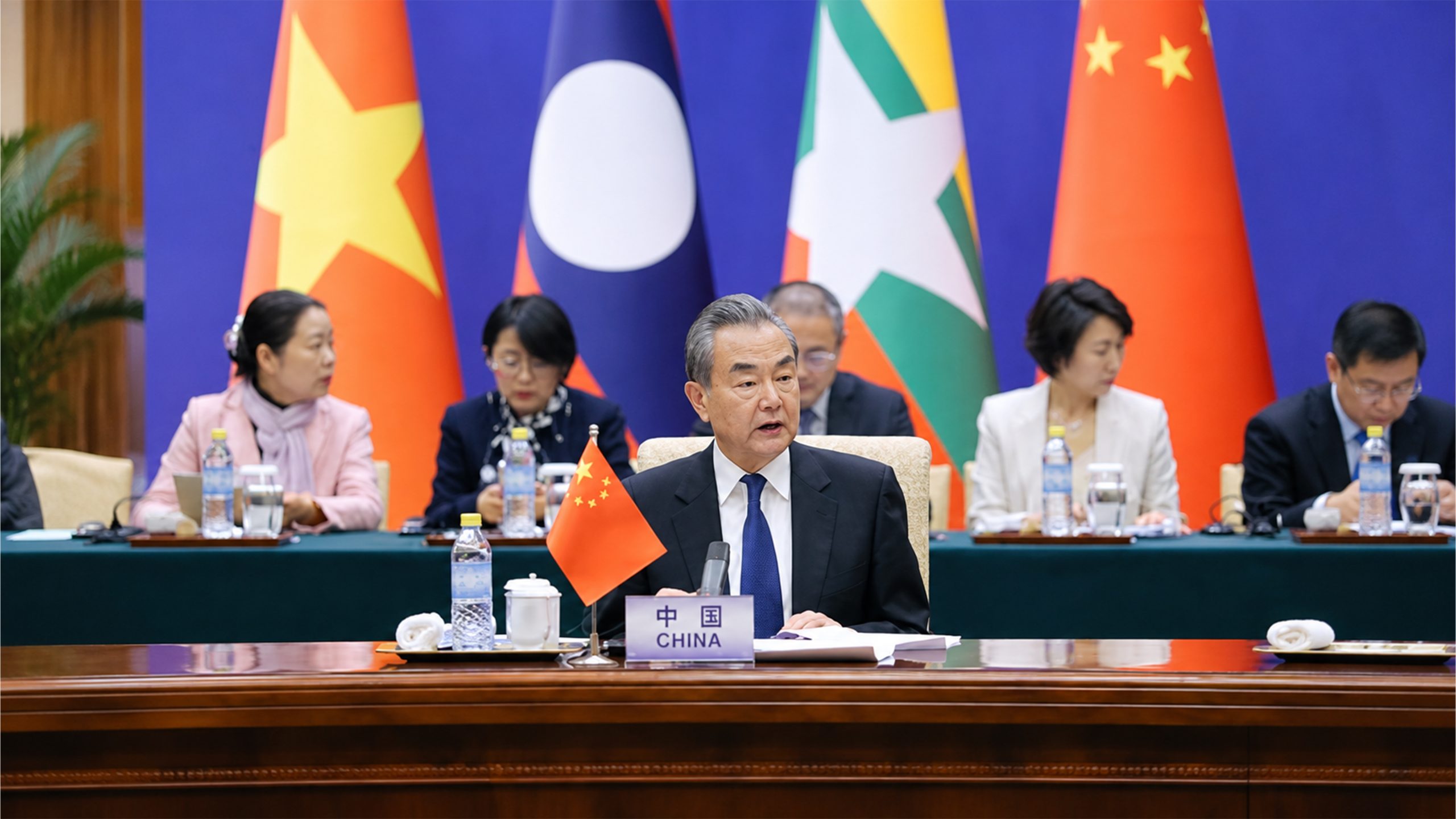
West Philippine Sea tensions continue to challenge diplomatic relations between China and the Philippines, following a phone conversation in which Chinese Foreign Minister Wang Yi criticized the actions of some Filipino politicians. The discussion with Philippine Foreign Secretary Ma. Theresa Lazaro highlighted continuing disagreements over maritime issues and the need for both governments to maintain diplomatic communication.
MANILA, Philippines — China has accused some Filipino politicians of interfering in relations between Beijing and Manila, as tensions over the West Philippine Sea continue to affect diplomatic ties between the two countries.
Chinese Foreign Minister Wang Yi raised the issue during a phone conversation with Philippine Foreign Secretary Ma. Theresa Lazaro on Tuesday night, November 3. According to China’s Ministry of Foreign Affairs, Wang said certain Philippine politicians had repeatedly criticized China and acted out of political prejudice and personal interests.
Wang described the situation as “malicious interference” in the relationship between the two countries. He urged the Philippine government to exercise restraint over the individuals involved and maintain what he called a rational and consistent position in its policy toward China.
He also called on the Philippines to be cautious in its statements and actions concerning the South China Sea, where the two countries have overlapping maritime claims.
Philippines emphasizes diplomatic dialogue
Following the conversation, Lazaro described her discussion with Wang as frank and constructive.
In a statement posted on social media, the Philippine foreign secretary said both sides emphasized the importance of continued diplomatic dialogue and the responsible management of differences based on mutual respect.
Her statement did not publicly address the specific allegations Wang raised against Filipino politicians.
The two countries have maintained diplomatic channels despite disagreements over maritime activities and territorial claims in the South China Sea. However, their relationship has experienced renewed strain following a series of public exchanges involving senior officials from both governments.
Recent exchanges add to diplomatic tensions
The phone conversation came after disagreements between Philippine and Chinese officials over comments concerning regional security and China’s participation in a recent regional defense meeting.
Philippine Defense Secretary Gilberto Teodoro previously described China as a regional “troublemaker.” The remarks drew criticism from Chinese officials.
Chinese Ambassador to the Philippines Jing Quan later made comments suggesting that China could easily win if it chose to use force, although he also said Beijing preferred peace and would not choose that option.
The ambassador’s remarks prompted reactions from Philippine officials, including President Ferdinand Marcos Jr., who said the statement sounded like a threat.
These exchanges have added to existing tensions over the West Philippine Sea, where Manila and Beijing maintain competing claims and have repeatedly disagreed over maritime activities.
Reed Bank exploration also discussed
Aside from the diplomatic disagreements, Wang and Lazaro also discussed the possibility of restarting negotiations on joint oil and gas exploration in Reed Bank, according to an unnamed Philippine official cited by the Associated Press.
Reed Bank, also known as Recto Bank, is an offshore area in the South China Sea that is claimed by both the Philippines and China. It lies within the Philippines’ 200-nautical-mile exclusive economic zone.
Under the United Nations Convention on the Law of the Sea, coastal states have sovereign rights to explore and develop natural resources within their exclusive economic zones.
The Philippines has long considered the area important for its energy security, particularly as the country seeks additional sources of natural gas and other energy resources.
Previous efforts to pursue joint exploration with China have encountered difficulties amid disagreements over maritime claims and the legal framework for resource development.
The possible resumption of discussions could provide another avenue for cooperation, although no final agreement on renewed exploration was announced following the latest phone conversation.
Longstanding maritime dispute remains unresolved
The Philippines and China have been involved in a prolonged dispute over parts of the South China Sea, including areas within the Philippines’ claimed maritime zones.
In 2016, an arbitral tribunal constituted under the United Nations Convention on the Law of the Sea ruled that China’s expansive claims based on its nine-dash line had no legal basis under the convention. The tribunal also clarified certain maritime entitlements in the disputed waters.
China rejected the ruling and has continued to maintain its claims over much of the South China Sea. The Philippines, meanwhile, continues to recognize the decision as a significant basis for its position on maritime rights.
Other countries, including Vietnam, Malaysia, Brunei and Taiwan, also have claims or interests in parts of the strategically important waterway, which serves as a major route for international shipping and trade.
Despite their differences, Manila and Beijing have continued diplomatic engagement to prevent disagreements from escalating further.
The latest conversation between Wang and Lazaro indicates that both governments remain in communication even as tensions persist. Whether the discussions will lead to improvements in bilateral relations will depend on how both sides manage their maritime disagreements and other areas of concern in the coming months.

 Facebook
 Twitter