
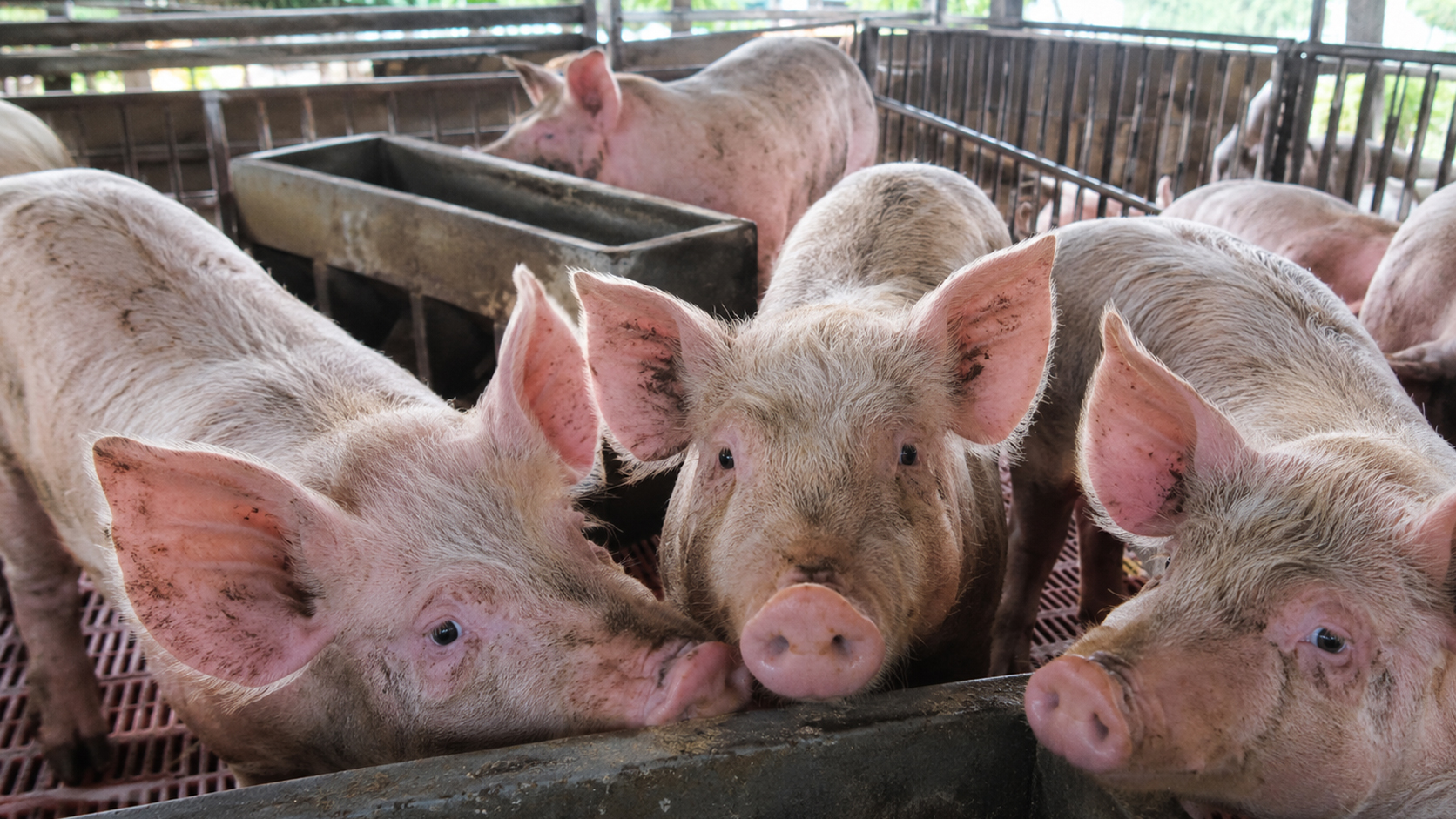
Cebu hog raisers are facing growing financial pressure as some livestock traders reportedly offer as little as ₱105 per kilogram for live pigs, despite retail pork prices reaching as much as ₱300 per kilogram in public markets. The widening price gap has raised concerns about the sustainability of local hog farming and prompted producers to seek government intervention.
The situation has highlighted the challenges facing the Philippine livestock industry, particularly small and medium-scale farmers who continue to deal with rising production expenses, competition from imported pork, and the threat of African swine fever (ASF).
According to reports from Cebu, local hog raisers recently met with Governor Pamela Baricuatro at the Cebu Provincial Capitol to discuss their difficulties. Producers raised concerns about low buying prices, competition from suppliers in Negros Island, and the growing difficulty of recovering their investments.
Cebu Hog Raisers Seek Government Assistance
Local hog producers say the prices being offered for live pigs are making it increasingly difficult to sustain their farming operations. Commercial feeds, veterinary services, medicines, labor, electricity, and farm maintenance account for a significant portion of their operating expenses.
When traders offer prices that do not cover these costs, farmers risk losing money even after successfully raising their livestock to market weight.
The situation also creates uncertainty for farmers planning their next production cycle. Some may consider reducing the number of animals they raise or delaying investments in farm improvements if selling prices remain weak.
Competition from pork suppliers in Negros Island has also been identified as a concern among Cebu producers. Access to alternative sources of livestock can affect the bargaining position of local farmers when traders negotiate buying prices.
Why Farmgate and Retail Pork Prices Are Different
The reported difference between the ₱105 farmgate price and the ₱300 retail price has raised questions about how pork prices are determined.
However, the two figures refer to different products and should not be directly compared as if they represent the profit earned by traders.
The farmgate price generally refers to the weight of a live pig, while retail prices are based on processed meat sold to consumers. Slaughtering, transportation, meat inspection, processing, storage, and retail operations all contribute to the final selling price.
Despite these differences, the gap highlights the need for greater transparency in the pork supply chain. Better monitoring of farmgate, wholesale, and retail prices could help authorities understand where pricing pressures occur and whether farmers receive a reasonable share of the value generated by the industry.
DA Restricts Pork Imports Amid Industry Concerns
The concerns raised by Cebu hog raisers come as the Department of Agriculture (DA) moves to protect domestic producers from increasing import competition.
On November 9, 2026, the department announced a provisional 60-day restriction on certain pork imports following concerns about rising imported pork volumes and mounting losses among local producers.
Agriculture Secretary Francisco Tiu Laurel Jr. said the measure was intended to provide temporary relief to the domestic hog industry.
The DA reported that local hog producers suffered an estimated ₱27.9 billion in losses from January to July 2026. The department also warned that losses could reach ₱55.8 billion by the end of the year if unfavorable market conditions continue.
The agency also cited growing frozen pork inventories and increased import volumes as factors affecting the local industry.
The restriction covers specified fresh and frozen pork products, including certain cuts, carcasses, and edible offal. Its implementation is subject to the effectivity conditions stated in the department order.
Proposed ₱210 Farmgate Price Remains a Challenge
Another proposal being discussed by industry stakeholders is a minimum buying price of ₱210 per kilogram for live hogs.
The proposed amount is intended to help local producers recover their production expenses and improve their earnings. However, the DA has acknowledged that it currently lacks the legal authority to impose a mandatory farmgate price floor.
Without an enforceable pricing mechanism, farmers may continue to depend on negotiations with traders and buyers, leaving some producers vulnerable to unfavorable market conditions.
Industry representatives have continued to call for measures that would strengthen the position of local hog raisers and improve the stability of livestock prices.
What the Pork Price Situation Means for Consumers
The difficulties experienced by hog raisers could also affect consumers if local production continues to weaken.
If farmers reduce production because of financial losses, the country could become more dependent on imported pork to meet domestic demand. This may create additional challenges for the local livestock industry and food supply.
Meanwhile, consumers are still dealing with relatively expensive pork in public markets. The government’s import restriction may help domestic producers, but its effect on retail prices remains uncertain.
Cebu officials have encouraged hog raisers to explore direct marketing opportunities through the provincial government’s Agrilink Cebu platform. The initiative aims to connect producers with buyers, processors, and consumers, potentially reducing dependence on traditional trading channels.
For Cebu hog raisers, the immediate concern remains finding buyers who can offer prices that cover production expenses. Whether government intervention, improved market access, and import restrictions will provide lasting relief will depend on how these measures are implemented.
The challenge for policymakers is to protect local farmers while ensuring that pork remains affordable for Filipino households.

 Facebook
 Twitter