
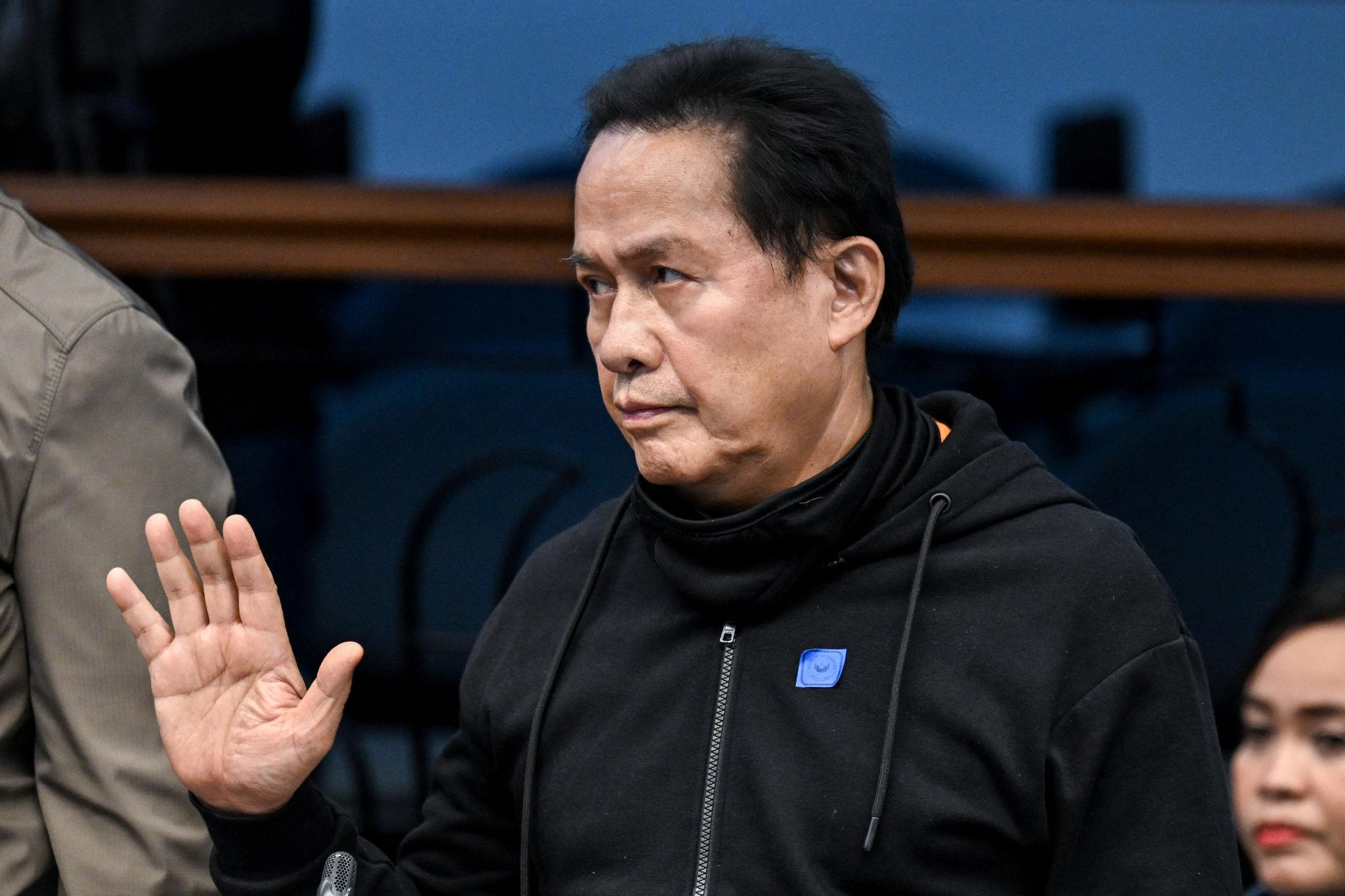
The Quiboloy extradition case has entered a new stage after the Department of Justice (DOJ) confirmed that the petition seeking to transfer Kingdom of Jesus Christ (KOJC) founder Pastor Apollo Quiboloy to the United States has been filed before a Philippine court. The development places the request under judicial review, where the court will determine whether the legal requirements for extradition have been satisfied.
The development follows the filing of an extradition petition before the Makati Regional Trial Court on November 9, 2026. The case was assigned to Branch 145, presided over by Judge Karen Matti Sy.
DOJ officials said the matter is now up to the courts, which will determine whether the legal requirements for extraditing Quiboloy and his co-accused to the United States have been satisfied.
The petition also covers two other individuals, Teresita Tolibas Dandan and Helen Panilag, who are included in the US extradition request.
Why the United States Wants Quiboloy Extradited
Quiboloy is wanted by US authorities over allegations involving sex trafficking, international human trafficking, conspiracy, and bulk cash smuggling.
The US investigation centers on allegations that members of the Kingdom of Jesus Christ were recruited under the guise of religious work and subsequently subjected to exploitation.
US prosecutors have also raised allegations involving the recruitment and abuse of women and minors, as well as other offenses connected to the religious organization’s operations.
Quiboloy has denied wrongdoing. The allegations remain subject to judicial proceedings and have not been established through a final conviction in the United States.
The extradition request is intended to bring him under US jurisdiction to face the charges filed against him.
What Happens Now That the Case Is Before the Court?
With the DOJ having filed the petition, the responsibility now shifts to the judiciary.
The Makati court must examine the extradition documents and determine whether the requirements under Philippine law and the Philippines-US Extradition Treaty have been met.
These proceedings are separate from a regular criminal trial. The court is not being asked to determine whether Quiboloy is guilty of the underlying US criminal allegations. Instead, it must assess whether there are sufficient legal grounds to authorize his extradition.
The court will examine the supporting documents, the identity of the individuals named in the request, and whether the alleged offenses qualify under the applicable extradition arrangements.
The proceedings will also give the respondents an opportunity to raise legal objections to the request.
Under the Supreme Court’s Rules on Extradition Proceedings, an extradition court’s decision may be appealed to the Court of Appeals within 10 calendar days from receipt. The appellate court is required to resolve the appeal within 90 calendar days from the submission of the case for resolution.
These procedures mean that the filing of the petition does not automatically result in Quiboloy’s immediate transfer to the United States.
Pending Criminal Cases in the Philippines Could Affect His Transfer
Another important consideration is Quiboloy’s existing criminal cases in the Philippines.
He faces charges involving qualified human trafficking and sexual and child abuse-related offenses. These proceedings are separate from the US extradition request.
Quiboloy was arrested after surrendering to Philippine authorities in Davao City on September 9, 2024. He has remained in detention while facing the cases filed against him.
Under Philippine extradition rules, the execution of an extradition judgment may be postponed when the person sought is facing criminal proceedings or serving a sentence in the Philippines.
However, the rules also provide for the possibility of temporary surrender to the requesting country under appropriate circumstances and subject to the necessary legal arrangements.
This means that even if the court eventually grants the extradition request, the timing of any transfer will depend on the applicable legal procedures and the status of his domestic cases.
A Significant Development in the Philippines-US Legal Cooperation
The filing represents an important development in the Philippines’ handling of the US government’s extradition request.
It also places the case under judicial scrutiny, where the court must independently evaluate the legal basis for the requested transfer.
For the United States, extradition would allow prosecutors to pursue the criminal charges against Quiboloy within their jurisdiction. For the Philippines, the proceedings will test the application of its extradition laws while taking into account the separate criminal cases pending against him.
As the case moves forward, the court’s proceedings will determine whether the request meets the requirements for extradition and what legal steps must be completed before any possible transfer.
For now, Quiboloy’s extradition remains subject to the decision of the Philippine judiciary.

 Facebook
 Twitter