
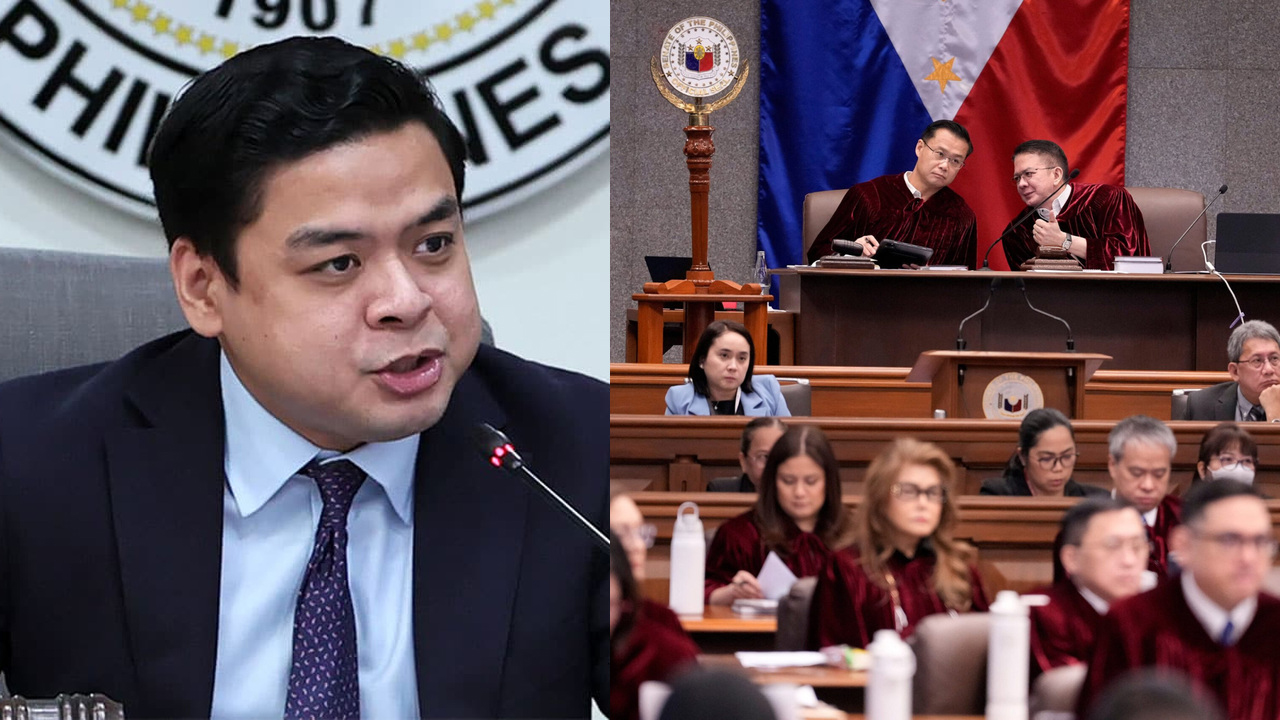
MANILA, Philippines — Sara Duterte property records remain under scrutiny after House prosecutor Terry Ridon questioned whether testimony from two city assessors adequately explained disputed assets linked to the vice president and her husband, lawyer Manases Carpio. The disagreement emerged during Senate impeachment proceedings examining the accuracy of Duterte’s Statements of Assets, Liabilities and Net Worth (SALNs).
Ridon said the assessors’ statements failed to conclusively establish that certain properties identified in land titles and tax declarations matched those listed in Duterte’s financial disclosures.
The defense maintains that the properties were properly declared and disputes the prosecution’s interpretation of the records.
The disagreement has drawn attention to the importance of accurate property documentation and financial transparency among public officials.
Two City Assessors Testify During Impeachment Proceedings
Two local government assessors appeared as defense witnesses during Senate impeachment hearings on November 9 and 10, 2026.
The witnesses were Jaime Adalin, the Davao City assessor, and John Kenneth Enumerables, the Samal City assessor.
Both were presented to explain government property records involving assets associated with Duterte and Carpio.
Adalin discussed a property in Matina Crossing, Davao City, while Enumerables provided information concerning a property on Samal Island.
The defense sought to demonstrate that the properties had already been included in Duterte’s SALNs.
However, prosecutors questioned whether the available documents were sufficient to establish that the properties discussed during the hearings were the same assets listed in the vice president’s declarations.
Ridon argued that important questions remained unanswered after the witnesses testified.
Sara Duterte Property Records Raise Questions Over Davao Asset
One disputed asset is a 379-square-meter property in Matina Crossing, Davao City.
According to information presented during the proceedings, the property was reportedly purchased by Carpio for approximately ₱6 million in 2024.
Prosecutors questioned why an asset identified by the defense as the same property appeared in Duterte’s SALN with an acquisition cost of ₱10 million.
The difference raised questions about whether the two records referred to the same property.
During the hearing, Adalin reportedly relied on tax assessment information and other property details to support the defense’s explanation.
However, the prosecution argued that the testimony did not conclusively establish the connection between the land records and the SALN entry.
The disagreement highlights the importance of verifying property descriptions, ownership documents, and acquisition values when examining financial disclosures.
A difference between a property’s purchase price and its reported acquisition cost may require clarification, but it does not automatically establish wrongdoing.
Samal Island Property Also Questioned
Another disputed property is located on Samal Island, where prosecutors raised concerns about differences in location descriptions.
The records discussed during the hearings reportedly referred to Barangay San Isidro and Barangay Matanos.
The prosecution questioned whether the descriptions identified the same property.
According to information presented during the proceedings, the property had an assessed value of approximately ₱346,960 and a market value of about ₱4.96 million.
The defense maintained that the property had been properly declared and sought to explain differences in the available records.
However, prosecutors argued that the assessor’s testimony did not conclusively resolve the discrepancy.
The issue involves determining whether land titles, tax declarations, and SALN entries consistently identify the same asset.
Differences in administrative descriptions or property records may have explanations that require supporting documentation.
The impeachment court must assess the evidence before determining whether the prosecution’s concerns are justified.
Ridon Says Assessors Failed to Resolve Discrepancies
Ridon criticized the testimony of the two assessors, arguing that their explanations left important questions about the properties unresolved.
According to the prosecution, the witnesses could not conclusively verify certain details connecting the disputed assets to Duterte’s declarations.
Ridon also raised concerns about the circumstances surrounding the testimony of local government employees.
He noted that Davao City is headed by Mayor Sebastian Duterte, the vice president’s brother.
However, Ridon did not establish that the witnesses had been improperly influenced or that their testimony was deliberately misleading.
His concerns remain part of the prosecution’s arguments during the impeachment proceedings.
The defense continues to challenge the prosecution’s interpretation of the evidence.
Defense Maintains Properties Were Properly Declared
Duterte’s defense team has rejected the suggestion that the disputed property records establish deliberate concealment.
Defense spokesperson Michael Poa maintained that the testimony of the Davao City assessor supported the position that the Matina Crossing property had been included in Duterte’s SALN.
The defense relied on tax declarations, assessment information, and other local government records to explain the reported entries.
Regarding the Samal Island property, defense lawyers also sought to clarify differences involving land titles and location descriptions.
The defense maintains that the prosecution has not sufficiently established that the assets were omitted from the vice president’s declarations.
The disagreement illustrates the different interpretations of the same records presented by both sides.
The Senate impeachment court must evaluate the documents and testimony before making findings.
Sara Duterte Property Records Linked to Wealth Allegations
The questions surrounding Sara Duterte property records form part of broader allegations involving the vice president’s financial disclosures.
The impeachment proceedings have included accusations concerning unexplained wealth and possible discrepancies in SALNs filed between 2022 and 2025.
A prosecution forensic accounting expert previously presented an estimate of approximately ₱817.87 million in allegedly unexplained wealth involving Duterte and Carpio.
The defense has challenged the analysis and disputed the prosecution’s interpretation of the financial information.
The figure represents an allegation presented during the proceedings, not an amount established by a final ruling.
The property disputes are among the issues being examined as part of the remaining impeachment charge.
Prosecutors are seeking to establish whether the financial records support their allegations.
The defense continues to argue that the evidence does not establish wrongdoing.
Why SALN Accuracy Matters
A Statement of Assets, Liabilities and Net Worth is an official disclosure document required from public officials and employees under Philippine law.
The document is intended to promote transparency and accountability by recording information about assets, liabilities, and financial interests.
Property declarations may include details such as location, acquisition cost, and ownership information.
Accurate reporting is important because inconsistencies can raise questions about whether public officials have fully disclosed their financial interests.
However, not every discrepancy automatically establishes dishonesty or unlawful conduct.
Differences may arise from documentation, valuation methods, or administrative records.
When questions arise, the relevant documents and explanations must be carefully examined.
In impeachment proceedings, the prosecution and defense have opportunities to present evidence and challenge opposing claims.
Senate Impeachment Court to Evaluate Evidence
The Senate impeachment court is responsible for assessing the evidence presented during the proceedings.
The testimony of the two assessors is only one part of the broader examination of Duterte’s financial declarations.
Senators must consider the available documents, witness statements, and legal arguments before reaching conclusions.
The proceedings may also involve additional records or explanations concerning the disputed properties.
The prosecution maintains that the assessors’ testimony did not resolve important inconsistencies.
The defense argues that the available evidence supports its position that the properties were properly declared.
The court’s evaluation will determine what weight should be given to the competing explanations.
Property Disputes Remain Unresolved
The disagreement over Sara Duterte property records continues to raise questions about the accuracy and completeness of the vice president’s financial disclosures.
Ridon maintains that the testimony of two city assessors failed to settle important issues involving properties in Davao City and Samal Island.
The defense, meanwhile, insists that the properties were declared and that the prosecution has not established deliberate concealment.
The case highlights the importance of reliable documentation and careful examination of evidence in proceedings involving public accountability.
As of the November 18 reporting, the disputed testimony had not resulted in a final determination of wrongdoing.
The Senate impeachment court must evaluate the evidence and arguments from both sides before reaching any conclusion regarding the remaining allegations.

 Facebook
 Twitter