
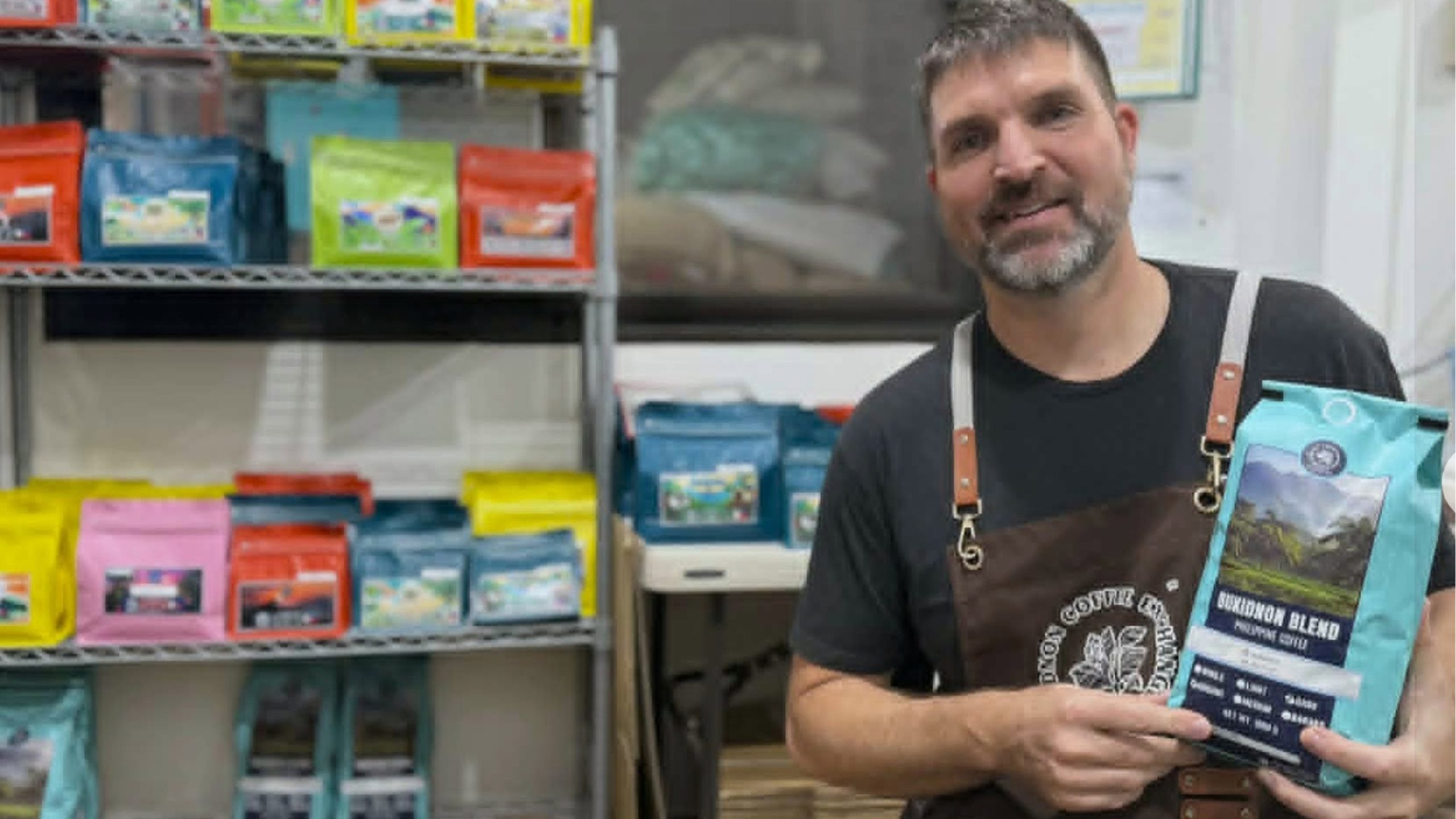
The Solid Rock Children Development Foundation is bringing renewed hope to vulnerable Filipino children and communities in Bukidnon through its commitment to child welfare, education, and community development. Founded by American missionary Casey Burnett and his wife Judith, the organization grew from a personal experience that highlighted the struggles of abandoned and neglected children in the Philippines. Their mission reflects a broader effort to create opportunities for disadvantaged youth while supporting communities through meaningful initiatives.
Some stories linger long after they are read. For American missionary Casey Burnett, one such story was about a young girl named Michelle Sambalilo. After spending several years as a missionary in Butuan City, Casey returned to the United States with his Filipina wife, Judith. Together, they established a home in South Carolina, built a family, and managed a coffee business. Yet the Philippines remained close to their hearts.
One day, Casey came across a news feature about Michelle, an abandoned child who had lived in Manila North Cemetery, a place where thousands of impoverished families survive among tombs and mausoleums. Although Michelle was eventually rescued, years spent in inadequate shelters and a heartbreaking decision by adoption authorities shattered her dream of finding a permanent family.
The story deeply moved Casey. “The Philippines has an abandoned children problem,” the article reported, citing estimates that around 1.8 million Filipino children are abandoned or neglected.
For Casey, the issue became impossible to ignore. He quotes James 1:27 which stated, “Pure and genuine religion in the sight of God the Father means caring for orphans and widows in their distress…”
Answering a Higher Calling
As a Christian, he believed compassion should be expressed through action. Life moved on. The Burnetts operated Cup of Hope Coffee for several years and focused on raising their two children. But the desire to help vulnerable Filipino children never disappeared.
Eventually, the couple sensed a calling to return to the Philippines. Remembering Michelle and countless other abandoned children, the Burnetts founded the Solid Rock Children Development Foundation, a non-profit organization dedicated to providing care, support, and opportunities for disadvantaged Filipino youth.
The journey was far from simple. “Being a foreigner, I can’t just go and pick kids off of the street,” Casey explains. “We have spent the last two years setting up the foundation, buying a property, getting the certificate of occupancy, hiring a social worker and staff to care for children under the DSWD guidelines.”
The foundation works closely with the Department of Social Welfare and Development (DSWD) to ensure children receive proper care and protection. However, a challenge quickly emerged: funding. How could they sustain such an ambitious ministry for years to come?
When Compassion Meets Commerce
The answer came from something Casey knew very well: coffee. Long before establishing a children’s foundation, Casey had developed a deep connection with the coffee industry. “Coffee is one of the first businesses I became acquainted with during my time in China, and I later moved to the Philippines in 2010,” he recalls.
He started his first coffee mill in Barangay MJ Santos in Butuan City, purchasing Robusta coffee from farmers in Agusan del Norte. When the Burnetts returned to the Philippines, they settled in Valencia City, Bukidnon, a province known for its fertile highlands and excellent coffee-growing conditions.
There, they founded the Bukidnon Coffee Exchange (BUKAPEX). The company provides green and roasted coffee beans, including Arabica, Robusta, and Excelsa varieties. More importantly, it serves as a direct link between farmers and buyers while maintaining strict quality standards through modern processing facilities.
Creating a Reliable Market for Farmers
At first, convincing local growers to sell their coffee was not easy. Farmers were hesitant, uncertain whether the new venture would survive. Today, the situation has changed dramatically.
“Whenever farmers bring in beans, we make an effort to purchase them, irrespective of their quality,” Casey says.
He believes creating a dependable market is crucial. “Our objective is to motivate everyone to cultivate coffee, and we can enhance the processing methods as we progress,” he says.
Anyone can sell coffee to BUKAPEX. The company evaluates beans based on numerous factors, including defect count, aroma, cultivar, elevation, moisture content, and post-harvest handling methods.
“We try to buy anything that’s brought in, as long as it’s local,” Casey says.
To improve quality, BUKAPEX also works closely with experienced coffee growers and industry experts. One such consultant has earned recognition through Nestlé-sponsored production programs and now helps guide local coffee farmers in Maramag, Bukidnon.
Investing in Better Coffee
For Casey, helping farmers requires more than simply buying their harvests. It also involves teaching them better production practices.
Although formal training programs are still being planned, his vision includes practical instruction on coffee nursery establishment, tree rejuvenation, post-harvest processing, grading, and sorting. “It will be all hands-on experience,” he says.
Current buying prices, according to Casey, hover around P400 per kilogram for Arabica, P300 for Excelsa, and P220 for Robusta, depending on market conditions.
The demand for coffee continues to rise. “In our first year, we processed approximately eight tons,” Casey says. “This year, we have processed around 15 tons, and I already require 20 tons for the year based on our sales rate.”
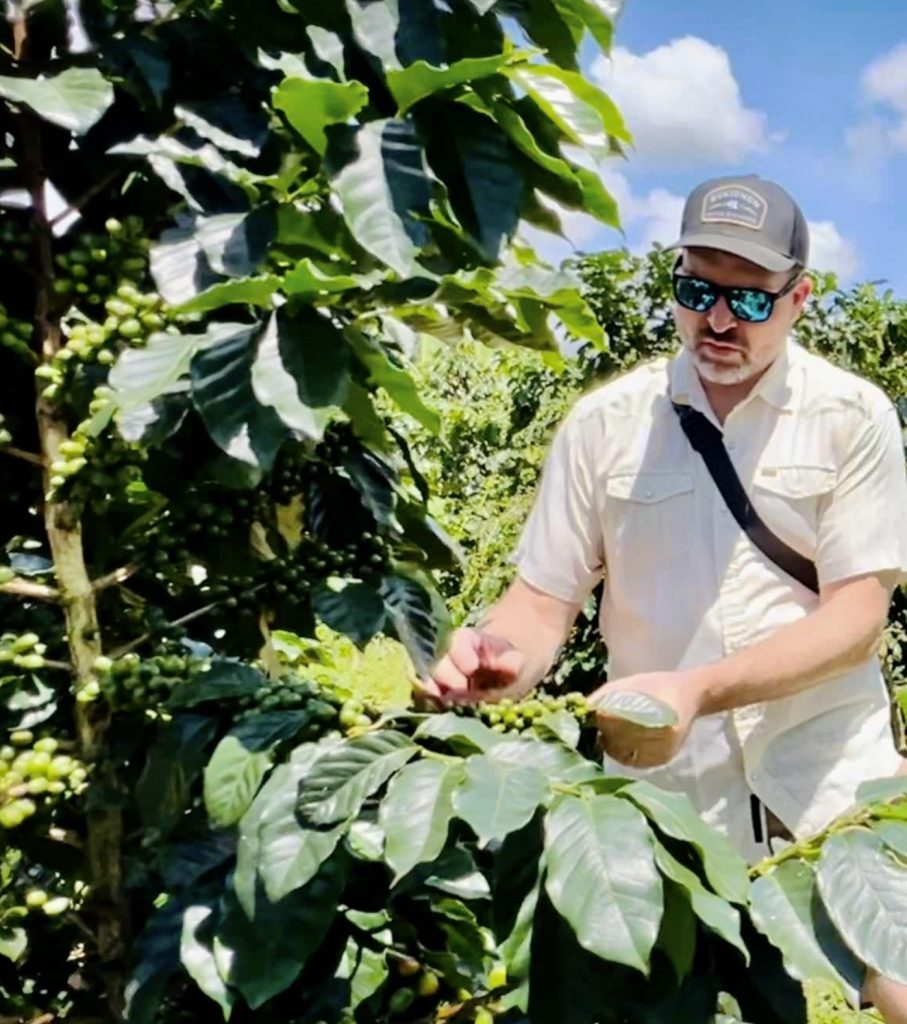
Demand has become so strong that BUKAPEX has begun leasing and purchasing coffee farms to secure a stable supply. The company now operates two hectares of newly planted coffee, owns two hectares with existing trees, and is preparing an additional 10 hectares for cultivation in the Bagong Silang area near Mount Kalatungan.
It has also established a coffee seedling nursery and plans to expand seedling production in the future.
Coffee That Changes Lives
Yet coffee is not the ultimate goal. It is a vehicle. The destination is transforming lives. Revenue generated through BUKAPEX helps support programs under the Solid Rock Children Development Foundation.
The organization serves not only abandoned children but also those from impoverished communities, indigenous groups, and broken homes. “Some of our scholars are raised by a single parent who has abandoned them,” Casey explains.
Many of the beneficiaries come from the Manobo community. Currently, each child’s situation is carefully evaluated.
Once government accreditation is completed, the children’s home hopes to accept referrals directly from government agencies.
Empowering Tribal Girls
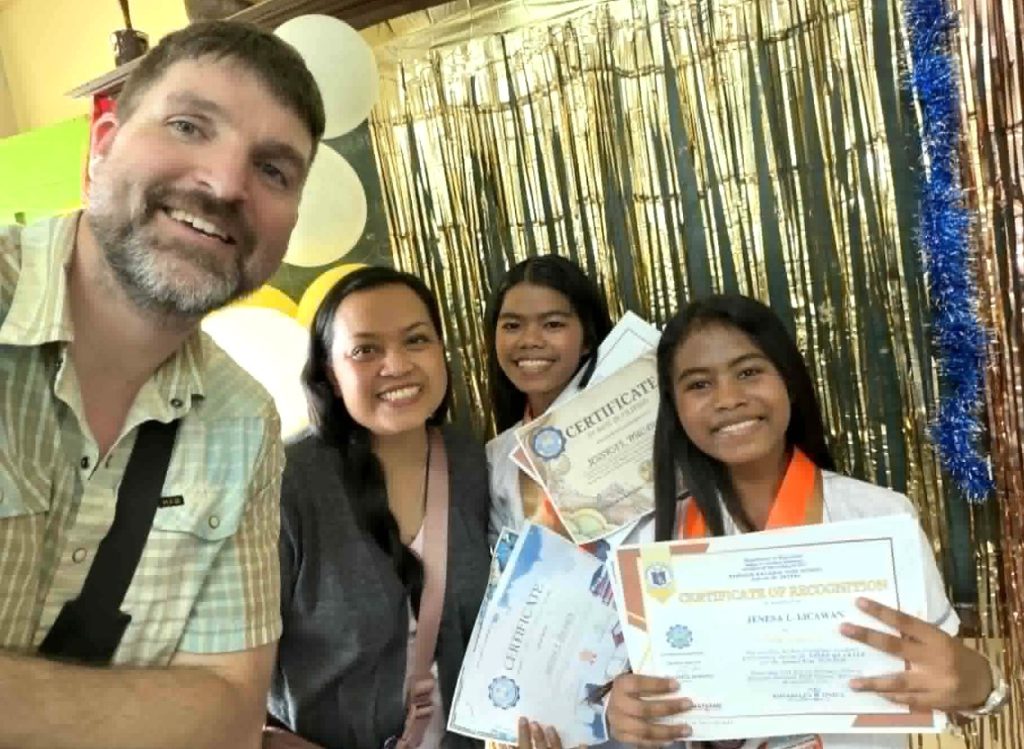
One of the foundation’s most promising initiatives is the Junior Leadership Program, a scholarship project designed specifically for tribal girls. The program pays for education, medical care, dental services, and other essential needs.
At the same time, scholars receive practical job training at BUKAPEX. “We assist them in completing their education, and then we teach them job skills here at Bukidnon Coffee Exchange,” Casey says.
The scholars have even participated in coffee sorting activities for entries submitted to the Philippine Coffee Quality Competition.
One of the beneficiaries, Nina, says the program has changed her life. “I have learned many things through the program that have assisted in my personal development,” she says in Bisaya. “I am now more confident in myself and more determined to achieve my goals. I am more disciplined now and have acquired the ability to manage my time and responsibilities effectively.”
The impact extends beyond education. The organization also teaches financial literacy and entrepreneurship. “Some have already begun investing in coffee independently,” Casey proudly shares.
Breaking the Cycle
For Casey and Judith Burnett, every bag of coffee sold represents more than just business. It represents opportunities for children who may otherwise be forgotten. It represents hope for farmers seeking fair markets. It represents families striving to escape poverty.
“Our goal is that by the time they graduate, they will possess a solid foundation to build strong families and break the cycle of broken homes and poverty,” Casey says.
In a world where profit often comes first, the Burnetts have chosen a different path. Through BUKAPEX and the Solid Rock Children Development Foundation, they have demonstrated that agriculture and compassion can work hand in hand.
Their journey proves that a cup of coffee can do more than awaken the senses. It can educate a child, empower a farmer, restore dignity, and inspire hope.
And for Casey Burnett, that may be the most meaningful blend of all

 Facebook
 Twitter