
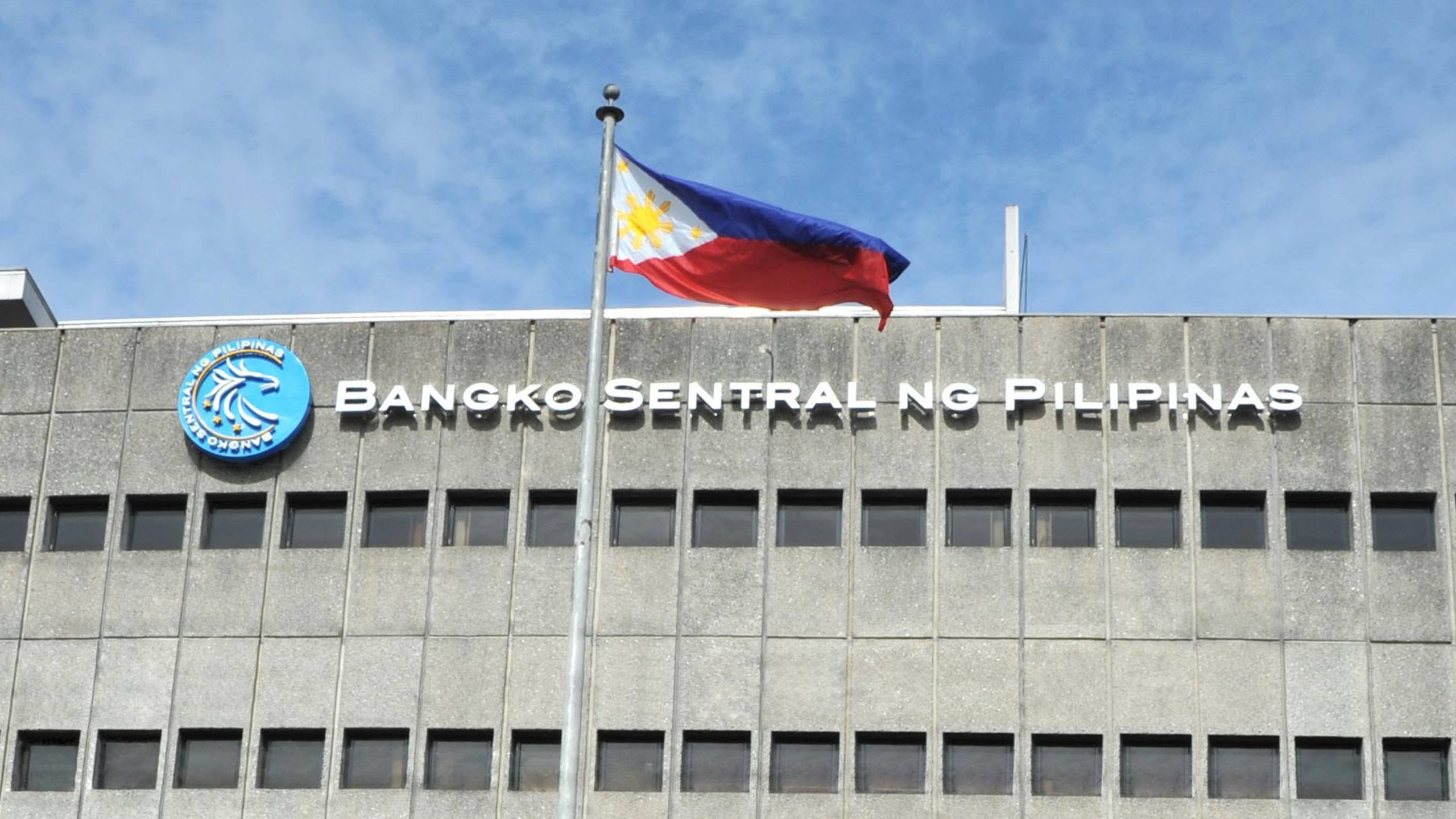
Credit card installment interest in the Philippines could increase following a new decision by the Bangko Sentral ng Pilipinas (BSP) to raise the maximum monthly add-on rate from 1% to 1.5%. The adjustment allows banks and credit card issuers to charge higher rates on new installment loans, potentially increasing borrowing costs for consumers who spread their purchases over several months.
The adjustment is part of BSP Circular No. 1242, Series of 2026, issued on November 10. The new regulation also raises the maximum processing fee for credit card cash advances from ₱200 to ₱300 per transaction.
Despite these changes, the central bank is retaining the existing 3% monthly ceiling on regular credit card finance charges, equivalent to an annual interest rate of 36%.
The adjustments give banks and credit card issuers greater flexibility in setting charges while maintaining regulatory limits on borrowing costs.
BSP Increases Maximum Installment Interest Rate
Under the previous rules, banks and credit card issuers could impose a monthly add-on rate of up to 1% on credit card installment loans.
Circular No. 1242 raises that ceiling to 1.5% per month, representing a 50% increase in the maximum allowable rate.
The change applies to installment loans offered through credit cards, including arrangements that allow cardholders to spread the cost of purchases over several months.
However, the new ceiling does not automatically mean that all banks will increase their installment rates. Financial institutions may continue offering lower rates depending on their respective products and pricing policies.
The BSP said the adjustment aims to balance consumer protection with access to credit while providing credit card issuers with more flexibility to manage rising operating costs.
Cash Advance Processing Fee Also Increases
Aside from the installment interest adjustment, the BSP has raised the maximum one-time processing fee for credit card cash advances.
The fee ceiling will increase from ₱200 to ₱300 per transaction.
Cash advances allow cardholders to withdraw money using their available credit card limits. However, these transactions generally carry additional borrowing costs and should not be confused with ordinary purchases paid through monthly billing.
Under the revised regulation, credit card issuers may collect a processing fee of up to ₱300 per cash advance transaction, subject to the applicable interest rate limits.
How Much More Could Credit Cardholders Pay?
The higher installment rate could increase the total amount consumers pay when converting purchases into installment loans.
For example, consider a hypothetical ₱100,000 purchase converted into a 12-month installment plan.
At the previous maximum add-on rate of 1% per month, the total interest would amount to ₱12,000, bringing the total repayment to ₱112,000.
Under the new maximum rate of 1.5% per month, the total interest would reach ₱18,000, increasing the total repayment to ₱118,000.
This means a consumer could pay an additional ₱6,000 over 12 months if the issuer applies the maximum new rate.
The example assumes a simple add-on interest calculation based on the original principal amount and excludes other applicable charges.
Actual installment costs will depend on the rates, terms and conditions offered by individual credit card issuers.
Regular Credit Card Interest Rate Cap Remains at 3%
The BSP clarified that the latest adjustment does not increase the maximum finance charge on regular credit card transactions.
The existing ceiling remains at 3% per month, equivalent to 36% annually.
This distinction is important because installment loans and unpaid revolving credit card balances are subject to different pricing limits.
The 1.5% monthly add-on ceiling applies specifically to credit card installment loans, while the 3% monthly ceiling continues to govern regular credit card finance charges.
The adjustment therefore does not represent a general increase in all credit card interest rates.
What Happens to Existing Installment Plans?
Filipinos who are already paying for purchases through credit card installment arrangements do not need to worry about an automatic increase in their existing interest rates.
According to the BSP, the revised ceilings will apply only to new transactions starting on the circular’s effectivity date.
Installment loans entered into before that date will remain subject to their previously agreed terms and conditions.
This means existing borrowers should continue following their original installment schedules unless their respective agreements provide otherwise.
Consumers planning to make new installment purchases should check the applicable interest rates and total repayment amounts with their credit card providers before proceeding.
When Will the New BSP Rules Take Effect?
BSP Circular No. 1242 provides that the amendments will take effect 15 calendar days after publication in the Official Gazette or a newspaper of general circulation.
The new ceilings will apply to qualifying transactions made beginning on the effectivity date.
The central bank also emphasized that credit card fees and charges remain subject to existing consumer protection, disclosure and transparency requirements.
BSP Continues Review of Credit Card Charges
The central bank first introduced ceilings on credit card interest rates and certain fees in 2020 as part of measures to protect borrowers during the COVID-19 pandemic.
The regulations were subsequently adjusted in 2023, when the maximum monthly finance charge on regular credit card transactions increased from 2% to 3%.
According to the BSP, its periodic reviews consider prevailing economic conditions, the financial soundness of banks and other financial institutions, and consistency with monetary policy settings.
The latest adjustment reflects the central bank’s effort to balance the availability of consumer credit with safeguards against excessive borrowing costs.
For Filipino credit cardholders, the changes make it increasingly important to compare installment offers, understand the actual cost of borrowing and review repayment terms before committing to new purchases.
Source: Bangko Sentral ng Pilipinas (BSP), Circular No. 1242, Series of 2026; Philippine News Agency.

 Facebook
 Twitter