
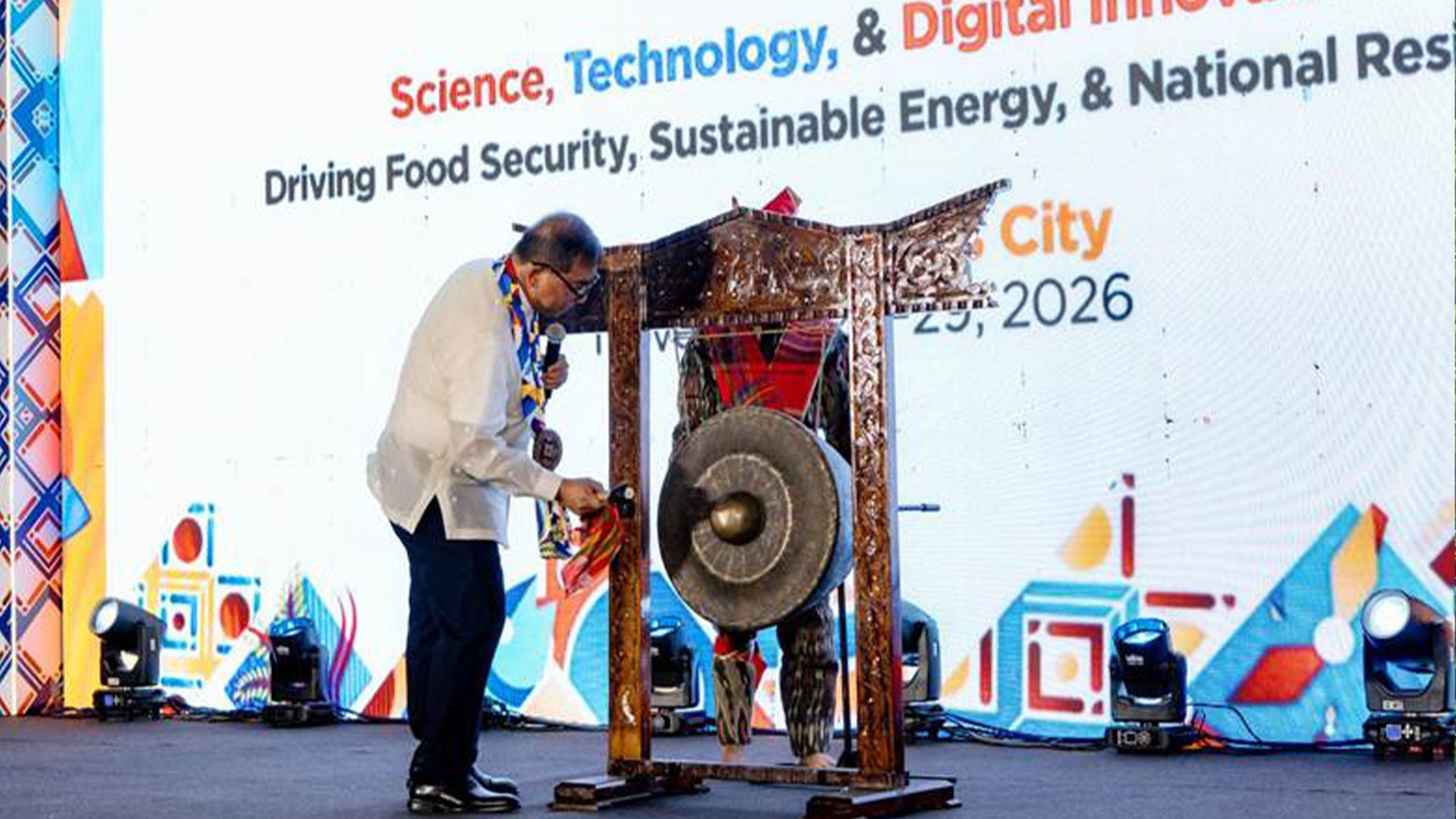
The 2026 NSTW officially opened in General Santos City, bringing together government agencies, researchers, innovators, and communities to highlight how science and technology can address local challenges. During the November 25 opening ceremony, the Department of Science and Technology (DOST) emphasized the importance of community-centered innovations in supporting national development, improving livelihoods, and delivering practical solutions to Filipinos.
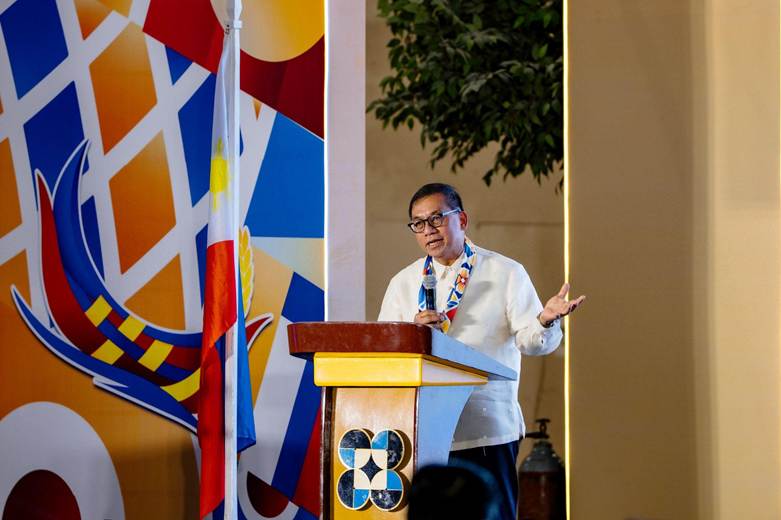
DOST Secretary Renato U. Solidum Jr., in his keynote message during the opening ceremony at Gaisano Mall, underscored how the department remains committed to making science experienced by the nation, especially in bringing solutions and opportunities.
“[The NSTW] is the commitment we continue to uphold—to make science not only understood, but experienced; not only developed, but delivered; and not only advanced, but felt by the communities we serve,” the secretary said.
Food security
With the looming effects of the El Niño phenomenon, Solidum highlighted how science-based advisories and digital tools help farmers across all regions adapt to dry spells.
These are addressed under the DOST’s initiatives Project Smarter Approaches to Reinvigorate Agriculture as an Industry (SARAI) and Smart Innovations for Agriculture (SINAG), including appropriate management of crop planting, irrigation, and pest protection.
Moreover, to cushion the climate impact, the DOST-Philippine Atmospheric, Geophysical, and Astronomical Services Administration (PAGASA) has also deployed the El Niño–Southern Oscillation (ENSO) Assessment Simplified (EASi) Tool, which helps evaluate climate impacts.
“This is why we must ensure that our farmers have access to these technologies and scientific information that can help make better decisions,” he added.
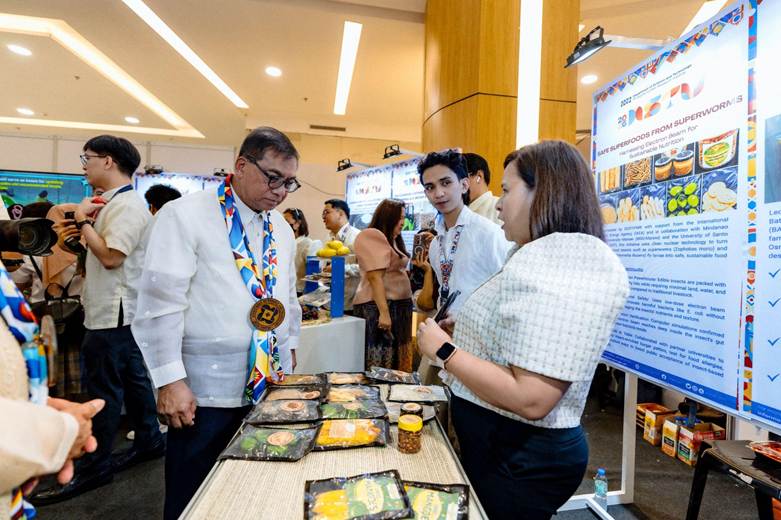
Aklan 1st District Representative Jesus R. Marquez, chairperson of the Committee on Science and Technology in the 20th Congress, has also shared support for the DOST-led agricultural technologies, citing AI-powered technologies and sustainable products.
“Our researchers are studying how images, sound, and artificial intelligence [AI] can help assess quality more reliably,” Marquez said as he talked about AI Durian, a system designed for the fruit’s maturity and quality assessment.
Sustainable energ
Solidum also took pride in deploying Filipino-made electric vehicles and infrastructure, replacing traditional gasoline engines to insulate local drivers from volatile global fuel prices.
“We have also produced electric tricycles and an electric ferry running along Pasig River. And to support our electric mobility system, through UP, we developed the charging-in-minute (CharM) system for electric vehicles. These innovations provide practical alternatives to fuel-powered transportation,” the Secretary said.
The DOST has also integrated renewable energy for micro, small, and medium enterprises (MSMEs) through solar power installed under the Small Enterprise Technology Upgrading Program (SETUP).
Across the regions, multiple enterprises have adopted these systems, with a Cagayan Valley firm reporting a reduced monthly energy cost from PHP 40,000 to under PHP 10,000, along with a farm in Dipolog City that utilizes a biogas digester to power its agricultural operations.
For his part, President Ferdinand “Bongbong” R. Marcos Jr. reaffirmed national commitments to clean energy investment to enhance industrial competitiveness and protect the nation from rising fuel costs.
“We continue to invest in science, technology, and innovation as vital instruments of national development. We want our people to be more competent and productive, our industries to be more competitive, and our communities to have better access to reliable energy,” the president said in a video message.
National resilience
The DOST has also brought forward multiple initiatives and platforms that integrate AI in early warning and emergency response to help strengthen national disaster preparedness.
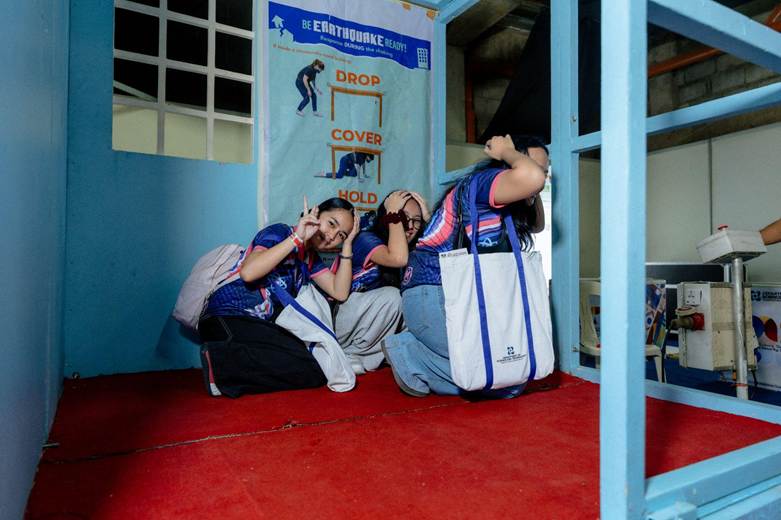
Related to the June quake in General Santos City, the DOST-Philippine Institute of Volcanology and Seismology (PHIVOLCS) immediately deployed quick response teams for geological hazard assessments, damage surveys, and aftershock monitoring to help the city’s recovery.
“Many people were affected [by the earthquake]. It reinforced the importance of science, technology, and innovation in helping communities prepare for natural hazards, minimize their impacts, and safeguard lives and livelihoods,” Solidum said.
Meanwhile, he mentioned some DOST-developed digital hazard tools to provide data to local governments, such as community mapping through GeoRiskPH and HazardHunterPH, alongside PAGASA’s Panahon App, an AI-powered 14-day weather forecasting tool.
To address water shortage risks due to El Niño, DOST-Industrial Technology Development Institute (ITDI) deployed its mobile, solar-powered water purification systems, SAFEWATRS, which can produce 2,000 liters of potable water from surface or shallow wells.
The DOST secretary also mentioned social resilience, as the DOST and the Office of the Presidential Adviser on Peace, Reconciliation and Unity (OPAPRU) bridged peace among former Moro Islamic Liberation Front (MILF) camps through science and technology.
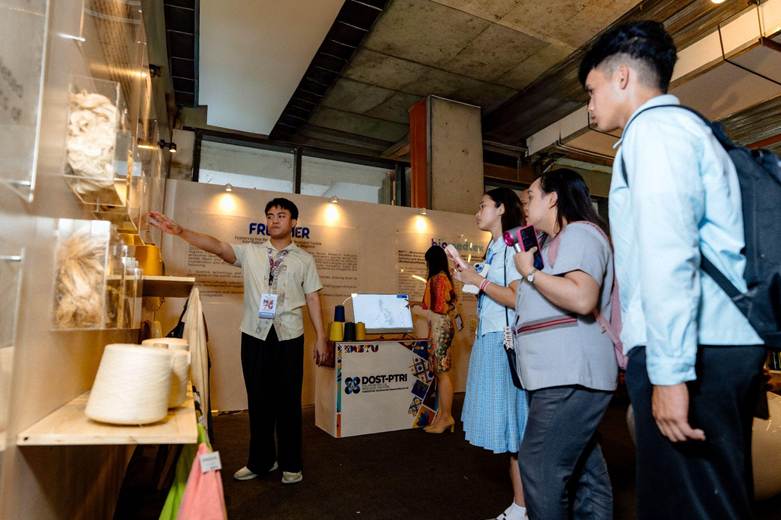
“If you visit them (ex-combatant camps), you can see their smiling faces—very genuine smiles—because now they can see that the efforts of the government through DOST and OPAPRU are really trustworthy and helping them transform their lives,” Solidum shared.
Meanwhile, the NSTW is considered to be a platform to “champion science that reaches communities, responds to the needs, creates opportunities, and empowers people to shape their own future.”

 Facebook
 Twitter