
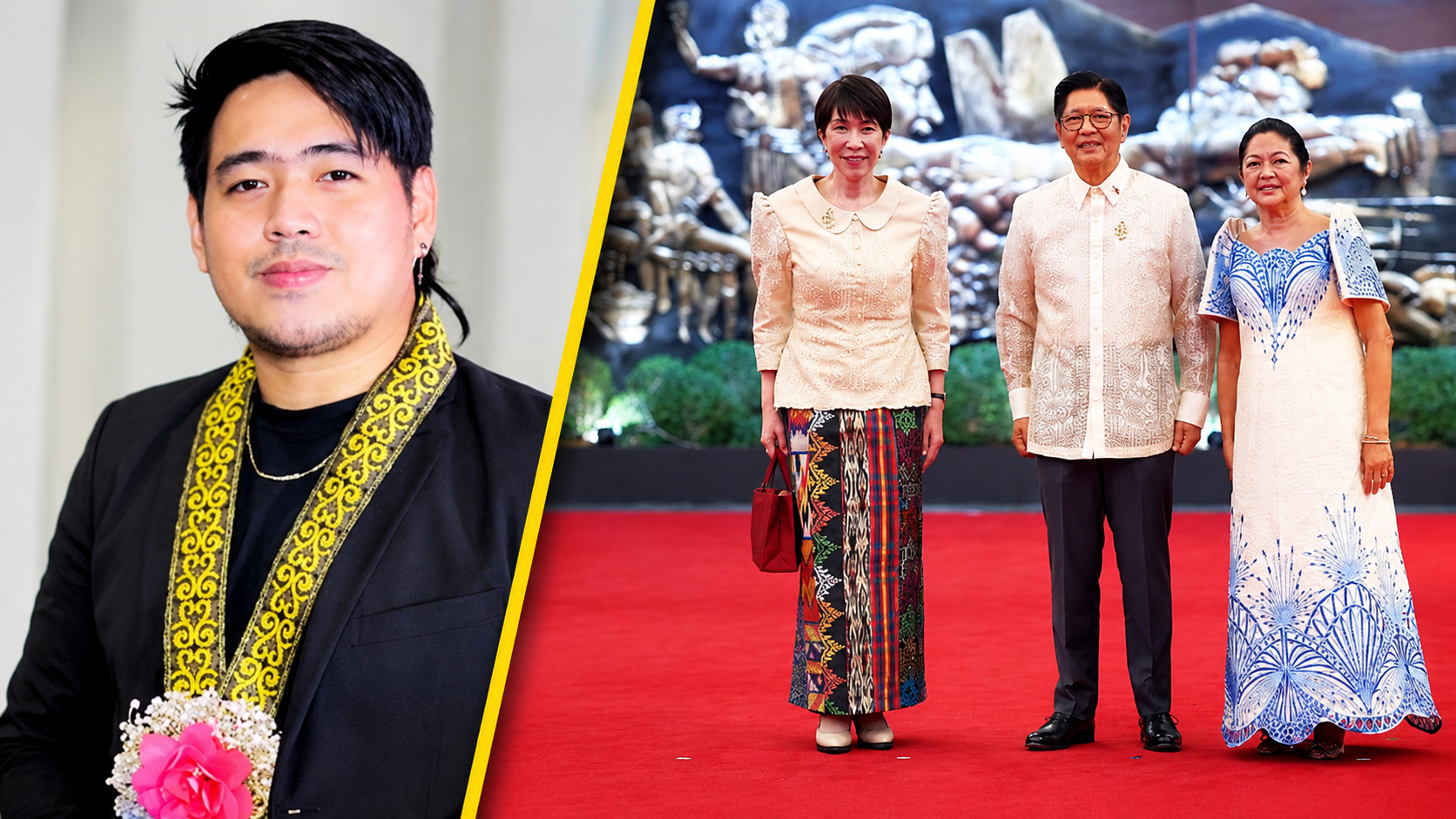
MANILA, Philippines — November 19, 2026. The Sanae Takaichi ASEAN gala outfit has attracted attention after the Japanese prime minister appeared in a custom Filipiniana-inspired ensemble created by Filipino fashion designer Jearson Demavivas of Koronadal City, South Cotabato. Worn during the ASEAN Summit Gala Dinner on November 16, 2026, the outfit featured an ivory embroidered blouse and colorful traditional Mindanao textiles, highlighting Philippine craftsmanship and cultural heritage.
The ensemble, created by Filipino designer Jearson Demavivas, featured an elegant ivory embroidered blouse paired with a colorful skirt incorporating traditional woven textiles from Mindanao.
The outfit highlighted Philippine craftsmanship and cultural heritage while representing the friendship and cultural connections between the Philippines and Japan.
Photos of Takaichi wearing the ensemble circulated on social media, drawing attention to the designer and the traditional weaving communities represented in the clothing.
The occasion provided an international platform for showcasing Filipino fashion and the country’s diverse cultural traditions.
Koronadal Designer Jearson Demavivas Behind Japanese Prime Minister’s Outfit
Jearson Demavivas, a fashion designer from Koronadal City in South Cotabato, created the custom ensemble worn by Japanese Prime Minister Sanae Takaichi during the ASEAN Gala Dinner.
The designer incorporated traditional Filipino elements into the outfit while maintaining a formal and elegant appearance suitable for an international diplomatic gathering.
The upper portion featured an ivory embroidered blouse with delicate patterns, butterfly sleeves, and a scalloped hem.
The blouse was paired with a colorful skirt that incorporated different traditional textiles associated with indigenous and cultural communities in Mindanao.
According to reports from GMA News and the South Cotabato provincial government, the design was intended to celebrate Filipino heritage while reflecting Japanese cultural values.
The outfit demonstrated how traditional Philippine textiles can be incorporated into contemporary formal clothing.
For Demavivas, the occasion also represented an opportunity to showcase the craftsmanship and cultural identity of Mindanao on an international stage.
Six Mindanao Weaving Traditions Featured in the Ensemble
One of the most notable features of the Japanese prime minister’s outfit was its use of textiles representing six weaving traditions from Mindanao.
These included Pis Syabit, Inaul, T’nalak, Gintlo, Landap, and Yakan weaving.
Each textile tradition reflects the cultural identity, history, and artistic practices of communities in the southern Philippines.
Pis Syabit is associated with Tausug weaving traditions, while Inaul is known as a traditional textile of the Maguindanaon people.
T’nalak is closely associated with the T’boli community of South Cotabato and is recognized for its intricate patterns and traditional production techniques.
Landap is connected to Maranao textile traditions, while Yakan weaving is known for its distinctive geometric patterns and colorful designs.
By bringing these weaving traditions together, Demavivas created an ensemble that represented the diversity of Mindanao’s cultural heritage.
The design also demonstrated how traditional fabrics can be presented in modern clothing without losing their cultural significance.
Outfit Inspired by Japanese Concept of Harmony
Demavivas explained that the ensemble drew inspiration from the Japanese concept of Wa, which is associated with harmony.
The concept influenced the overall design, combining traditional Filipino craftsmanship with an appreciation for Japanese cultural values.
The ivory embroidered blouse reflected elegance and refinement, while the colorful woven skirt represented the rich cultural traditions of Mindanao.
Together, the elements were intended to communicate unity, mutual respect, and cultural understanding.
The design also reflected the role of fashion in international diplomacy, where traditional clothing can communicate cultural identity and strengthen connections between countries.
By wearing the Filipino-designed ensemble, Takaichi participated in a cultural presentation that highlighted Philippine craftsmanship during the regional gathering.
Japanese Prime Minister Attends ASEAN Gala Dinner in Manila
The ASEAN Summit Gala Dinner was held on November 16, 2026, at the Philippine International Convention Center in Pasay City.
The event brought together regional leaders and international guests as part of the summit activities hosted by the Philippines.
Japanese Prime Minister Sanae Takaichi attended the gathering wearing the custom ensemble designed by Demavivas.
The gala provided an opportunity for participating leaders to experience Philippine culture through traditional clothing, performances, and other cultural presentations.
Such events form part of diplomatic gatherings, allowing host countries to highlight their traditions and strengthen relationships with visiting delegations.
The Philippines used the occasion to showcase local creativity and the craftsmanship of Filipino designers.
Takaichi’s outfit became one of the notable examples of how Philippine cultural elements were incorporated into the event.
Designer Also Creates Barong Tagalog for Indian Prime Minister
Demavivas’ involvement in the ASEAN-related activities extended beyond the outfit created for Japan’s prime minister.
According to the South Cotabato provincial government, the designer also created a custom Barong Tagalog for Indian Prime Minister Narendra Modi.
The garment featured hand embroidery and a decorative accessory incorporating traditional Mindanao textiles.
The creations demonstrated the designer’s ability to adapt Philippine clothing traditions for international leaders while maintaining cultural authenticity.
Having his work featured on two prominent foreign leaders brought additional attention to the designer’s craftsmanship and the cultural heritage of South Cotabato.
The recognition also highlighted the contributions of regional Filipino designers to major international events.
Mindanao Textiles Gain International Exposure
The appearance of traditional Mindanao textiles at the ASEAN Gala Dinner brought attention to weaving traditions that remain important to many cultural communities in the Philippines.
Traditional weaving is more than a method of producing clothing. It is also a way of preserving community identity, artistic knowledge, and cultural practices passed down through generations.
Many indigenous weaving traditions involve specialized techniques and patterns that carry cultural significance.
The inclusion of these textiles in international fashion can help introduce their craftsmanship to audiences who may be unfamiliar with their origins.
However, cultural recognition also raises important questions about how traditional weaving communities benefit from the use and promotion of their work.
Supporting local artisans, acknowledging the origins of traditional textiles, and encouraging responsible sourcing can contribute to the preservation of these cultural practices.
The ASEAN Gala Dinner demonstrated how traditional Philippine fabrics can be incorporated into formal clothing while highlighting the communities and histories associated with them.
Filipino Fashion Plays a Role in Cultural Diplomacy
Fashion has increasingly become a way for countries to present their cultural identities during international gatherings.
Traditional clothing and locally produced textiles can communicate history, craftsmanship, and national pride without relying entirely on formal speeches or presentations.
For the Philippines, garments such as the Barong Tagalog and Filipiniana remain important symbols of cultural identity.
Contemporary Filipino designers often reinterpret these traditional garments by incorporating modern silhouettes, embroidery, and regional textiles.
The ensemble worn by Japan’s prime minister reflected this approach.
It combined recognizable Filipino design elements with a presentation intended for a visiting international leader.
The event also demonstrated the opportunities available to Filipino designers who specialize in traditional and culturally inspired clothing.
International exposure can encourage greater interest in Philippine fashion, although the long-term economic benefits for individual designers and weaving communities cannot be determined from the event alone.
South Cotabato Designer Receives Recognition for Cultural Work
The attention surrounding Demavivas’ creations has highlighted the creative talent emerging from South Cotabato and other parts of Mindanao.
While Manila remains a major center of the Philippine fashion industry, designers from regional communities continue to contribute distinctive styles and cultural perspectives.
Demavivas’ work demonstrated how local heritage can become part of an international presentation without abandoning its traditional influences.
His designs also placed Mindanao weaving traditions alongside contemporary diplomatic fashion.
The recognition may encourage further interest in regional fashion designers and the preservation of traditional textile craftsmanship.
For communities associated with these weaving traditions, continued attention to their cultural contributions remains important.
ASEAN Gala Outfit Highlights Filipino Creativity and Heritage
The custom outfit worn by Japanese Prime Minister Sanae Takaichi at the ASEAN Gala Dinner became a notable example of Philippine fashion being presented on an international stage.
Created by Koronadal designer Jearson Demavivas, the ensemble brought together traditional Mindanao textiles, Filipiniana-inspired design, and Japanese cultural influences.
The clothing represented more than a formal outfit for a diplomatic occasion. It also served as a presentation of Philippine cultural diversity and the artistic traditions of communities in Mindanao.
The designer’s additional work for Indian Prime Minister Narendra Modi further highlighted his involvement in the summit’s cultural activities.
As photographs of the garments continue to circulate, the story brings attention to the importance of preserving traditional weaving practices and recognizing the contributions of Filipino artisans.
For Demavivas and the cultural communities represented in his designs, the ASEAN Gala Dinner provided a meaningful opportunity to introduce Mindanao’s textile heritage to an international audience.

 Facebook
 Twitter