
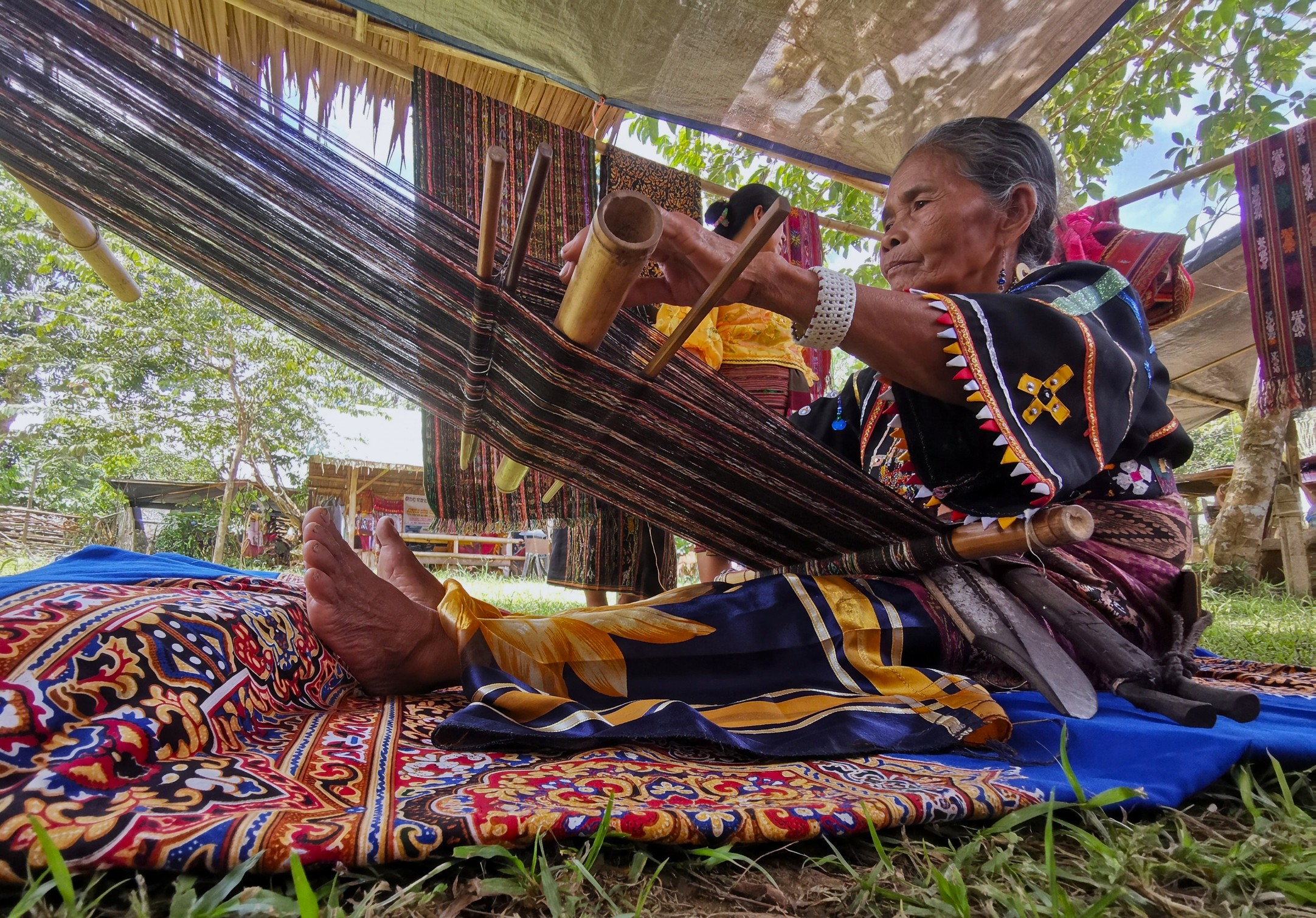
The Mindanao abaca industry is preparing for its next phase following a gathering of Philippine government agencies, Dutch development partners, agribusiness leaders, financial institutions, and upland farming communities on November 25. Held at Sotogrande Hotel, Himaymay 2026: Advancing Sustainable Abaca Communities focused on turning the achievements of the Fiber for the Future (F4F) initiative into lasting improvements for farmers and the wider abaca value chain ahead of the project’s formal conclusion in December.
Rather than treating project closure as a wind-down, stakeholders framed the gathering around a single mandate: turning donor-backed gains into permanent, shared ownership across the Philippine abaca value chain. Hosted by the F4F consortium—Kennemer Foods International (KFI), Woord en Daad, Agronomika Finance Corporation (AFC), the Department of Agrarian Reform (DAR), and the Philippine Fiber Industry Development Authority (PhilFIDA)—the multi-year initiative was funded by the Netherlands Enterprise Agency (RVO) through the Dutch Government’s Sustainable Development Goals Partnership Facility (SDGP).
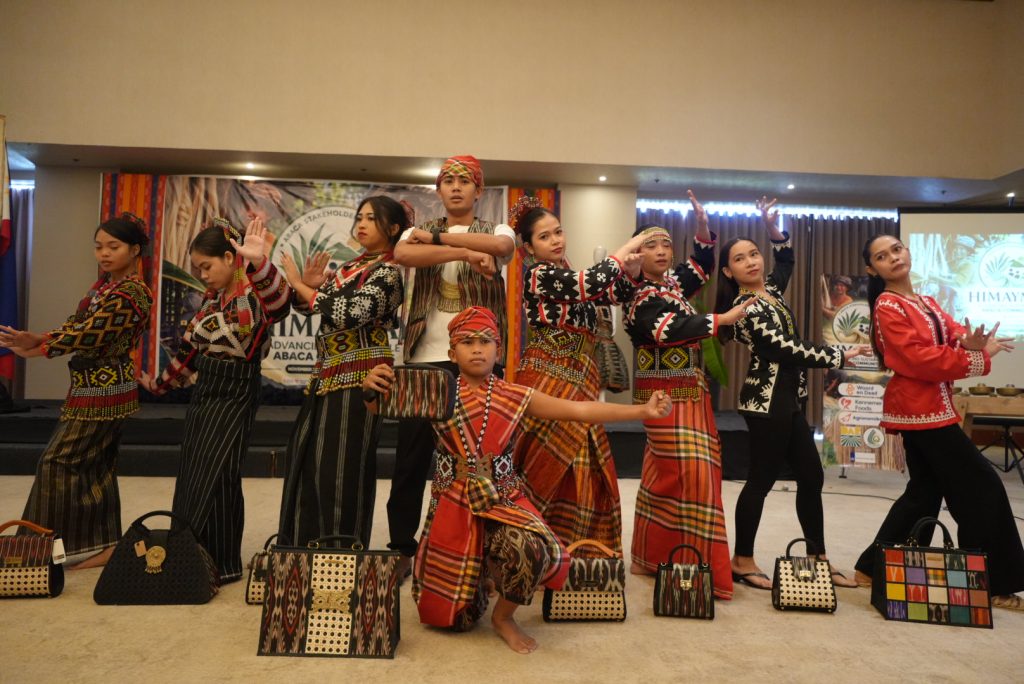
Named after the Filipino term “himaymay,” which refers to fine strands or fibers, the conference symbolized the interconnected contributions of farmers, institutions, and private buyers coming together to build a resilient foundation for abaca-dependent communities.
Six Years of Measurable Gains Across Mindanao
According to project leaders, the forum aimed to consolidate lessons, experiences, and commitments that can serve as the foundation for the next phase of industry development.
Project accomplishments showed significant gains in production, training, and financial inclusion among abaca-growing communities in Mindanao.
Fiber for the Future reached 5,551 smallholder farmers, exceeding its original target of 5,000 growers. The project supported 3,929 hectares of abaca farms and recorded 1,166 metric tons of abaca production in the 2024 buying ledger.
In addition, 3,526 farmers received training on Good Agricultural Practices, conservation agriculture, and farming as a business. Financial inclusion efforts enabled 2,795 farmers to access financial services, with women accounting for 74 percent of beneficiaries. The project also facilitated 726 agricultural loans, including financing for women and youth farmers.
Market development initiatives resulted in six market partnerships, strengthened 25 farmer clusters and cooperatives, and supported employment opportunities in twine production, consolidation, and operations.
From the Uplands: Knowledge as a Lifeline
For upland communities where abaca has anchored family livelihoods for generations, technical guidance has proved just as critical as market access. In the mountain community of Sitio Bulo-bulo in Little Baguio, Malita, Davao Occidental, 53-year-old B’laan farmer Martin Diansing, chairman of the Bulo-bulo MATPAD Farmers Association, tends a 35-hectare abaca farm.
“Abaca is truly our primary source of income, it serves as our bank,” Diansing said in his dialect. He recalled that, before taking part in the project, farmers found it difficult to manage diseases affecting their abaca plantations.
“Before we were also at a loss. We had many shortcomings, particularly when it came to training. There were diseases, and we did not know how to address them in our abaca,” he said.
Through project-supported training in farm management and pest control, growers learned better ways to manage disease outbreaks and improve farm productivity.
Grateful for the intervention, Diansing underscored the need for continued financial support. “Thanks to this project and the training it provided, we are grateful because we now have some guidance on managing our farms, especially our abaca,” he pointed out.
Other growers echoed that lessons from early setbacks—including an initial batch of seedlings that underperformed—ultimately deepened local ownership. Pointing to a newer second batch of planting materials now cultivated and monitored by growers themselves, participants emphasized that upland farmers are not mere beneficiaries, but active partners carrying generations of practical knowledge about the land.
Reimagining a Heritage Crop for Global Markets
Industry leaders at Himaymay 2026 argued that Mindanao’s abaca sector is poised for long-term expansion if stakeholders look beyond traditional commodities.
“Although this marks the end of the program, I view it as the beginning of a new chapter for our abaca industry,” said Simon Baker, CEO of the Kennemer Group. “Historically, abaca has been used for ropes, specialty paper, tea bags, and banknotes—important applications, but ones that will not necessarily drive strong growth in the decades ahead.
“Today, the world is actively seeking natural, renewable alternatives to synthetic materials, and sustainable textiles and bio-based products present a tremendous opportunity for the Philippines,” he added.
Baker stressed that capturing these emerging markets will require sustained collaboration across the sector: “That future will not happen overnight or by itself; we must work together to develop new applications, open new markets, and build the abaca products of tomorrow.”
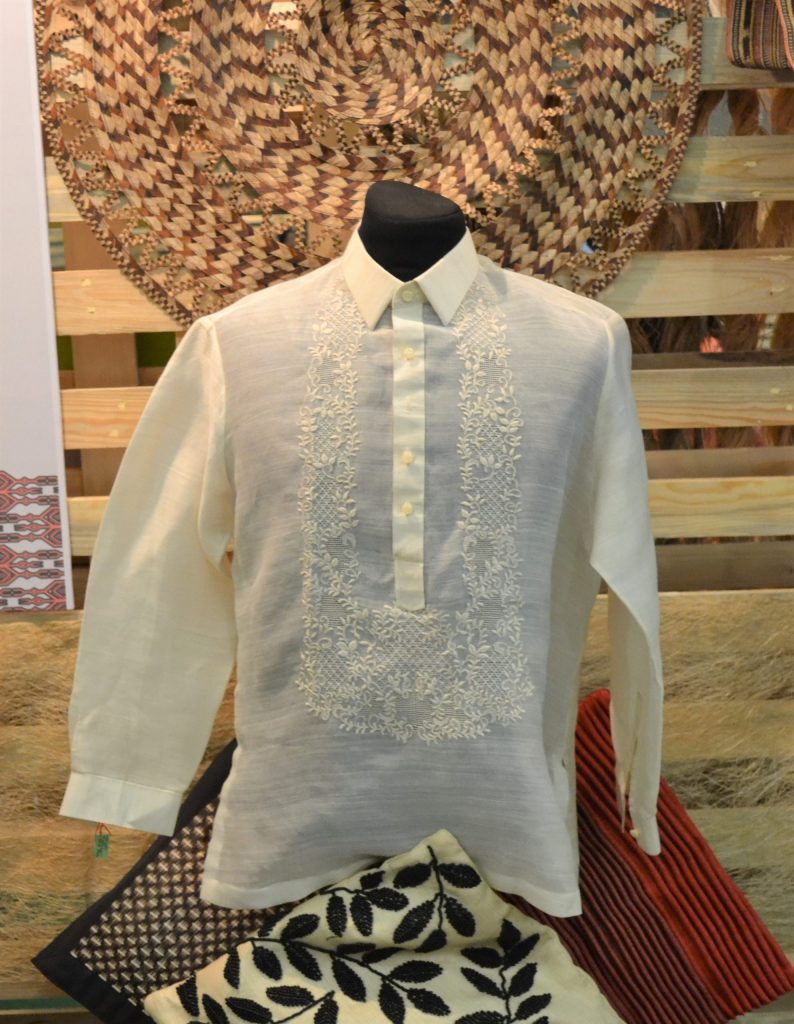
Market sessions during the forum highlighted rising demand in Europe and domestic niches for abaca-based crafts, home décor, and functional goods.
Stakeholders recommended targeted market studies, transparent pricing, ethical trade practices, and authentic storytelling—including thematic positioning around Gender and Development (GAD) and families of persons with disabilities (PWDs).
Meanwhile, the Department of Trade and Industry (DTI) encouraged grower associations to formalize their organizations to qualify for government-backed Shared Service Facilities, ensuring that post-project value addition remains firmly rooted in local communities.
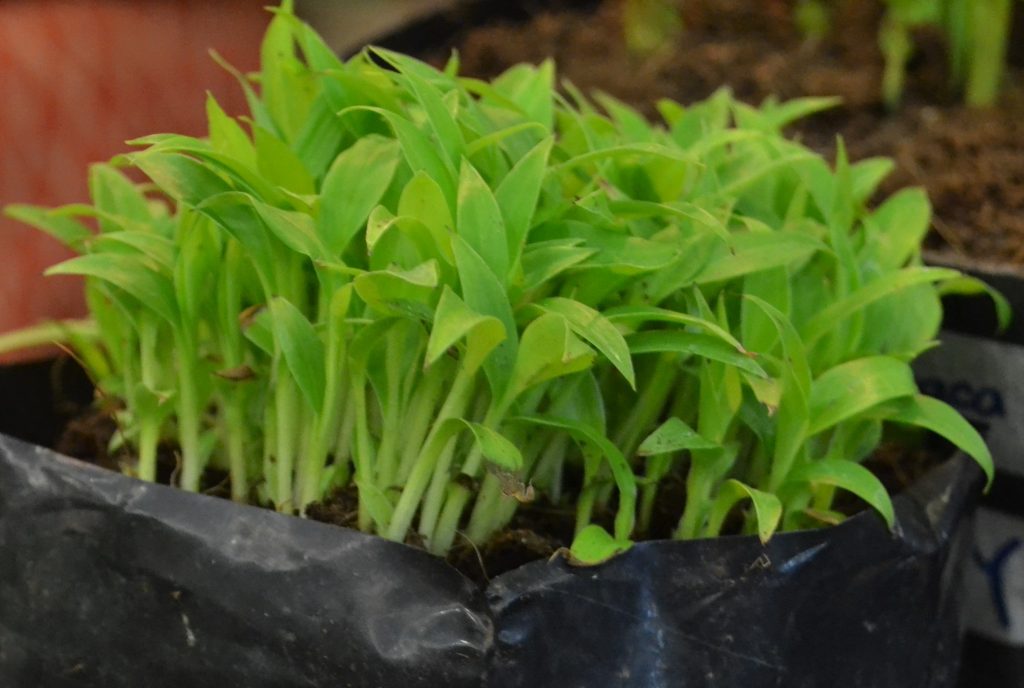
Abaca has been grown in the Philippines for centuries, long before the Spanish occupation. “When Ferdinand Magellan and his companions arrived in Cebu in 1521,” wrote Philippine Fiber Industry Development Authority (PhilFIDA) of abaca’s history, “they noticed that the natives were wearing clothes made from the fiber of the abaca plant, noting further that the weaving of the fiber was already widespread on the island.”
However, it was not until 1685 that abaca was known in the Western world. Then, in 1820, John White, an American naval officer, brought a few abaca fibers for testing to the United States. It proved to have superior tensile strength over any other known cordage, especially under sea water.
“The Japanese also took keen interest in abaca for naval use,” wrote Ernee Lawagan in an article which appeared in the defunct Mod. “They improved the method of production introduced by the Americans and put the abaca industry in the Philippines to a higher level of efficiency.”
It was in the 1920s when the Philippines monopolized the world production of abaca fibers. “During those times, wars were won by countries with superior navies and considering that cordage was vital to naval operation, the Philippine monopoly in abaca production alarmed the Americans,” Lawagan reported.
“In 1921, the U.S. Department of Agriculture decided to cultivate abaca in Central America, particularly in Panama, Costa Rica, Guatemala, and Honduras, using the most outstanding Philippine abaca varieties. Much of these resulted in failure,” Lawagan wrote.
After World War II, Furukawa Yoshizo, one of the prewar abaca plantation owners in Davao, started field-testing and successfully cultivating abaca in Ecuador. Costa Rica followed suit.
In later years, on the onrush of modern technology, abaca was relegated to the background. Lawagan reported: “The advent of oil-based synthetic fibers in the mid-1950s, which rapidly replaced the traditional usage of natural fibers, displaced abaca as prime cordage material and precipitated its almost total collapse. The Philippine abaca industry suffered a slump as prices hit rock-bottom that several farmers eventually phased out their plantations.”
But thanks to the global shortage of many natural resources and the pollution being wrought by synthetic products on the environment, abaca stages a comeback. PhilFIDA reported: “Significant breakthroughs in technology and processes took place in the ‘60s that brought about development of new uses for abaca, particularly in the use of pulp for the production of specialty paper products.”
As demand for abaca for pulp use increased, Filipino investors became interested again in domestically producing abaca pulp. Other investors followed suit with most of them tied-up with foreign companies, which, due to strict anti-pollution laws in their respective countries, transferred their pulp operations in the Philippines.
Although abaca is indigenous to the Philippines, it is now grown in Borneo, Indonesia and Central America, particularly Costa Rica and Ecuador.
According to the UN Food and Agriculture Organization (FAO), the Philippines is by far the world’s largest abaca producer, followed by Ecuador, with Costa Rica ranking third.
As the world’s top abaca supplier, the country ships abaca in several forms, including raw fiber, pulp, cordage, fabrics, yarn, and fiber crafts. According to trade data, Export Genius highlights Japan, the United Kingdom, and Hong Kong among the leading destinations for Philippine abaca shipments.

 Facebook
 Twitter